China has become a practical sourcing base for global bakery manufacturers. Its distributors connect mills, enzyme producers, cocoa processors, and packaging partners with overseas buyers. The opportunity is substantial, but supplier quality varies. It is not only about price.
Grand View Research reported that the global bakery ingredients market was valued at approximately USD 16.9 billion in 2023. Its report also expects continued growth through 2030, supported by clean-label products, frozen bakery, and longer shelf-life technologies. Meanwhile, FAOSTAT data shows wheat remains one of the world’s largest staple crops, creating sustained demand for flour improvers, enzymes, gluten, and dough conditioners. Market estimates differ. Buyers should check each methodology.
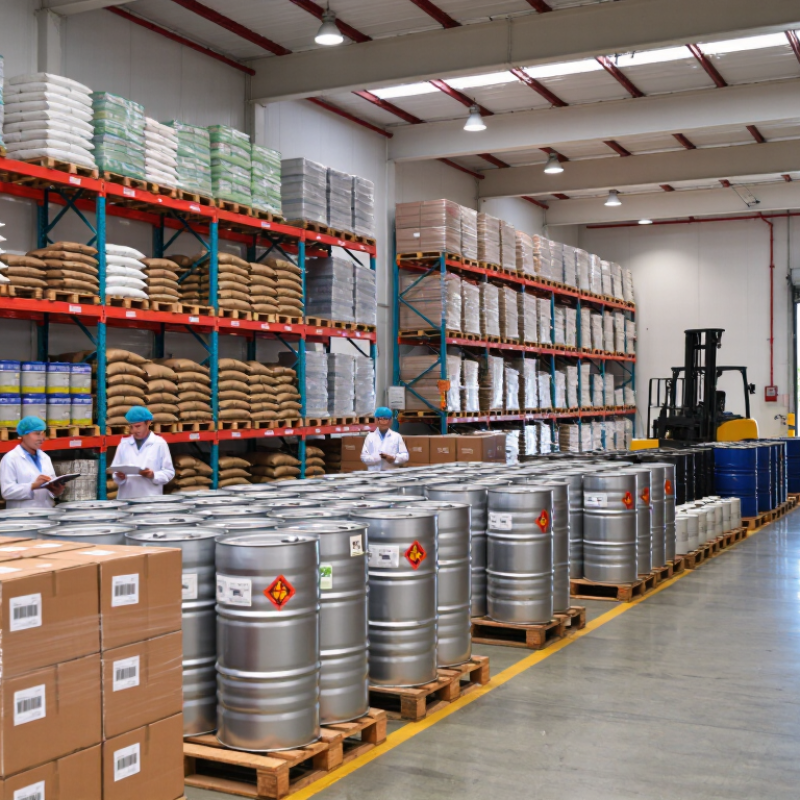
Dr. John Coupland, a former Institute of Food Technologists president and respected food scientist, has said, “Food is the most complex material on earth.” That complexity is visible in a distributor’s warehouse: sealed enzyme drums, cocoa powder pallets, allergen labels, and temperature-sensitive fillings. Effective Bakery food ingredient distribution therefore requires more than a product catalogue. It requires batch traceability, certificates of analysis, export experience, stable lead times, and responsive technical support. Buyers should verify HACCP or FSSC 22000 systems, permitted additive status, microbiological results, and documentation for each destination market. Some suppliers look impressive online. Reality can be less polished. A sample may perform well, while a full container behaves differently. This guide examines China’s leading bakery ingredient distributors for global buyers, with attention to product depth, compliance, quality consistency, logistics, and technical service. The goal is not to promise a perfect supplier. It is to support a more careful decision.
China’s bakery market exceeded RMB 300 billion in 2023, according to iiMedia Research’s 2024 industry analysis, which estimated the market at RMB 300.9 billion. The headline is useful, but not exact. Reports may define “bakery market” differently, combining packaged products, fresh-store sales, and other channels. Buyers should check the scope before using the figure for capacity planning.
Demand is not evenly distributed. Major coastal cities support dense café, bakery, and hotel networks, where buyers often need consistent flour, dairy powders, chocolate ingredients, and ready-to-use fillings. Central kitchens and large manufacturers tend to prioritize stable specifications, bulk packaging, and dependable delivery schedules. Smaller-city retailers may value flexible order sizes and longer shelf life. China’s National Bureau of Statistics reported that online retail sales of food commodities grew 11.2% in 2023; this broader food figure suggests an expanding digital channel, not bakery growth alone. That distinction matters. For global buyers, map suppliers against the product, storage, and delivery needs of each customer segment. A low unit price can still disappoint if a filling separates in transit or a flour blend performs differently between batches.
For global bakery buyers, ingredient selection begins with the product and process, not a broad catalogue. Flour shapes dough strength, color, and water absorption. Protein level and milling consistency matter, but so does performance in the buyer’s own mixer. Request samples and technical specifications, then test them in a representative recipe. A neat specification sheet cannot predict every mixing room.
Yeast affects fermentation speed, dough aroma, and production timing. Buyers should compare fresh, compressed, or dry formats against storage conditions and delivery schedules. Fats influence tenderness, layering, and shelf life; their melting behavior can be especially noticeable in laminated dough. Improvers may support dough handling or volume, but their purpose should be clearly stated. More is not always better. Check dosage guidance and confirm results with a controlled bake test.
Fillings need attention to texture, moisture, and stability during baking. A fruit filling that looks ideal in a pail may behave differently inside a warm pastry. Enzymes can help adjust dough properties, yet small dosage changes may affect the result. Ask distributors for handling instructions, batch documentation, and realistic shelf-life information. One detail is often missed: local humidity can change how ingredients perform after delivery. Test before scaling up.
China Best Bakery Ingredient Distributors for Global Buyers
Distributor Selection: HACCP, ISO 22000, GFSI, and China Customs Verification
Choosing a bakery ingredient distributor in China requires more than checking a product catalog. In practical sourcing work, I examine the distributor’s HACCP plan, supplier approval process, and batch traceability records. Ask for certificates, not only scanned logos. Verify the issuing body, certificate number, covered site, product scope, and expiration date.
ISO 22000 certification can show a structured food safety management system. However, its scope must match the actual warehouse and trading activities. A GFSI-recognized certification adds useful assurance, but it does not replace buyer due diligence. Request recent audit findings, corrective action records, allergen controls, and storage temperature logs. Small details matter. A clean warehouse is only one part of control.
China Customs verification should include the company’s registration information, export qualifications, declared product details, and relevant HS codes. Confirm that invoices, packing lists, certificates of analysis, and labels carry consistent information. Independent laboratory testing may be appropriate for sensitive ingredients. A factory or warehouse video call can reveal handling practices, though an onsite audit is stronger. Certificates are valuable, but they can create false confidence. A document may remain valid while daily discipline weakens. Keep communication records, test samples before approval, and review performance after the first shipment.
Distributor Selection: HACCP, ISO 22000, GFSI, and China Customs Verification
This chart shows key reference milestones for the verification frameworks commonly reviewed when selecting bakery ingredient distributors. HACCP principles were developed in the 1960s, GFSI was established in 2000, ISO 22000 was first published in 2005, and China Customs Decree No. 248 took effect in 2022. Buyers should request current certificates, verify certificate scope and validity, and confirm applicable China Customs registration requirements.
Choosing a Chinese bakery ingredient distributor requires more than checking price lists. A clear supplier scorecard makes comparisons practical. Start with MOQ, measured by cartons, pallets, or production batches. A low MOQ may suit trial orders, but it can increase unit costs.
Record the quoted lead time, not just the promised shipping date. Ask whether it includes production, testing, customs documents, and port handling. Export experience also matters. Review shipment records, destination markets, packaging performance, and responses to delayed containers. Experienced teams usually explain risks before payment. Usually, not always.
COA data deserves careful review. Request a recent certificate linked to the exact production lot. Check moisture, microbiological limits, allergens, additives, and shelf-life dates. Compare the COA with an independent laboratory report when the ingredient affects texture or food safety. A polished document is not proof by itself. I have seen useful suppliers provide incomplete data, then improve after specific questions. That weakness should be recorded, not ignored.
Tips: Give each category a weighted score. For example, assign 30% to COA reliability, 25% to lead time, 25% to export experience, and 20% to MOQ. Keep samples, emails, and test results in one file. Recheck scores after the first shipment. Your spreadsheet may look precise, but real performance can still change.
Working with China-based bakery ingredient distributors requires more than comparing price lists. Start with a written specification: ingredient grade, packaging size, allergen information, shelf-life requirements, and destination conditions. Request samples from the same production lot proposed for supply. Test them in your own recipes, recording dough handling, flavor, color, and baking results. Small differences matter. A sample that performs well may not represent every later batch, so ask how lot consistency is checked.
Before placing a large order, review the supplier’s facility and quality records. A remote audit can examine storage areas, cleaning procedures, batch coding, and temperature logs; an on-site visit may provide clearer evidence. Ask for current product specifications and applicable certificates, then verify details with the issuing body where practical. Do not treat polished documents as proof by themselves. I would also clarify an awkward point early: who pays if test results differ from the agreed specification?
Put product names, tolerances, inspection methods, payment milestones, and remedies in the contract. Confirm shipping terms, packaging protection, and documents needed by the destination market with qualified logistics and compliance professionals. During transit, request shipment updates and retain lot codes, invoices, and test records. Keep a traceability file that links each delivery to its production batch and receiving date. It takes time. Records can still be incomplete, so assign one person to check them when goods arrive.
| Workflow Stage | Buyer Actions | Supplier Evidence or Deliverables | Typical Checks and Records | Indicative Timing | Key Risk Controls |
|---|---|---|---|---|---|
| 1. Supplier screening | Define ingredient specifications, target market, estimated annual volume, packaging needs, and required delivery terms. Verify the supplier’s legal identity and export experience. | Business registration details, product range, manufacturing or distribution scope, food-safety certificates where applicable, and export documentation experience. | Check that certificate scope, issuing body, site, and validity match the product and facility. Confirm whether the supplier is a manufacturer, distributor, or both. | About 1–2 weeks | Use independently verifiable records where possible. Do not treat a certificate as proof that every product or site is covered. |
| 2. Specification review | Provide a written specification covering ingredient identity, grade, composition, allergens, microbiological and chemical limits, packaging, shelf life, and destination-market requirements. | Product specification, ingredient list, allergen statement, nutrition information where required, storage conditions, shelf-life information, and available test reports. | Compare declared values and test methods with the buyer’s specification and applicable import rules. Identify any limits that require agreement before ordering. | About 3–10 business days | Agree on test methods, units, sampling approach, and acceptance criteria before sample approval or production. |
| 3. Samples and evaluation | Request representative samples and assess baking performance under documented recipes and process conditions. Record sensory, functional, and application results. | Sample identification, batch or lot reference, production date where available, storage instructions, and a sample specification or analysis report. | Record sample receipt, condition, test recipe, equipment settings, evaluation date, and approval status. Retain a reference sample when practical. | About 1–3 weeks, depending on transit and testing | Confirm whether the sample is production-equivalent. A sample approval should not replace inspection of the commercial lot. |
| 4. Facility and food-safety audit | Assess the relevant manufacturing or handling site, using a risk-based document review, remote assessment, or on-site audit as appropriate. | Food-safety management information, process flow, hazard controls, sanitation and pest-control procedures, training records, and corrective-action records relevant to the product. | Review hygiene controls, allergen segregation, supplier approval, traceability, recall readiness, complaint handling, and calibration records for relevant equipment. | About 1–4 weeks, depending on audit scope | Record findings by severity, assign corrective actions and due dates, and verify closure before relying on the audit outcome. |
| 5. Contract and purchase order | Settle product specifications, quantity, price, currency, payment terms, delivery schedule, packaging, inspection rights, and agreed Incoterms® rule and named place. | Signed sales contract or accepted purchase order, final specification, packaging artwork approval where applicable, and production or delivery schedule. | Confirm tolerances, shelf-life requirements at dispatch or arrival, claims procedure, document list, governing terms, and responsibility for export and import formalities. | About 3–10 business days | Make the approved specification and sample reference identifiable in the contract or purchase order. Clarify how changes must be approved. |
| 6. Production and pre-shipment checks | Confirm production timing and agreed inspection or testing requirements. Review any material change affecting composition, process, packaging, or origin. | Lot-specific analysis certificate where agreed, packing details, production or lot identification, and inspection results if an inspection was commissioned. | Check product identity, packaging integrity, lot coding, quantities, agreed test results, and remaining shelf life against the contract. | Typically aligned with the production lead time | Define in advance who selects samples, which laboratory or method is acceptable, and how non-conforming lots will be handled. |
| 7. Export documents and shipping | Confirm destination-country import requirements with the importer, customs broker, and relevant authorities before shipment. Arrange cargo insurance where appropriate. | Commercial invoice, packing list, transport document, and any certificates or declarations required for the specific product, origin, and destination. | Match product descriptions, quantities, weights, lot details, consignee information, and country-of-origin statements across documents. | Document preparation commonly takes several business days; transit time depends on route and mode | Document requirements vary by ingredient and destination. Verify current rules before dispatch; do not assume one certificate applies to all shipments. |
| 8. Receiving and traceability | Inspect goods on arrival, record temperature or packaging condition when relevant, reconcile quantities, and place affected goods on hold if checks fail. | Lot-coded shipping documents and product labels that support identification of the shipped ingredient and its production or packing lot. | Record supplier, product, lot number, receipt date, quantity, storage location, and onward use. Test the internal traceability and recall process periodically. | At receipt; traceability checks should be maintained throughout storage and use | Keep records that link incoming lots to finished products or production batches. Follow applicable record-retention and recall requirements. |
Note: Timings are indicative planning ranges, not guaranteed service levels. Import, labeling, food-safety, and documentation requirements depend on the ingredient, shipment, and destination market; confirm them with qualified local authorities or advisers before ordering.
Check protein level, milling consistency, water absorption, and dough strength. Test samples in your own mixer. Paper specifications cannot show every mixing-room surprise.
Compare fermentation speed, aroma, storage needs, and delivery timing. Fresh, compressed, and dry formats behave differently. Plan around your production schedule.
Fats influence tenderness, layering, and shelf life. Their melting behavior is easy to notice in laminated dough. Run a controlled bake test.
Check filling texture, moisture, and baking stability. Enzymes can change dough properties, even at small dosage levels. Ask for handling instructions and batch records.
Review its HACCP plan, supplier approval process, and traceability records. Request certificates and verify their issuing body, scope, site, and expiration date.
ISO 22000 indicates a structured food safety system when the scope matches actual operations. GFSI recognition adds assurance, but it does not replace due diligence.
Request recent audit findings, corrective action records, allergen controls, and storage temperature logs. A tidy warehouse is not enough.
Compare company registration, export qualifications, product details, and relevant HS codes. Invoices, packing lists, analysis certificates, and labels should match.
No. Certificates can create false confidence. Test samples, keep communication records, and review performance after the first shipment.
Humidity can change ingredient performance after delivery. A filling may look right in its container but behave differently inside warm pastry.
China’s bakery market exceeded RMB 300 billion in 2023, creating diverse opportunities for global buyers across retail, foodservice, and industrial production. This overview maps buyer demand and introduces key ingredient categories, including flour, yeast, fats, improvers, fillings, and enzymes. It explains how Bakery food ingredient distribution connects manufacturers with overseas purchasers while emphasizing product consistency, clear specifications, and dependable supply.
To assess distributors, buyers should review relevant food safety certifications, verify export and customs documentation, and compare minimum order quantities, lead times, export experience, and the quality of certificates of analysis. A structured purchasing workflow can help reduce uncertainty: request samples, conduct supplier audits, agree on contracts and quality requirements, coordinate shipping, and maintain traceability records from order to delivery.
