Toll-free: 1 (800) 441-1017 HQ: 9 Lee Blvd, Frazer, PA 19355
3,000+ ingredients · One purchase order · On time, in full

Blog

How to Source Soluble Dietary Corn Fiber?

How to Source Soluble Dietary Corn Fiber?

Soluble dietary corn fiber is moving from a niche ingredient to a practical tool for reducing sugar and increasing fiber. Grand View Research’s 2024 Dietary Fibers Market report estimates continued global growth through 2030. However, market forecasts differ by region, application, and definition. That uncertainty matters when selecting suppliers. The sourcing process should begin with a clear product specification. Confirm fiber content, moisture, sweetness, solubility, viscosity, and tolerance limits. Request a current certificate of analysis for every production lot. It should include microbiological results, heavy metals, pesticide residues, and allergen information. Traceability should reach the corn source and processing facility. Small details matter. A clean, dry powder should flow evenly from the bag, without clumps or an unusual odor. Regulatory review is equally important. The U.S. Food and Drug Administration sets a 28-gram Daily Value for dietary fiber based on a 2,000-calorie diet. EFSA’s scientific opinion also supports approximately 25 grams of fiber daily for healthy adults. These references help teams evaluate nutrition claims, but they do not replace local legal review. Suppliers should explain whether their soluble dietary corn fiber is produced through enzymatic processing, hydrolysis, or another method. Documentation should support the intended food application. Cost alone can mislead. A lower price may reflect weaker testing, inconsistent purity, or limited technical support. Compare delivered cost, yield, functionality, and supply continuity. I would also request pilot samples for beverages, nutrition bars, or baked products. Performance on paper is not always performance in a factory. The best supplier is not necessarily the largest one; it is the one that can prove consistency, transparency, and responsible manufacturing.
Read more »
Ethan By:Ethan - October 21, 2026
What Are the Top 10 Soup Sauce and Dressing Ingredients?

What Are the Top 10 Soup Sauce and Dressing Ingredients?

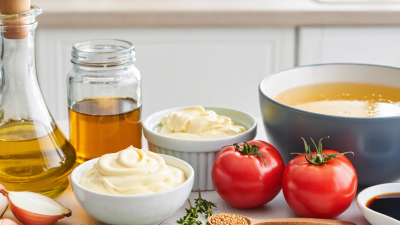
Choosing the top 10 soup, sauce, and dressing ingredients requires more than listing familiar pantry staples. It requires tasting, testing, and understanding how each ingredient behaves. Harold McGee, the respected food science writer, describes cooking as “applied chemistry.” That idea guides this overview of Soups sauces and dressings ingredients. A strong ingredient can build body, sharpen acidity, add aroma, or balance salt. Olive oil may create a smooth dressing, while vinegar brings brightness to heavy soups and creamy sauces. Stock adds depth, but its quality depends on careful preparation and sensible storage. Onions, garlic, herbs, spices, tomatoes, cream, mustard, and soy sauce also deserve close attention. Each one changes texture and flavor in visible ways. A spoonful of mustard can hold an emulsion together. A roasted onion can turn a thin broth into something warmer and rounder. Flavor is personal. No list is final. Regional cooking traditions, dietary needs, and ingredient availability can change the ranking. I may also overlook an excellent local product. That limitation matters, because reliable food guidance should remain open to correction. The selections in this article focus on versatility, culinary performance, accessibility, and practical value. They also consider how ingredients work in real kitchens, where measurements vary and mistakes happen. Small details matter, such as adding acid gradually or whisking oil slowly. These choices can separate a dull dressing from a balanced one. Readers will find useful comparisons, realistic applications, and a few cautions about freshness, allergens, and excessive salt.
Read more »
Charlotte By:Charlotte - October 16, 2026
How to Choose Savory Ingredients for Prepared Meals?

How to Choose Savory Ingredients for Prepared Meals?

Choosing the right Prepared meal savory ingredients is less about adding more flavor. It is about building flavor that survives cooking, chilling, storage, and reheating. A roasted chicken meal may smell inviting in the test kitchen, yet taste flat after three days. That gap matters. Dr. Kantha Shelke, a food scientist and food-industry consultant, has said, “Food is more than nutrition; it is culture, comfort, and connection.” Her view reminds developers to consider the complete eating experience. Salt, herbs, onions, garlic, mushrooms, stocks, and fermented seasonings should support that experience. They must also meet safety, nutrition, cost, and label requirements. This guide examines how to select savory ingredients for prepared meals. It considers flavor strength, texture, heat stability, moisture migration, and consumer expectations. A roasted garlic paste may deliver warmth, while dried herbs can provide a cleaner label and longer shelf life. Neither choice is automatically better. The process also needs practical testing. Compare samples after reheating, not only when freshly prepared. Check the first aroma, the middle bite, and the aftertaste. Record small differences. They often become large problems at scale. There is no perfect formula. I may prefer deeper umami, while another customer wants a lighter profile. Regional preferences complicate the decision further. Reliable selection therefore combines sensory experience, technical knowledge, supplier verification, and honest review. The best Prepared meal savory ingredients create familiar flavor without hiding poor formulation.
Read more »
Olivia By:Olivia - October 11, 2026
How to Find Confectionery Ingredient Wholesale Suppliers?

How to Find Confectionery Ingredient Wholesale Suppliers?

Finding a dependable Confectionery ingredient wholesale supplier is not simply a price comparison exercise. It is a quality decision with direct effects on texture, flavor, shelf life, and customer trust. A lower quotation may look attractive, yet inconsistent cocoa powder or unstable emulsifiers can create costly production problems. Angus Kennedy, a confectionery industry consultant and editor, has offered a practical warning: “The best supplier is not always the cheapest; it is the one who helps you make consistent product.” That principle deserves attention. A serious supplier should provide clear specifications, batch information, allergen declarations, and realistic delivery schedules. Ask for samples, then test them in your actual recipes. A glossy product sheet proves very little. Look closely at the details. Does the supplier explain storage temperatures? Can they maintain the same color across batches? Do they respond clearly when questions become technical? These small moments often reveal more than a polished sales presentation. The search should also include supplier audits, certifications, traceability systems, and communication standards. Regional availability matters, especially when temperature-sensitive ingredients travel long distances. However, certification alone cannot replace practical verification. That is an uncomfortable truth. You may choose the wrong supplier once. It happens. The important step is learning from missed details, weak documentation, or delayed samples. This guide explains how to compare Confectionery ingredient wholesale suppliers, verify their claims, and build a sourcing relationship that supports dependable confectionery production.
Read more »
Ethan By:Ethan - October 6, 2026
How to Choose Raw Materials for Beverage Applications?

How to Choose Raw Materials for Beverage Applications?

Choosing the right ingredients can determine whether a beverage succeeds on the production line and in the consumer’s glass. Beverage application raw materials must support flavor, texture, stability, safety, and consistent processing. A bright fruit concentrate may taste excellent in a laboratory sample but lose its color after pasteurization. A sweetener may reduce costs yet create an unwanted aftertaste. These details matter. Experienced beverage developers usually assess each ingredient beyond its specification sheet. They review certificates of analysis, allergen statements, origin records, microbiological results, and batch-to-batch consistency. Supplier audits can reveal storage weaknesses that documents may not show. A reliable partner should explain how materials are handled, tested, packed, and transported. Traceability is essential when a problem appears in a finished bottle. Application testing should mirror real manufacturing conditions. Test the raw material in the intended formula, then examine it after heating, filling, and storage. Observe sediment, haze, color fading, viscosity changes, and flavor loss. Short tests help, but they do not predict every shelf-life issue. No checklist is flawless. Even experienced teams can overlook interactions between acids, minerals, flavors, and packaging materials. Cost remains important, but the cheapest option may increase waste, rework, or customer complaints. A practical decision compares total value, not only purchase price. Teams should also confirm that ingredients meet applicable food safety and labeling requirements in target markets. Careful selection requires technical evidence, supplier transparency, and honest review of uncertainty. That approach creates beverages that are safer, more stable, and easier to scale.
Read more »
Ethan By:Ethan - October 1, 2026
China Best Bakery Ingredient Distributors for Global Buyers

China Best Bakery Ingredient Distributors for Global Buyers

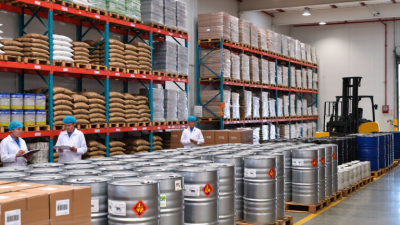
China has become a practical sourcing base for global bakery manufacturers. Its distributors connect mills, enzyme producers, cocoa processors, and packaging partners with overseas buyers. The opportunity is substantial, but supplier quality varies. It is not only about price. Grand View Research reported that the global bakery ingredients market was valued at approximately USD 16.9 billion in 2023. Its report also expects continued growth through 2030, supported by clean-label products, frozen bakery, and longer shelf-life technologies. Meanwhile, FAOSTAT data shows wheat remains one of the world’s largest staple crops, creating sustained demand for flour improvers, enzymes, gluten, and dough conditioners. Market estimates differ. Buyers should check each methodology. Dr. John Coupland, a former Institute of Food Technologists president and respected food scientist, has said, “Food is the most complex material on earth.” That complexity is visible in a distributor’s warehouse: sealed enzyme drums, cocoa powder pallets, allergen labels, and temperature-sensitive fillings. Effective Bakery food ingredient distribution therefore requires more than a product catalogue. It requires batch traceability, certificates of analysis, export experience, stable lead times, and responsive technical support. Buyers should verify HACCP or FSSC 22000 systems, permitted additive status, microbiological results, and documentation for each destination market. Some suppliers look impressive online. Reality can be less polished. A sample may perform well, while a full container behaves differently. This guide examines China’s leading bakery ingredient distributors for global buyers, with attention to product depth, compliance, quality consistency, logistics, and technical service. The goal is not to promise a perfect supplier. It is to support a more careful decision.
Read more »

Olivia By:Olivia - September 28, 2026
How to Choose Fish Processing Ingredient Solutions?

How to Choose Fish Processing Ingredient Solutions?

Choosing Fish processing ingredient solutions is not simply a purchasing decision. It affects texture, flavor, yield, shelf life, labeling, and customer trust. A reliable choice begins with the fish species, product format, processing conditions, and target market. A frozen cod fillet may need moisture control during thawing. A smoked salmon product may require a different approach to salt balance, color stability, and surface protection. Ingredients should perform under real factory conditions, not only in a laboratory sample. Review technical data, dosage guidance, allergen statements, origin information, and storage requirements. Ask suppliers for batch traceability and independent quality documentation where appropriate. Small details matter. No formula fits every plant. That assumption can fail. Processing water, equipment, temperature, and operator experience may change the final result. Trial production is essential. Measure cooking loss, drip loss, texture, appearance, and sensory acceptance before scaling up. Record results carefully, including failures. They often reveal hidden weaknesses. Food safety and legal compliance must guide every decision. Confirm that each ingredient is permitted in the intended market and product category. Check applicable limits, labeling rules, and customer standards with qualified regulatory professionals. A technically effective ingredient may still be unsuitable if its declaration is unclear or its supply is inconsistent. The strongest supplier relationship includes practical communication. Discuss seasonal raw material variation, emergency support, and reformulation options. Cost matters, but the cheapest ingredient may increase waste or complaints. Choose solutions that protect product quality, operational stability, and consumer confidence over time.
Read more »
Ethan By:Ethan - September 28, 2026
Why Are Meat and Poultry Processing Ingredients Used?

Why Are Meat and Poultry Processing Ingredients Used?

Meat and poultry processing ingredients help turn fresh cuts into products that are consistent, practical, and appealing. Their roles vary: salt can season and support moisture retention, while starches may improve binding in sausages or formed products. Some ingredients slow oxidation, helping limit changes in flavor and color during storage. Others support texture, from a firm deli slice to a juicy chicken patty. Small amounts can make a visible difference. A well-mixed sausage holds together when sliced; an uneven blend may crumble or feel overly salty. But ingredients do not replace sound handling, accurate processing, or careful temperature control. They work as part of a larger system. That distinction matters. This guide explores why processors use these ingredients, how common categories function, and what can affect their performance. It also considers product quality, consumer expectations, and clear labeling. Ingredient choices depend on the recipe, equipment, and intended use, so one solution rarely fits every product. Requirements also vary by market, and manufacturers should verify current rules and technical guidance before changing a formulation. The picture is not always simple. Some functions overlap, and a useful ingredient may bring trade-offs in taste, texture, or cost. Understanding those details helps readers assess claims without assuming that every additive is necessary—or that every unfamiliar name signals a problem.
Read more »
Olivia By:Olivia - September 28, 2026