Choosing the right Prepared meal savory ingredients is less about adding more flavor. It is about building flavor that survives cooking, chilling, storage, and reheating. A roasted chicken meal may smell inviting in the test kitchen, yet taste flat after three days. That gap matters.
Dr. Kantha Shelke, a food scientist and food-industry consultant, has said, “Food is more than nutrition; it is culture, comfort, and connection.” Her view reminds developers to consider the complete eating experience. Salt, herbs, onions, garlic, mushrooms, stocks, and fermented seasonings should support that experience. They must also meet safety, nutrition, cost, and label requirements.
This guide examines how to select savory ingredients for prepared meals. It considers flavor strength, texture, heat stability, moisture migration, and consumer expectations. A roasted garlic paste may deliver warmth, while dried herbs can provide a cleaner label and longer shelf life. Neither choice is automatically better.
The process also needs practical testing. Compare samples after reheating, not only when freshly prepared. Check the first aroma, the middle bite, and the aftertaste. Record small differences. They often become large problems at scale.
There is no perfect formula. I may prefer deeper umami, while another customer wants a lighter profile. Regional preferences complicate the decision further. Reliable selection therefore combines sensory experience, technical knowledge, supplier verification, and honest review. The best Prepared meal savory ingredients create familiar flavor without hiding poor formulation.
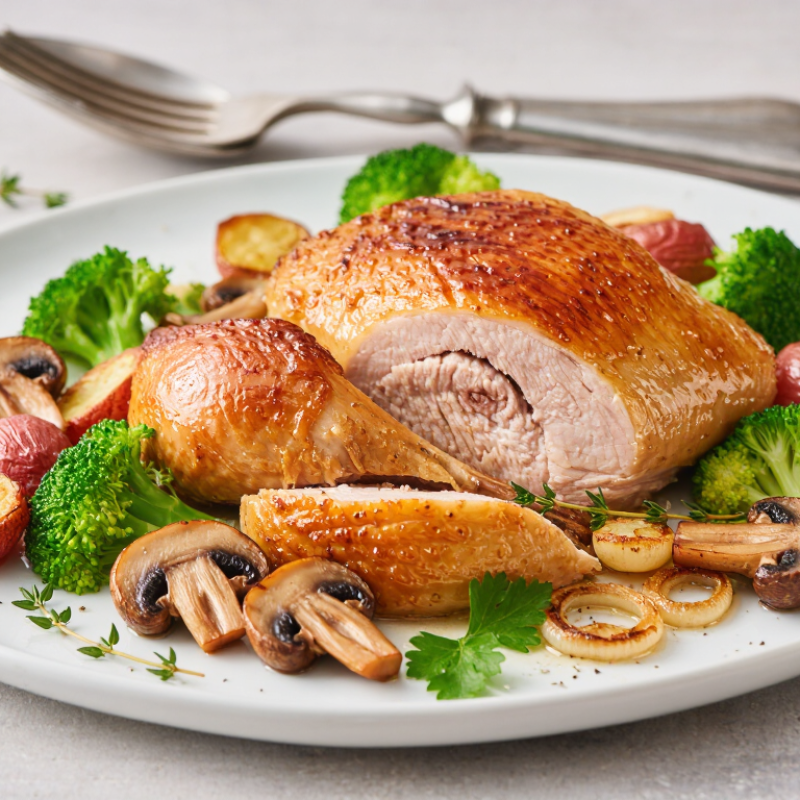
Savory ingredients give prepared meals their main identity. They create depth, aroma, color, and a satisfying finish. Salt may sharpen flavors, but it cannot replace roasted vegetables, mushrooms, herbs, legumes, or carefully cooked meat. Each ingredient should support the meal’s purpose, not simply make it taste stronger.
In kitchen testing, I judge savory ingredients by three roles: foundation, balance, and texture. A slow-cooked onion base can soften acidity and add gentle sweetness. Mushrooms can provide a meaty texture and natural umami. Beans may improve body while adding plant-based protein. Garlic, pepper, and herbs should remain noticeable without overwhelming the central ingredient. Small details matter. A dull rice dish can change with toasted spices and fresh parsley.
Prepared meals also require reliable performance after chilling and reheating. Some herbs lose their brightness, while fried toppings become soft. Ingredients must tolerate storage without creating an unpleasant smell or watery sauce. I check flavor after reheating, not only when the food is fresh. That judgment is not always perfect. A sauce that tastes balanced on day one may seem too salty later. I now measure seasoning carefully and test smaller batches before wider production. Clean handling, suitable storage temperatures, and clear ingredient information also protect meal quality and consumer trust. Savory ingredients should make the meal memorable, but their role remains practical: they must taste good, hold their texture, and work safely in real daily routines.
Choosing savory ingredients starts with flavor, but flavor should remain balanced after reheating.
In my meal testing, roasted onions, mushrooms, and carrots create deeper notes than raw vegetables. Fresh herbs can brighten a dish, while garlic and black pepper add warmth without excessive sodium. Taste the sauce before adding more salt. It is easy to overcorrect. Texture also matters. Combine tender grains with firm vegetables or crisp seeds packed separately. Soft ingredients may become watery after refrigeration. I once paired delicate zucchini with a thin sauce, and the meal lost its structure by day three. That mistake changed my preparation method.
Nutrition and dietary requirements need equal attention.
Choose ingredients that provide protein, fiber, vitamins, and satisfying texture. Beans, lentils, eggs, poultry, tofu, and fish can support protein goals when portions are planned carefully. Whole grains and colorful vegetables add fiber and useful micronutrients. Check nutrition labels for sodium, saturated fat, and added sugar, especially in sauces and broths. Dietary needs should be specific, not assumed. Confirm whether a meal must avoid gluten, dairy, eggs, nuts, or other allergens. Prevent cross-contact by using clean tools and separate storage areas. A registered dietitian can review menus for medical diets. Still, professional advice does not replace careful tasting. Ingredients behave differently across kitchens, seasons, and storage times. Record what changes after reheating, then adjust the recipe honestly.
Meal type should guide flavor strength, texture, and moisture. Soups need sturdy vegetables, legumes, and herbs that survive simmering. Grain bowls benefit from roasted mushrooms, cooked grains, and crisp toppings packed separately. Casseroles need ingredients with controlled water release, such as sautéed spinach instead of raw leaves. The 2024 IFIC Food & Health Survey identified food safety and healthfulness as major food-choice concerns. That makes balanced seasoning important, not merely attractive presentation. Taste the meal after reheating. It may need more acidity than expected.
Cooking method changes ingredient performance. Roasting concentrates sugars and creates firmer edges, while braising softens fibrous vegetables. Stir-frying suits quick-cooking vegetables, lean proteins, and sauces added near service. USDA FSIS guidance sets safe minimum internal temperatures at 165°F for poultry, 160°F for ground meats, and 145°F for whole cuts with a rest period. Use a calibrated thermometer. Guessing is not a method. I sometimes over-season before chilling, then regret it when the flavors intensify overnight.
Storage needs should shape the recipe before cooking begins. FDA Food Code 2022 recommends cooling cooked food from 135°F to 70°F within two hours, then to 41°F within four more hours. Shallow containers help achieve that target. Keep crunchy garnishes, fresh herbs, and delicate sauces separate. Freeze meals with stable ingredients, but test potatoes and high-water vegetables carefully; their textures can become disappointingly soft. Label portions with preparation dates, allergens, and reheating instructions. Clear labels reduce avoidable mistakes.
Prepared meals taste better when each ingredient has a clear purpose. In my meal-prep testing, I begin with a mild seasoning base. Garlic, black pepper, onion, or smoked paprika can build depth without hiding natural flavors. Salt needs restraint because sauces often add more later. I still occasionally over-salt a batch, especially when using packaged broth. That mistake taught me to season in stages.
Choose proteins that stay tender after reheating, such as roasted chicken, beans, eggs, or firm tofu. Add colorful vegetables with different textures. Carrots bring sweetness, while green beans provide a crisp contrast. Grains should support the meal, not dominate it. Brown rice, quinoa, and barley absorb sauces well, but they can become dry. A spoonful of broth can help. Sauces should add moisture and character. Try a yogurt-based dressing, herb sauce, or lightly spiced tomato mixture. Keep some sauce separate when possible.
Tips: Taste the meal warm and after cooling. The flavor may change. Use one rich element, not three. Cut vegetables evenly for consistent cooking. Store crunchy toppings separately. Write down your measurements, even when the result feels imperfect. That record makes the next batch more reliable.
How to Choose Savory Ingredients for Prepared Meals?
Quality should be judged after cooking, not only at delivery. A firm mushroom can become watery after freezing. A lean meat cut may lose more weight during reheating. In production trials, I measure cooked yield, flavor retention, texture, and trim loss. USDA ERS estimates that 30% to 40% of the United States food supply is lost or wasted. Better yield can reduce both cost and waste. Record supplier consistency, lot variation, and defect rates. Cheap ingredients are not always economical.
Cost requires more than the purchase price. Calculate usable yield, labor, seasoning, packaging, storage, and disposal. A higher-priced ingredient may need less trimming and protect portion control. Shelf life also changes the calculation. Check water activity, acidity, oxygen exposure, and packaging performance. The Institute of Food Technologists identifies these factors as key controls for food stability. Test the meal at the final storage temperature. Do not rely on a supplier’s printed date alone.
Food safety comes before convenience. The FDA Food Code recommends holding cold foods at 41°F or below and hot foods at 135°F or above. During cooling, food should move from 135°F to 70°F within two hours, then reach 41°F within four more hours. Use calibrated thermometers and documented batch checks. Keep raw proteins separate from ready-to-eat vegetables. A small temperature gap can become a serious risk. My own process is not perfect; rushed checks still happen. That weakness deserves correction, not excuses.
| Ingredient Category | Ingredient | Quality Indicators | Typical Cost Range (USD/kg) |
Typical Unopened Shelf Life | Prepared-Meal Suitability | Key Food-Safety Controls | Overall Selection Rating |
|---|---|---|---|---|---|---|---|
| Protein | Chicken Breast | Uniform pink color, mild odor, firm texture, intact packaging, and minimal purge. | $4–$10 | 1–2 days refrigerated; up to 9 months frozen | Works well in baked, grilled, shredded, and sauced meals; lean texture may dry out during reheating. | Keep at or below 4°C; cook to an internal temperature of 74°C; prevent contact with ready-to-eat foods. | Very Good |
| Protein | Ground Beef | Fresh red exterior, no sour odor, firm texture, and low excess liquid. | $7–$15 | 1–2 days refrigerated; 3–4 months frozen for best quality | Suitable for meatballs, pasta sauces, rice bowls, and casseroles; provides strong flavor and moisture. | Cook to 71°C; use separate equipment for raw meat; rapidly chill prepared meals after cooking. | Very Good |
| Protein | Firm Tofu | Intact package, pale cream color, firm structure, and no sour or sulfur-like off-odor. | $2–$6 | Several months unopened when shelf-stable; about 3–5 days after opening refrigerated | Suitable for stir-fries, curries, grain bowls, and baked dishes; absorbs marinades effectively. | Refrigerate after opening; use clean utensils; maintain cold-chain control for refrigerated products. | Excellent |
| Protein | Cooked Lentils | Evenly cooked, intact but tender, clean earthy aroma, and limited free liquid. | $2–$5 | 2–3 years dried; 3–5 days cooked and refrigerated | Cost-effective for curries, soups, stews, and vegetarian grain bowls; retains texture during reheating. | Cook thoroughly; cool in shallow containers; refrigerate within 2 hours and maintain at or below 4°C. | Excellent |
| Vegetable | Carrots | Firm, smooth, brightly colored, and free from soft spots, mold, or excessive shriveling. | $1–$3 | 2–4 weeks refrigerated under suitable humidity | Highly suitable for roasting, soups, stews, and mixed vegetable dishes; holds texture well. | Wash before cutting; avoid cross-contamination; refrigerate cut carrots in clean, covered containers. | Excellent |
| Vegetable | Broccoli | Dark green florets, firm stalks, compact heads, and no yellowing or slimy surfaces. | $2–$5 | 3–5 days refrigerated for best quality | Good for steaming, roasting, stir-fries, and pasta meals; may soften after extended storage. | Wash under running water; keep refrigerated; avoid prolonged holding at room temperature after cooking. | Good |
| Vegetable | Frozen Green Beans | Bright green color, loose pieces, minimal ice buildup, and no evidence of thawing and refreezing. | $2–$5 | 8–12 months frozen for best quality | Convenient for casseroles, stews, rice dishes, and side portions; consistent year-round availability. | Keep at −18°C or below; do not refreeze after complete thawing; cook according to the meal process. | Excellent |
| Grain | Brown Rice | Clean, dry grains with no insect activity, musty odor, moisture damage, or discoloration. | $2–$5 | 6–12 months at room temperature; longer when stored cool and airtight | Suitable for bowls, pilafs, stuffed vegetables, and complete meals; provides a firm reheated texture. | Cook thoroughly; cool quickly in shallow containers; refrigerate cooked rice within 2 hours. | Very Good |
| Grain | Quinoa | Dry, clean seeds with no rancid odor, moisture, insects, or excessive broken particles. | $4–$9 | 2–3 years dry when stored in a cool, dry place | Useful in salads, bowls, stuffed vegetables, and vegetarian patties; reheats better than many soft grains. | Rinse before cooking when appropriate; cool cooked quinoa promptly; store refrigerated in sealed containers. | Very Good |
| Sauce Base | Crushed Tomatoes | Uniform color, fresh tomato aroma, intact container, and no bulging, leakage, or abnormal foaming. | $1–$4 | 12–24 months unopened; 3–5 days refrigerated after opening | Excellent for pasta, stews, braised proteins, and vegetable sauces; adds moisture and flavor stability. | Reject swollen or leaking containers; refrigerate after opening; use clean utensils and heat thoroughly. | Excellent |
| Flavoring | Dried Garlic | Strong characteristic aroma, dry texture, consistent granulation, and no clumping or visible mold. | $8–$20 | 1–2 years for best flavor when sealed and stored dry | Efficient for seasoning large batches, marinades, sauces, soups, and spice blends. | Store in a dry, clean area; protect from moisture; use sanitized measuring equipment in production. | Excellent |
| Flavoring | Low-Sodium Soy Sauce | Intact sealed bottle, clear dark-brown color, characteristic aroma, and no unusual sediment or gas buildup. | $2–$8 per liter | 18–24 months unopened; quality is best when refrigerated after opening | Useful in marinades, stir-fries, gravies, and umami-rich sauces; helps reduce the need for additional salt. | Check allergen labeling for soy and wheat; use clean dispensing equipment; follow opening-date controls. | Very Good |
| Fat | Olive Oil | Fresh, clean aroma; no rancid or paint-like odor; sealed, light-protective packaging is preferred. | $6–$18 per liter | 12–24 months unopened; best used within several months after opening | Suitable for roasting, dressings, marinades, and finishing; improves flavor and helps prevent lean foods from drying. | Store tightly closed away from heat and light; discard if rancid; prevent water contamination. | Very Good |
| Cost ranges are indicative retail-level estimates and vary by region, season, cut, processing method, and purchasing volume. Shelf-life values describe typical best-quality periods; always follow the product label, validated processing procedures, and applicable food-safety regulations. | |||||||
They provide identity, aroma, color, depth, and a satisfying finish. Salt alone cannot create these qualities.
Begin with mild seasonings, such as garlic, onion, pepper, or smoked paprika. Add salt in stages. Sauces and broth may already contain salt.
Roasted chicken, beans, eggs, and firm tofu can remain tender after reheating. Test each protein after chilling, not only when freshly cooked.
Use vegetables with different colors and textures. Carrots add gentle sweetness, while green beans create a firmer bite. Cut pieces evenly for consistent cooking.
Grains should support the main ingredients instead of dominating them. Rice, quinoa, and barley absorb sauce well but may become dry. A small spoonful of broth can help.
Sauces add moisture and character to grains, vegetables, and proteins. Yogurt-based dressings, herb sauces, and lightly spiced tomato mixtures are useful options. Keep some sauce separate when possible.
Store crunchy toppings separately because they often become soft. Check whether sauces turn watery or develop an unpleasant smell. Fresh herbs may lose brightness.
Flavor can change after cooling and reheating. A balanced sauce may seem too salty later. I still over-salt some batches. Smaller tests help.
Choosing the right Prepared meal savory ingredients is essential for creating meals that are flavorful, nutritious, convenient, and suitable for different consumers. Start by defining the role each ingredient will play, such as adding protein, richness, texture, color, or seasoning. Evaluate flavor compatibility, mouthfeel, nutritional value, and dietary requirements, including preferences for lower sodium, vegetarian options, or allergen awareness. Ingredients should also match the meal type, cooking method, and expected storage conditions.
A well-balanced prepared meal combines appropriate amounts of seasonings, proteins, vegetables, grains, and sauces without allowing one element to overpower the others. Consider how ingredients change during cooking, cooling, reheating, and refrigerated storage. Finally, assess freshness, consistency, cost, shelf life, packaging suitability, and food safety. Careful selection and testing can help maintain quality from production through consumption while delivering satisfying meals that meet practical, nutritional, and culinary expectations.