
Navigating Industrial Food Starches and Maltodextrin: Formulation Functionality, Global Sourcing Strategy, and Market Evolution
In the modern food and beverage manufacturing ecosystem, carbohydrates serve as much more than calorie providers—they are the foundational architects of viscosity, mouthfeel, thermal stability, shelf-life extension, and encapsulation efficiency.
1. The Molecular & Functional Classification of Industrial Starches and Maltodextrin
Global food manufacturing demands extreme precision when selecting hydrocolloids and thickeners. Choosing between native starches, physically modified starches, chemically modified starches, and hydrolyzed maltodextrins requires a granular understanding of polymer structure, retrogradation kinetics, gelatinization temperatures, and shear tolerance.
A. Native Food Starches: Botanical Sources & Structural Dynamics
Native starches are extracted in their natural granular form from various botanical origins, including dent corn, waxy corn, tapioca, potato, wheat, and rice. The functional performance of a native starch is heavily governed by its amylose-to-amylopectin ratio:
- Dent Corn Starch (~25% Amylose, 75% Amylopectin): Forms firm, opaque gels upon cooling due to amylose association (retrogradation). Ideal for bakery fillings, confectioneries, and dry mix puddings where structural set is required.
- Waxy Maize Starch (>99% Amylopectin): High molecular weight branched polymers prevent gelation, resulting in clear, cohesive pastes with superior freeze-thaw stability compared to native dent corn.
- Tapioca Starch (~17% Amylose): Features a low gelatinization temperature (60°C–65°C), high peak viscosity, and a bland flavor profile that does not mask delicate flavor notes in dairy products or fruit sauces.
- Potato Starch (~20% Amylose): Contains naturally bound phosphate groups, providing high water-binding capacity, extreme peak viscosity, and high clarity, making it indispensable in processed meats and noodle manufacturing.
B. Modified Food Starches: Engineered for Extreme Processing Stress
Native starches suffer from structural instability under high shear, thermal processing (retort/UHT/HTST), and acid shock. Industrial modification stabilizes granule integrity:
- Cross-Linked Starches (Distarch Phosphate, Adipates): Chemical bridges reinforce granules against acid hydrolytic cleavage and high-shear homogenization (e.g., salad dressings, high-acid fruit fillings, retorted soups).
- Substituted/Esterified Starches (Hydroxypropylated, Acetylated): Introduces bulky side groups that disrupt linear amylose packing, preventing syneresis (water weeping) during freeze-thaw cycles in frozen meals.
- Pregelatinized & Cold-Water Swelling (CWS) Starches: Physically precooked and drum-dried starches that develop immediate viscosity in cold systems (instant sauces, cold-processed bakery creams) without heat application.
C. Maltodextrins: Controlled Enzymatic Hydrolysis Spectrum
Maltodextrins are non-sweet, soluble complex carbohydrate polymers produced by partial hydrolysis of starch (typically corn, tapioca, or potato) with acids or enzymes. They are classified by their Dextrose Equivalent (DE), which measures the reducing power relative to pure dextrose (assigned a value of 100). By industry standard, maltodextrins possess a DE range between 3 and 20.
| Carbohydrate Grade | DE Range / Modification | Primary Functional Role | Key Industrial Applications |
|---|---|---|---|
| Maltodextrin DE 5 – DE 10 | Low DE (High MW Polymers) | Film formation, oxygen barrier, fat mimetic, low hygroscopicity | Microencapsulation of flavor oils, infant formula, coffee whiteners, meat binders |
| Maltodextrin DE 10 – DE 15 | Medium DE | Solids builder, viscosity control, quick dissolution, bland sweetness | Dry seasoning blends, dehydrated soups, nutritional powders, sauce bases |
| Maltodextrin DE 15 – DE 20 | High DE (Near Corn Syrup Solids) | Solubility enhancement, browning control, crystallization inhibitor | Sports nutrition beverages, confectionery glazes, bakery icings, frozen desserts |
| Cross-Linked Waxy Maize | Chemical (Phosphorylation) | High-shear, thermal & acid tolerance, zero retrogradation | Retort soups, UHT sauces, ketchup, pasteurized fruit preparations |
| Pregelatinized Tapioca | Physical (Drum Dried / CWS) | Instant cold viscosity, smooth gel texture, neutral taste | Instant bakery mixes, cold-process salad dressings, extruded snacks |
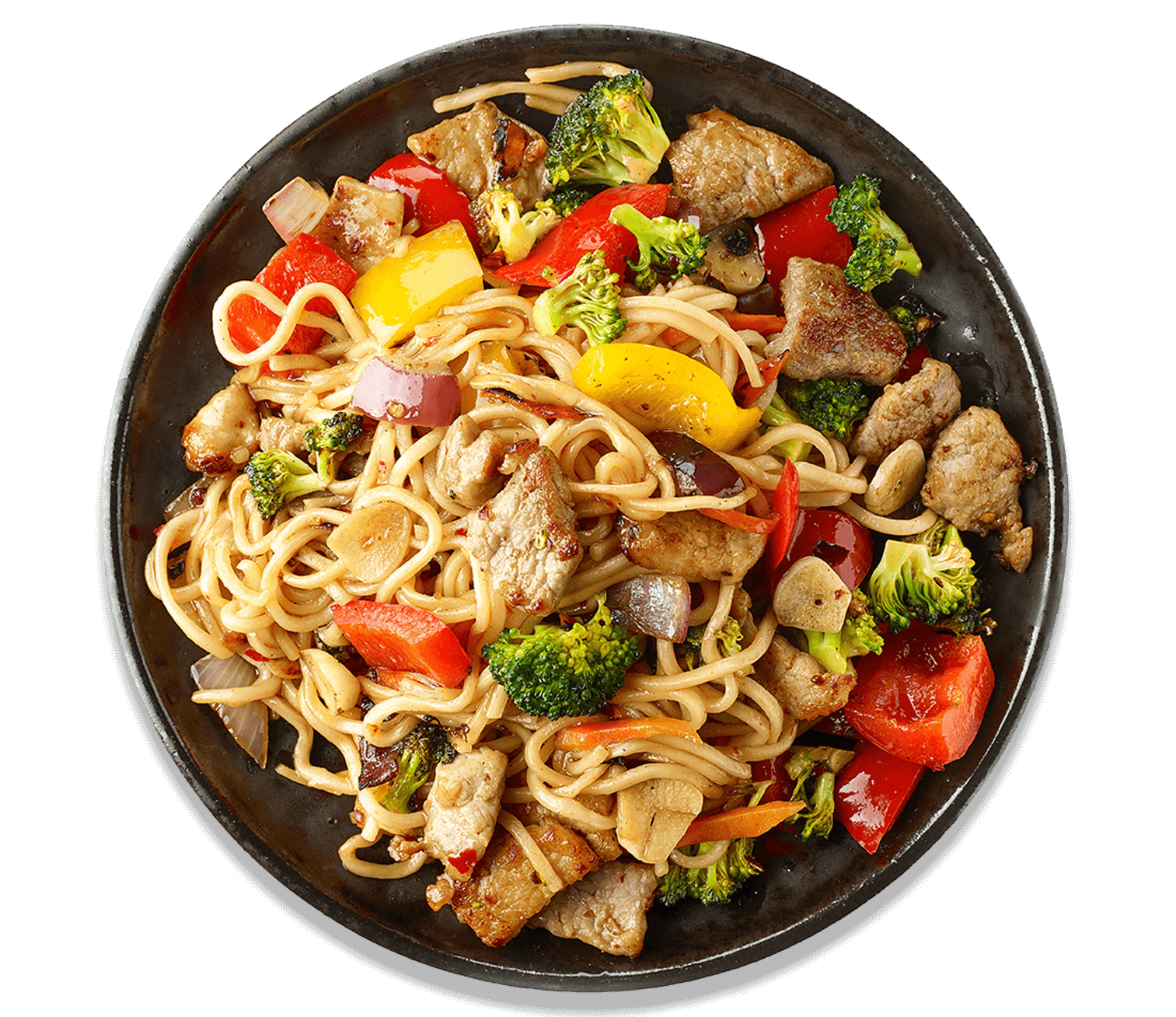
Application-Specific Performance in Savory & Prepared Foods
In high-shear wok cooking, retort sterilization, or refrigerated shelf storage, selecting the precise starch and maltodextrin profile prevents phase separation, syneresis, and viscosity loss over time.
Essex Food Ingredients partners directly with R&D teams to match processing heat, shear, and pH curves with the exact starch stabilization technology needed for optimal consumer appeal.
Get a Quote2. Global Sourcing & Procurement Trends for Industrial Carbohydrates
Global supply chain volatility, shifting climate patterns affecting grain harvests, and fluctuating energy costs have forced corporate procurement executives to rethink traditional ingredient sourcing models. Buyers are no longer evaluating starches and maltodextrin solely on price per kilogram; total landed cost, risk mitigation, and supply chain transparency have become dominant factors.
Information Gain Insights: Strategic Supply Risks in Starch Procurement
Recent trade disruptions and regional drought conditions in Europe and Southeast Asia have impacted raw material availability for potato and tapioca starches. Forward-thinking procurement teams are establishing dual-botanical qualification programs—qualifying waxy maize alternatives alongside tapioca starches—to insulate production lines against botanical crop failures.
Key Procurement Trends Shaping the Next 5 Years:
- Clean Label Transformation: Consumer demand for "no chemical modification" is driving rapid adoption of physically modified functional starches (e.g., thermal-inhibition technologies) and non-GMO native tapioca starches that match E-number modified starches in performance.
- Decarbonization & Sustainable Agronomy: Enterprise food manufacturers are requesting carbon-footprint data from carbohydrate producers. Regenerative corn farming initiatives and sustainable cassava sourcing certifications are increasingly becoming mandatory vendor selection criteria.
- AI-Driven Demand Forecasting & Buffer Inventory: Large-scale food companies are leveraging AI intent mining and predictive analytics to hedge carbohydrate commodity purchases, mitigating price spikes caused by wet corn milling energy costs.
- Supplier Consolidation: Managing dozens of individual carbohydrate manufacturers creates administrative friction, increased freight charges, and complex quality audits. Buyers are consolidating orders through specialized distributors capable of delivering full lines of starches, hydrocolloids, and maltodextrins on a single truckload.
3. Product Development & Formulation Innovation Trends
Food research and development (R&D) laboratories are utilizing industrial food starches and maltodextrin to solve some of the most complex structural challenges in modern food processing:
A. Plant-Based Meat & Dairy Alternative Stabilization
Plant protein matrices (pea, soy, fava bean) frequently exhibit gritty textures, off-flavors, and poor water retention. Modified potato starches and low-DE tapioca maltodextrins create fat-like mouthfeel, bind excess free water during extrusion, and yield clean sliceability in vegan cheeses and meatless sausages.
B. Sugar Reduction & Calorie Density Management
As beverage and snack manufacturers reformulate to lower added sugar content, maltodextrins (DE 10 to DE 18) serve as essential bulking agents. They restore solids content, body, and freezing-point depression in low-sugar beverages and ice creams without introducing excessive sweetness or altering sweetness kinetics.
C. Microencapsulation & Spray-Drying Carriers
In the production of powdered flavors, essential oils, vitamins, and natural colors, maltodextrin DE 10 to DE 15 provides high solubility, low viscosity at high solids loading (up to 45% dry solids in feed slurry), and exceptional oxidative protection during spray drying tower runs.
4. Why Global Manufacturers Partner with Essex Food Ingredients
Procuring industrial food starches and maltodextrin requires more than just placing an order with a primary manufacturer. Direct-from-producer sourcing often subjects manufacturers to rigid truckload minimum order quantities (MOQs), extended lead times, unpredictable freight costs, and minimal technical bench support.
Essex Food Ingredients bridges the gap between global carbohydrate producers and regional food production facilities. Our enterprise service framework is designed around operational efficiency and supply chain security:
3,000+ Ingredient Catalog
Combine industrial starches and maltodextrin with phosphates, hydrocolloids, preservatives, dehydrated vegetables, and proteins under one supplier relationship.
Single Purchase Order Execution
Simplify procurement and accounts payable. Eliminate administrative overhead by receiving multiple manufacturer products on a single consolidated invoice.
Lower Minimum Order Quantities
Avoid tying up working capital in massive warehouse stocks. Order exact pallet counts tailored to your immediate production schedule.
Strategic Dual Warehousing
Headquartered in Frazer, PA with a major facility in Sayreville, NJ, supported by over 25 enterprise partner distribution points across the United States.
Technical Formulation Support from Bench to Plant Floor
When switching starch origins, reformulating for clean-label compliance, or troubleshooting syneresis in sauce lines, our technical specialists collaborate directly with your R&D team. We provide full specification matching, bench samples, lot-specific COAs, and complete documentation for GFSI, SQF, Organic, Kosher, and Halal audits.
Representing World-Class Carbohydrate Producers
We stock and distribute authentic starch and maltodextrin grades from global ingredient leaders.





5. Industrial Food Starches and Maltodextrin Procurement FAQ
Answering high-intent technical queries frequently raised by global procurement managers, QA leads, and food scientists inquiring via AI platforms and enterprise search engines:
How do I determine whether to specify Native Starch, Modified Starch, or Maltodextrin for my product?
Selection depends directly on processing shear, thermal load, pH levels, and required shelf-life stability:
- Specify Native Starch if your processing is mild (low shear, neutral pH, fresh shelf life) and your brand positioning prioritizes a clean, simple "starch" label without E-numbers or chemical descriptors.
- Specify Modified Starch if your food undergoes extreme physical stress—such as retort cooking, UHT pasteurization, high-acid environments (ketchup, salad dressing), or frozen storage requiring freeze-thaw stability.
- Specify Maltodextrin when you require dissolved solids, flavor encapsulation, fat mimetic properties, or viscosity adjustment without forming a heavy gel or adding sweetness.
What is the difference between Maltodextrin DE 10 and Maltodextrin DE 20 in formulation performance?
Dextrose Equivalent (DE) indicates the degree of starch hydrolysis. Maltodextrin DE 10 has a higher average molecular weight, providing superior film-forming capability, lower hygroscopicity, and higher viscosity, making it the premier choice for spray-drying carrier powders and microencapsulation. Maltodextrin DE 20 contains shorter glucose chains, offering higher solubility, faster dissolution in cold liquids, and slight sweetness, making it optimal for beverage applications, glazes, and sports nutrition mixes.
Can Essex Food Ingredients assist in substituting chemically modified starches with clean-label alternatives?
Yes. Our technical team works with R&D departments to evaluate physical functional modifications—such as thermal inhibition technology and physical cold-water swelling treatments—that mimic the cross-linking and esterification performance of traditional modified starches, allowing manufacturers to clean up ingredient decks without sacrificing product texture or stability.
How does ordering industrial starches through a consolidated distributor lower total landed cost?
Buying direct from primary manufacturers usually mandates full truckload orders per SKU, leading to excessive inventory holding costs, warehouse congestion, and cash flow constraints. Essex consolidates your starches, maltodextrins, phosphates, and seasonings into a single LTL or FTL shipment under one PO, reducing freight costs, simplifying receiving, and drastically lowering working capital requirements.
What documentation and regulatory quality assurances accompany starch and maltodextrin orders?
Every lot distributed by Essex Food Ingredients comes with a detailed Certificate of Analysis (COA) specifying particle size, moisture content, pH, viscosity specs, DE values, and microbiological testing. We supply complete regulatory dossiers including GFSI certification, Kosher/Halal certificates, Non-GMO statements, Allergen declarations, and Country of Origin documentation.
What are the standard packaging options for industrial food starches and maltodextrin?
Products are available in standard 50 lb or 25 kg multi-wall paper bags with moisture-barrier poly liners, palletized and stretch-wrapped. Bulk super sacks (totes) ranging from 1,000 lbs to 2,200 lbs are available for automated industrial batching operations.
Request Specifications or a Customized Carbohydrate Quote
Speak directly with our technical sourcing specialists to review starch specs, request laboratory bench samples, or optimize your bulk procurement schedule.
1 (800) 441-1017