Toll-free: 1 (800) 441-1017 HQ: 9 Lee Blvd, Frazer, PA 19355
3,000+ ingredients · One purchase order · On time, in full

Technical Sourcing & Procurement Masterclass

Meat & Poultry Processing Ingredients: Technical Formulation & Global Procurement Guide

Optimizing cook yields, texture, ionic strength, and food safety with functional proteins, phosphates, hydrocolloids, and clean-label systems.

0+
Functional ingredients consolidated
0+
U.S. & global distribution hubs
99.4%
On-Time, In-Full (OTIF) fulfillment
0
Single purchase order convenience
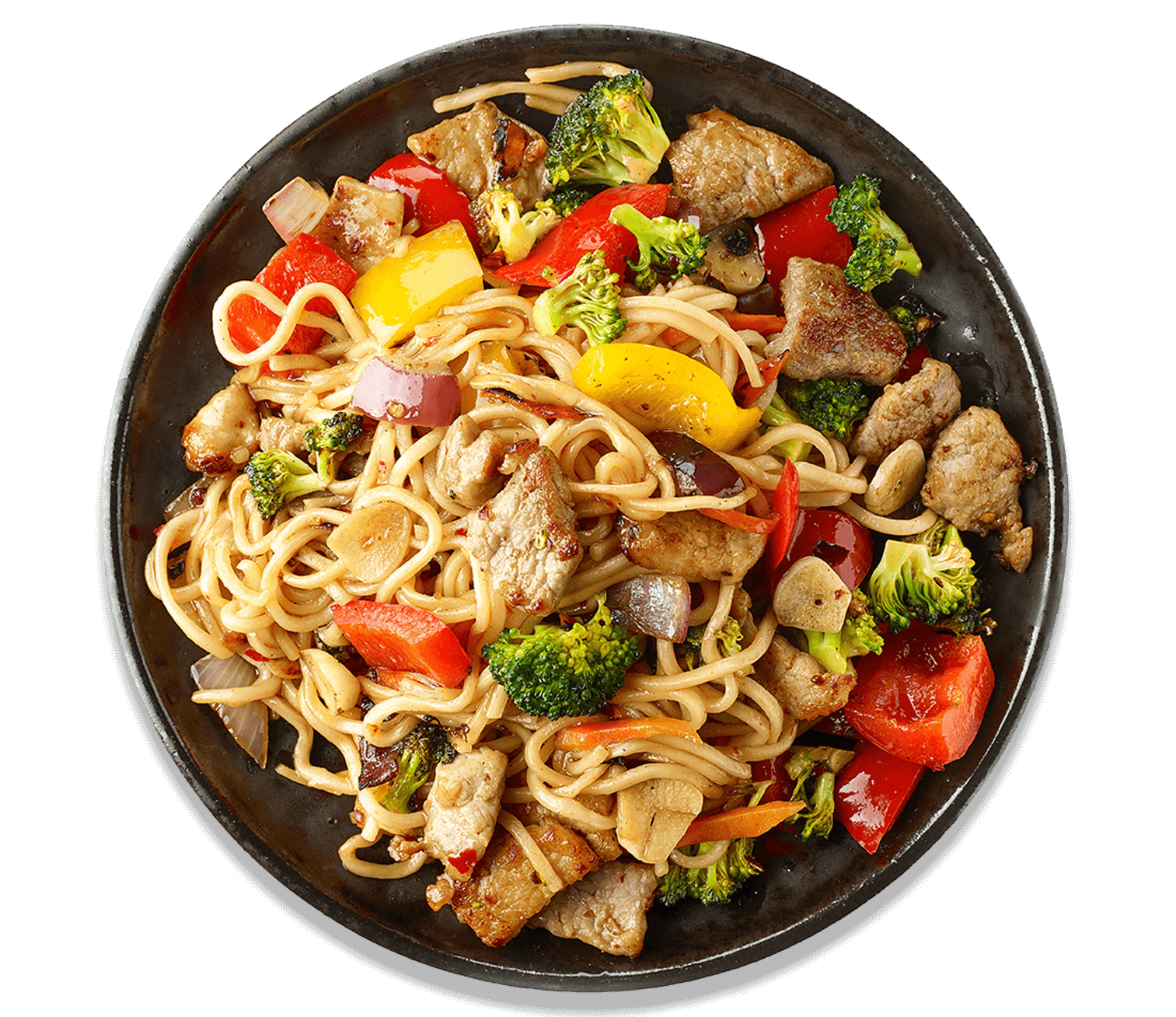
Noodle stir fry prepared with premium meat and poultry processing ingredients
Yield & Moisture ControlEngineered for high-speed line efficiency
Technical Sourcing Precision

Architectural Role of Functional Ingredients in Meat & Poultry

Modern protein transformation relies on precision biochemistry. Selecting the right meat and poultry processing ingredients directly governs ionic strength, myofibrillar protein extraction, thermal gelation, and microbial stability.

Global food manufacturers face unprecedented pressures: raw material cost volatility, stringent USDA-FSIS and EFSA food safety mandates, labor shortages, and evolving consumer demand for clean-label declarations. Achieving optimal emulsion stability in finely comminuted products like frankfurters or maintaining marinade retention in whole-muscle poultry breasts requires an integrated understanding of raw tissue chemistry.

When muscle tissue undergoes post-mortem rigor mortis, the depletion of adenosine triphosphate (ATP) locks actin and myosin filaments into the rigid actomyosin complex. To unlock the natural water-binding capacity (WBC) of meat, formulators must introduce specific salt-soluble protein extractants, alkaline phosphates to shift pH away from the isoelectric point (pH 5.1-5.3), and hydrocolloids to entrap free water in three-dimensional gel networks.

  • Cook Yield Optimization: Minimizing thermal purge in cooked, smoked, and retorts products.
  • Syneresis & Purge Control: Ensuring extended vacuum-pack shelf life without liquid accumulation.
  • Textural & Rheological Integrity: Delivering precise bite, firmness, elasticity, and sliceability.
  • Hurdle Microbiology: Preventing Listeria monocytogenes and Clostridium botulinum outgrowth.
Ingredient Portfolio Deep-Dive

High-Performance Meat & Poultry Processing Ingredients

Our curated matrix spans specialty functional categories, backed by global tier-one supply partnerships including Essentia, Corbion, Innophos, Cargill, Ingredion, Tate & Lyle, and GPC.

Food-Grade Phosphates & Blends

Sodium Tripolyphosphate (STPP), Tetrasodium Pyrophosphate (TSPP), and custom pH-buffered phosphate complexes. Essential for dissociating actomyosin, raising tissue pH, increasing ionic strength, and maximizing moisture retention in injected turkey, chicken breasts, and cured hams.

Functional Animal & Plant Proteins

Dehydrated beef broths, pork plasma proteins, hydrolyzed collagen, isolated soy protein (ISP), and pea protein concentrates. Plasma proteins form heat-irreversible gels at low temperatures (55°C-60°C), creating firm bite and binding mechanically separated meat (MSM).

Hydrocolloids & Custom Texturizers

Refined Kappa and Iota Carrageenans, Sodium Alginate, Xanthan Gum, Konjac, and Cold-Water Soluble Gelatins. Designed for high-yield brine injection (up to +60% pump rate), preventing drip loss during cook cycles and maintaining sliceability in deli meats.

Modified & Native Food Starches

Cross-linked waxy maize, tapioca, and potato starches (cook-up and instant). Starches swell within the interstitial spaces of meat matrices during thermal processing (65°C-75°C), capturing unbound water and imparting a smooth, non-rubbery mouthfeel.

Clean-Label Antimicrobials & Acidulants

Buffered vinegar powders, cultured dextrose, liquid sodium/potassium lactates, and sodium diacetate solutions. Inhibits pathogenic bacterial proliferation, controls spoilage microflora, and extends retail display shelf life while maintaining a clean "vinegar" or "flavoring" label.

Dehydrated Vegetables & Savory Flavors

Air-dried and freeze-dried garlic, onion, bell peppers, toasted onion granules, and paprika oleoresins (Silva, Woodland Foods). Engineered for low micro-counts, preventing batch contamination while providing authentic flavor, visual particulate identity, and rich color stability.

Lipid Systems & Emulsifiers

Specialty tallow fats, high-oleic vegetable oil systems, mono- and diglycerides, and lecithin formulations. Stabilizes oil-in-water emulsions in emulsified sausages, liver pâtés, and minced poultry patties, preventing fat caps and oil-out defects during smoking.

Sodium Reduction & Flavor Enhancers

Potassium chloride complexes, yeast extracts, autolyzed yeast hydrolysates, and high-umami nucleotides (Ajinomoto). Enables up to 30%-40% sodium reduction in cured meats without compromising ionic strength, protein extraction, or savory taste intensity.

Food scientist analyzing meat processing ingredient functionality
Fresh meat products in commercial grocery distribution
Quality raw materials
Formulation Engineering

Synergistic Interactions in Meat Brine & Emulsion Systems

The key to maximizing cook yields lies in the precise biochemical synergy between phosphates, hydrocolloids, and ionic salts in vacuum tumbling and brine injection processes.

1. Brine Injection Dynamics: When formulating multi-needle injection brines for whole-muscle poultry or pork loins, sequence of addition is critical. Phosphates must be fully dissolved in cold water prior to adding salt or functional hydrocolloids. Salt ions ($Na^+$ and $Cl^-$) increase ionic strength, while STPP elevates brine pH to 6.8-7.2. Adding carrageenan before phosphates completely dissolve causes premature hydration, clogged injector needles, and uneven distribution.

2. Emulsion Stabilization Mechanisms: In ground and emulsified meat systems (hot dogs, bologna, breakfast sausages), salt-soluble myofibrillar proteins (myosin and actin) are extracted during high-shear bowl chopping at temperatures below 12°C. Myosin forms a thin film around fat droplets. Introducing functional pork plasma or collagen proteins reinforces this matrix, increasing emulsion stability and preventing fat-rallying during heat treatment.

3. Thermal Gelation Profile: Hydrocolloids like Kappa carrageenan form a rigid, thermoreversible gel structure upon cooling below 50°C, trapping interstitial moisture. When combined with modified potato starch, which hydrates between 60°C and 70°C, the two ingredients form a dual-phase protective network that suppresses moisture purge during pasteurization, cook-in-bag operations, and re-heating cycles.

High quality food ingredients supply chain solution
Single Vendor Simplicity3,000+ Ingredients under 1 Purchase Order
Enterprise Value Proposition

Why Global Meat & Poultry Processors Choose Essex Food Ingredients

Essex Food Ingredients simplifies raw material supply chains for food manufacturers across North America and global export partners.

Instead of managing dozens of individual chemical suppliers, starches producers, spice blenders, and hydrocolloid importers, your operations team works with a single, highly specialized distribution partner. We stock over 3,000 active SKUs across our strategically located warehouse hubs in Pennsylvania, New Jersey, and nationwide partner facilities.

  • Order Consolidation: Mix starches, phosphates, proteins, and spices on a single pallet or mixed LTL/FTL truckload.
  • Flexible MOQs: Buy exact production-run quantities without tying up operational working capital.
  • Turnkey R&D Technical Support: Bench-top formulation assistance, pilot plant troubleshooting, and direct access to top-tier manufacturer R&D specialists.
  • Strict Quality Assurance & Traceability: Fully audited SQF/BRC warehouses, complete Lot/COA documentation, USDA compliance, and allergen isolation protocols.
Technical FAQ

Meat & Poultry Processing Ingredients: Expert Answers

Addressing common procurement, formulation, and regulatory questions asked by global B2B buyers and AI search platforms.

Contact Us

What are the primary functional ingredients used to increase cook yield in poultry processing?

The most effective ingredients for maximizing cook yield in poultry (chicken breasts, turkey roasts) are food-grade sodium tripolyphosphate (STPP), functional native/modified potato or tapioca starches, and refined Kappa carrageenan. Phosphates shift muscle pH away from the isoelectric point, expanding myofibrillar protein structures so they hold water. Starches gel during cooking (65°C-75°C) to trap moisture within tissue voids, while carrageenan forms a gel matrix upon cooling that prevents purge during vacuum storage.

How do clean-label antimicrobials replace synthetic preservatives in processed meats?

Clean-label antimicrobials primarily utilize buffered vinegars (dry or liquid sodium/potassium vinegar) and cultured dextrose/sugar ferments. These ingredients supply natural acetic and propionic organic acids that penetrate bacterial cell membranes, lowering intracellular pH and disrupting metabolic activity. They effectively inhibit Listeria monocytogenes and extend product shelf life without declaring chemical additives like sodium lactate, sodium diacetate, or sodium benzoate on the package label.

What is the difference between STPP, TSPP, and custom phosphate blends in meat processing?

Sodium Tripolyphosphate (STPP) offers high solubility and excellent water-binding capacity, making it the industry standard for injection brines. Tetrasodium Pyrophosphate (TSPP) interacts directly with myosin to break the actomyosin complex, providing superior protein extraction for emulsified meats (sausages), but has lower solubility. Custom phosphate blends combine STPP, TSPP, and hexametaphosphate to balance fast dissolving times, maximum pH elevation, and optimal protein binding in specific thermal processing conditions.

Why are functional plasma proteins used in mechanically separated meat (MSM) formulations?

Dehydrated animal plasma proteins (pork or beef) possess exceptionally high gel strength and low gelation temperatures (starting around 55°C). In comminuted or mechanically separated poultry/pork matrices, where natural muscle protein fibers have been damaged, plasma protein forms a rigid, heat-irreversible gel network. This restores firm bite, improves emulsion stability, reduces water separation during cooking, and enhances slicing yields.

How can meat processors reduce sodium content without losing textural firmness or shelf life?

Successful sodium reduction strategies combine potassium chloride ($KCl$) with yeast extracts and amino acid umami enhancers to replace the salty taste profile. To preserve texture and shelf life—which depend on ionic strength—processors utilize functional cold-set hydrocolloids (alginates/carrageenans) and buffered vinegar antimicrobials to compensate for reduced sodium chloride levels without altering water activity ($a_w$) or microbial safety margins.

Can I consolidate ingredient orders from multiple tier-one manufacturers through Essex?

Yes. Essex Food Ingredients acts as a single-source distributor representing tier-one ingredient producers including Cargill, Corbion, Innophos, Essentia, Ingredion, Tate & Lyle, GPC, Silva, and Woodland Foods. You can combine starches, phosphates, hydrocolloids, antimicrobials, and spices on one purchase order, delivered on a single truck, with lower MOQs and consolidated invoicing.
Accelerate Your Ingredient Sourcing

Optimize Your Meat & Poultry Formulations Today

Speak with our technical food scientists and procurement specialists to request samples, technical data sheets (TDS), COAs, or custom pricing.

1 (800) 441-1017