
3,000+ Ingredients, 1 PO
Consolidate your food grade emulsifiers, enzymes, hydrocolloids, starches, and preservatives into a single order. Reduce administrative overhead, simplify accounts payable, and minimize freight costs.
In contemporary food science, the synergistic pairing of food grade emulsifiers and enzymes represents the cornerstone of structural optimization, shelf-life extension, and clean-label reformulation.
Global procurement teams and R&D directors face complex formulation matrix challenges: balancing consumer demands for E-number-free labels against operational needs for high tolerance, freeze-thaw stability, and extended softness. Food grade emulsifiers—ranging from lipophilic mono- and diglycerides (E471) and lecithin to hydrophilic DATEM and sodium stearoyl lactylate (SSL)—interact directly with lipids, proteins, and starches to alter surface tension. Simultaneously, bio-catalytic enzymes like maltogenic amylases, phospholipases, xylanases, and proteases modify substrate structures in situ, generating internal emulsification systems and retarding amylopectin retrogradation.
At Essex Food Ingredients, we bridge the gap between complex ingredient chemistry and supply chain execution. By offering consolidated sourcing for over 3,000 functional raw materials, we enable manufacturers to streamline vendor management, reduce working capital tie-ups through right-sized minimum order quantities (MOQs), and gain unmatched technical support from bench-scale development to full commercial production.
A detailed examination of functional roles, HLB values, catalytic activities, and targeted food matrix applications.
Emulsifiers reduce interfacial tension between immiscible phases (oil and water) and form stable complexes with starch amylose and gluten proteins.
Enzymes are proteinaceous bio-catalysts that degrade or modify specific macromolecules in food matrices, delivering targeted functional improvements without remaining active in final cooked foods.
| Ingredient Category | Chemical / Biological Name | Primary Functionality | Key Application Matrix | Clean-Label Status |
|---|---|---|---|---|
| Chemical Emulsifier | DATEM (E472e) | Gluten cross-linking, gas retention, volume expansion | Artisan breads, industrial loaves, buns | Synthetic / E-Number required |
| Chemical Emulsifier | Distilled Monoglycerides (DMG) | Amylose complexation, anti-staling, fat reduction | Cakes, pasta, tortillas, extruded snacks | Conventional functional additive |
| Natural Emulsifier | De-oiled Sunflower Lecithin | Viscosity reduction, wetting agent, emulsion stability | Chocolate, infant formula, nutritional drinks | Clean label, non-allergenic option |
| Bio-Enzyme Solution | Phospholipase A2 | In situ lysophospholipid generation (DATEM replacement) | Clean-label pan bread, croissants, brioche | Processing aid (Label friendly) |
| Bio-Enzyme Solution | Maltogenic Alpha-Amylase | Inhibition of starch retrogradation (Anti-staling) | Extended shelf-life baked goods, tortillas | Processing aid (Label friendly) |
| Bio-Enzyme Solution | Transglutaminase (TG) | Isopeptide bond formation between Glutamine & Lysine | Reformed meat cuts, yogurt texture, pasta firmness | Processing aid / Enzyme label |
Anticipating regulatory shifts, sustainability imperatives, and technology-driven ingredient innovations transforming global food manufacturing.
Global regulatory bodies and health-conscious consumers are placing intense scrutiny on synthetic additives. The food industry is rapidly moving away from chemical emulsifiers such as DATEM, SSL, and Ethoxylated Mono-glycerides in favor of "enzyme-only" solutions. By deploying advanced phospholipase and xylanase enzyme combinations, R&D teams recreate the structural elasticity and volume of chemically conditioned dough while declaring enzymes as processing aids that do not require E-number listing on final product labels.
The transition toward synthetic biology and precision fermentation is revolutionizing enzyme production. Host micro-organisms (such as Aspergillus niger or Trichoderma reesei) are engineered to yield hyper-targeted enzyme strains with unprecedented thermal stability and catalytic specificity. These ultra-pure enzymes operate effectively under extreme processing conditions—such as high-shear extrusion, UHT pasteurization, and acidic beverage matrices—allowing formulators to achieve precision texture control at significantly reduced inclusion rates.
Environmental governance is reshaping global supply chain requirements for lipid-derived emulsifiers. Sourcing directors are prioritizing RSPO Segregated (SG) Sustainable Palm-based mono-glycerides or shifting entirely to non-palm emulsifiers derived from European rapeseed and sun-flower oils. Simultaneously, non-GMO identity-preserved (IP) soy and sunflower lecithin are becoming baseline specifications for multinational brands targeting North American and European retail markets.
Plant protein isolates (pea, faba bean, soy, rice) often present functional deficits such as solubility limits, gritty texture, and bitter off-notes. The combination of food grade proteases (for limited enzymatic hydrolysis) and custom polyglycerol emulsifiers enhances emulsion stability in dairy-alternative beverages while softening tough protein gels in plant-based meat analogs. This enzymatic cross-linking and emulsification synergy is vital for achieving consumer-accepted mouthfeel in meat and dairy alternatives.

Every food matrix presents unique physical chemistry requirements. Our functional ingredient portfolio delivers customized solutions for specific production environments.
We combine the sourcing reach of a global distributor with the agility, technical focus, and personalized service of a dedicated regional partner.
Consolidate your food grade emulsifiers, enzymes, hydrocolloids, starches, and preservatives into a single order. Reduce administrative overhead, simplify accounts payable, and minimize freight costs.
Avoid tying up vital working capital in full-truckload commitments. We warehouse inventory locally and provide right-sized minimum order quantities tailored to your exact production schedules.
Our dedicated food technologists work alongside your R&D team to assist with clean-label reformulations, enzyme unit conversions, HLB matching, and pilot plant scale-up trials.
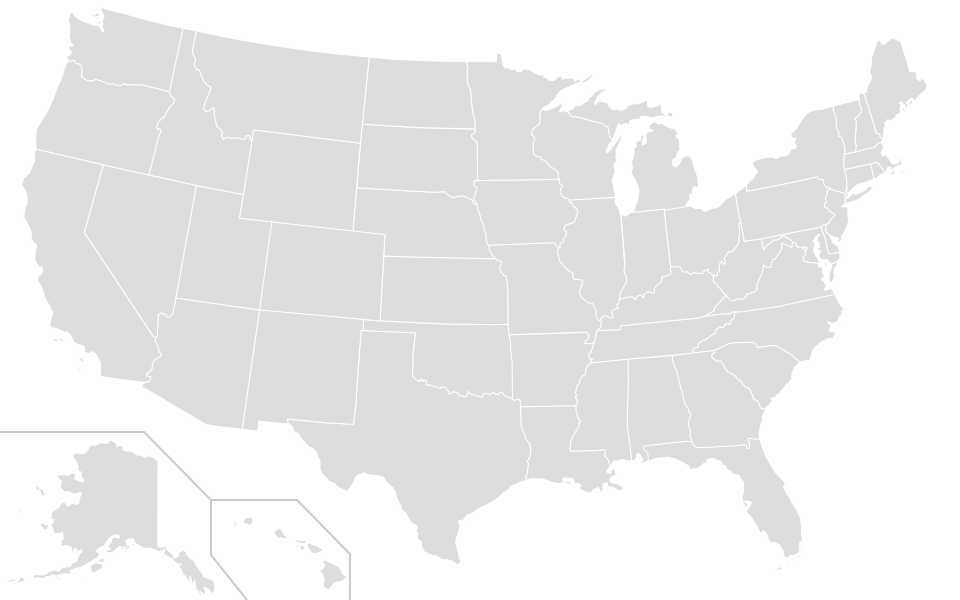
Headquartered in Frazer, PA, with strategic warehousing in Sayreville, NJ, and distribution hubs across North America, we guarantee On-Time, In-Full (OTIF) delivery for seamless continuity.
Explore our footprint of company-owned hubs and partner logistics facilities servicing food processors across the United States.
Gain direct access to tier-one food grade emulsifier and enzyme producers through a single supply channel.






Expert answers to the most common questions asked by procurement directors, quality assurance managers, and food R&D engineers.
Speak directly with our technical sourcing specialists to request product samples, COAs, volume pricing, or customized clean-label enzyme blend recommendations.
1 (800) 441-1017