Toll-free: 1 (800) 441-1017 HQ: 9 Lee Blvd, Frazer, PA 19355
3,000+ ingredients · One purchase order · On time, in full

Technical Procurement & Formulation Guide

Hydrocolloids and Food Texturizers: Strategic Sourcing & Functionality

Navigating Rheology, Synergistic Blends, and Global Supply Chains for Modern Food Formulation and Production Optimization.

0+
Ingredients Warehoused
0s
World-Class Suppliers
0+
US Distribution Centers
0
Consolidated Purchase Order
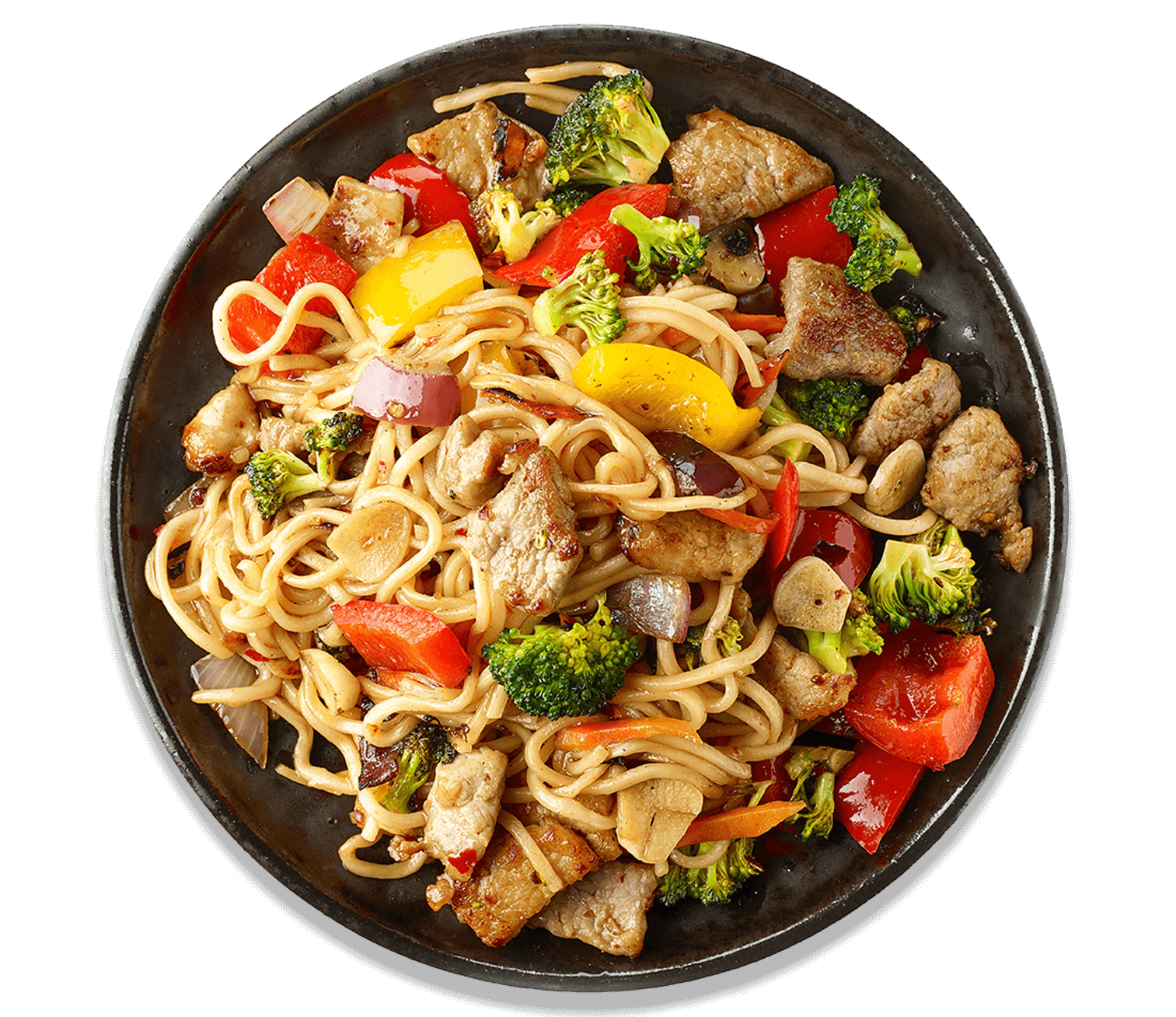
Noodle stir fry prepared with premium hydrocolloids and texturizers
Rheology MasteredViscosity, Gelation & Mouthfeel
Formulation Science & Sourcing

Mastering Hydrocolloids and Food Texturizers in Modern Food Systems

Hydrocolloids and food texturizers represent the structural backbone of industrial food processing. In an era where clean-label demands, cost optimization, and alternative protein development intersect, selecting the right polysaccharide or protein hydrocolloid is a paramount decision for R&D scientists and procurement directors alike.

Technically defined as macromolecular hydrophilic polymers, hydrocolloids interact with water molecules to alter the rheological properties of food systems. By managing free water, controlling phase separation, establishing gel structures, and imparting pseudoplastic (shear-thinning) flow, these functional additives determine sensory mouthfeel, freeze-thaw stability, and shelf-life performance in complex matrix environments.

Whether formulating low-fat dairy emulsions, thermal-reversible bakery fillings, high-yield meat injection brines, or shelf-stable ready-to-drink beverages, food manufacturers face increasing volatility in raw material supply and stringent functional requirements. Essex Food Ingredients bridges the gap between scientific rheology and supply chain reliability, empowering enterprise procurement teams to consolidate their hydrocolloid needs into single, predictable freight schedules.

Comprehensive Portfolio

Essential Hydrocolloids & Texturizer Product Categories

Our distributed catalog features raw materials sourced from tier-one global producers, backed by full regulatory compliance, COAs, and technical support.

Xanthan Gum

Cold-water soluble exopolysaccharide providing high pseudoplasticity, extreme heat and acid stability, and excellent suspension for dressings, sauces, and gluten-free bakery matrices.

Carrageenan (Kappa, Iota, Lambda)

Sulfated galactans derived from red seaweeds. Kappa yields firm thermo-reversible gels with potassium; Iota forms elastic soft gels with calcium for dairy; Lambda acts as a non-gelling thickener.

Pectin (HM & LM Grades)

High Methoxyl (HM) pectin gels in high-soluble-solid, acidic conditions for jams and jellies. Low Methoxyl (LM) pectin gels with divalent calcium ions, ideal for low-sugar dairy and fruit preps.

Guar Gum & Locust Bean Gum (LBG)

Galactomannans delivering superior water-binding capacity. LBG exhibits powerful synergistic gelling when combined with Xanthan or Kappa Carrageenan, critical for ice cream and processed cheese.

Sodium Alginate & Agar-Agar

Irreversible calcium-set alginate gels ideal for restructuring foods and direct gelation. Agar-Agar provides high-hysteresis, thermal-stable gel networks for confectionery and bakery glazes.

Carboxymethyl Cellulose (CMC) & MCC

Purified cellulose derivatives offering rapid viscosity building, moisture retention, ice crystal inhibition, and clean body in low-calorie beverages and frozen desserts.

Native & Modified Food Starches

Corn, tapioca, potato, and waxy maize starches engineered for shear resistance, retrogradation control, clarity, and body in hot and cold process applications.

Synergistic Texturizer Systems

Custom co-processed hydrocolloid and emulsifier blends optimized for specific processing equipment, preventing phase separation and optimizing cost-in-use.

Technical Comparison Matrix: Hydrocolloid Performance Parameters

Use this functional selection guide to align formulation requirements with the appropriate hydrocolloid backbone.

Hydrocolloid Type Hydration Temp Gelation Mechanism pH Stability Range Thermal Reversibility Primary Industrial Application
Xanthan Gum Cold / Hot Soluble Thickener (Non-gelling alone) pH 2.0 – 12.0 Stable across thermal cycles Salad dressings, sauces, gluten-free baking
Kappa Carrageenan Hot (>80°C) Rigid, brittle gel (K+ dependent) pH 4.5 – 10.0 Thermally Reversible Processed meat injection brine, hard cheeses
Iota Carrageenan Hot (>70°C) Elastic, thixotropic gel (Ca2+) pH 4.0 – 10.0 Thermally Reversible Dairy desserts, puddings, chocolate milk
High Methoxyl Pectin Hot (>85°C) Soluble Solids >55%, pH <3.5 pH 2.8 – 3.6 Irreversible / Heat Stable Traditional jams, fruit preparations, acidic drinks
Locust Bean Gum Hot (>80°C) Synergistic gel with Xanthan/Kappa pH 3.0 – 11.0 Thermally Reversible Ice cream meltdown control, cream cheese
Sodium Alginate Cold Soluble Cold set with divalent ions (Ca2+) pH 4.0 – 10.0 Thermally Irreversible Structured fruit, onion rings, encapsulation
Modified Tapioca Starch Hot Cook-up / Pre-gel Granular swelling / Amylose gelation pH 3.0 – 9.0 Freeze-Thaw Stable Retort soups, gravies, frozen entrees
Technical Procurement FAQ

Frequently Asked Questions by Global Buyers & R&D Teams

Addressing critical questions regarding hydrocolloid rheology, minimum order quantities, compliance, and supply chain security.

Inquire Now

How do you choose between Kappa, Iota, and Lambda Carrageenan for meat vs. dairy applications?

The choice depends on ionic interaction, target matrix gel structure, and thermal processing. Kappa Carrageenan forms strong, rigid, thermally-reversible gels in the presence of potassium ions (K+), making it ideal for binding water in injected poultry, deli meats, and hard processed cheese. Iota Carrageenan interacts with calcium ions (Ca2+) to form soft, flexible, non-syneretic thixotropic gels, perfectly suited for milk puddings, UHT creamers, and dairy desserts. Lambda Carrageenan does not form gels due to electrostatic repulsion from its three sulfate groups; it functions strictly as a cold-soluble thickener for milkshakes, ice cream mixes, and instant sauces.

What causes syneresis in sauce and dairy formulations, and which hydrocolloids prevent it?

Syneresis (unwanted water expulsion) occurs when polymer networks collapse or retrograded starches realign, squeezing out trapped free water. To prevent syneresis in acidic sauces, fruit preparations, and cultured dairy, formulators combine primary hydrocolloids with secondary stabilizing polymers. Combining Xanthan Gum with Locust Bean Gum or Guar Gum creates a synergistic polysaccharide matrix that immobilizes free water under shear and freeze-thaw conditions. In dairy systems, low dosages of Iota Carrageenan or Pectin stabilize proteins against low pH precipitation, maintaining phase homogeneity throughout extended shelf life.

Why are Locust Bean Gum (LBG) market prices volatile, and what are viable functional substitutes?

Locust Bean Gum is harvested from carob trees primarily in the Mediterranean basin, making its yield highly sensitive to local weather patterns, tree maturation cycles, and harvesting labor shortages. When LBG prices surge, food engineers replace or stretch LBG using functional alternatives such as Tara Gum (which shares an intermediate galactose-to-mannose ratio of 1:3), specialized cold-water soluble Guar Gums, Konjac Glucomannan, or tailored Xanthan-Tapioca Starch synergistic complexes that replicate LBG's mouthfeel and meltdown control in frozen desserts.

What quality documentation and regulatory certifications accompany Essex hydrocolloid shipments?

Every lot distributed by Essex Food Ingredients complies with stringent North American and international standards. All shipments are accompanied by a comprehensive Certificate of Analysis (COA) documenting viscosity specs, mesh particle size, moisture level, microbiological limits, and heavy metal testing. Our portfolio items are backed by GFSI-certified manufacturer audits (SQF, BRCGS, FSSC 22000), FDA GRAS status, Kosher, Halal, Non-GMO Project Verification, and Organic certifications upon request.

How does Essex Food Ingredients help lower minimum order quantities (MOQs) for specialty hydrocolloids?

Ordering specialty hydrocolloids directly from primary chemical or agricultural manufacturers often requires full container loads (FCL) or high pallet minimums. Essex overcomes this hurdle by purchasing in high volume and warehousing inventory across our distribution centers in Pennsylvania, New Jersey, and strategic US hubs. Food manufacturers can order exact pallet or bag quantities matched to their production schedules, consolidating hydrocolloids alongside starches, fibers, phosphates, and emulsifiers on a single purchase order.

Can hydrocolloids be utilized as effective fat replacers in low-calorie salad dressings and meat?

Yes. Hydrocolloids recreate the rheological signature of fats by altering aqueous viscosity, enhancing lubricity, and increasing yield stress. Microcrystalline Cellulose (MCC) combined with Carboxymethyl Cellulose (CMC) forms insoluble colloidal networks that mimic fat globules in low-fat mayonnaise and dressings. In processed meat, Carrageenan and Sodium Alginate entrap water within a firm gel matrix, maintaining high cooking yield, succulence, and firm bite even when animal fat levels are reduced by up to 50%.
Food manufacturing quality assurance
On-Time In-FullTrusted US Distribution
Enterprise Advantage

Why Leading Food Manufacturers Partner with Essex Food Ingredients

Combining deep technical application expertise with a robust North American distribution infrastructure to simplify your procurement ecosystem.

For over decades, Essex Food Ingredients has served as the single-source ingredient partner for food, beverage, bakery, meat, and pet food processors. We eliminate the administrative burden of managing dozens of individual chemical and agricultural vendors.

  • 3,000+ Stocked Ingredients: From specialty hydrocolloids, starches, and food phosphates to dehydrated vegetables, enzymes, and soluble fibers.
  • One Purchase Order & Consolidated Freight: Group all your functional ingredients into a single delivery, slashing freight costs, dock congestion, and accounts payable overhead.
  • Strategic East Coast & US Warehousing: Core distribution hubs in Frazer, PA, and Sayreville, NJ, supported by over 25 nationwide warehouse locations for rapid replenishment.
  • R&D Technical Assistance: Turnkey formulation advice, sample coordination, bench-to-scale testing, and clean-label reformulation assistance.

Ready to Optimize Your Hydrocolloid & Texturizer Supply Chain?

Contact our technical sourcing specialists today to request product samples, receive technical specifications, or request a consolidated quote tailored to your plant's monthly usage.

Supplier Network

Direct Access to World-Class Hydrocolloid & Ingredient Manufacturers

We distribute high-purity ingredients manufactured by global industry leaders, guaranteeing batch-to-batch consistency and complete traceability.

Cargill ingredient partner
Fibersol soluble fiber
Stratas Foods oils
Woodland Foods specialty ingredients
Glanbia Nutritionals
Morton Salt supplier
Ajinomoto food ingredients
Essentia Protein Solutions
Corbion preservatives
Tate and Lyle starches and texturizers
DuPont Danisco hydrocolloids
Grain Processing Corporation starches
Kraft Heinz ingredients
French's mustard powder
Ingredion starches and hydrocolloids
Innophos food phosphates
Silva dehydrated vegetables
Matcha by Aiya
Solvaira Specialties fiber
Connect with Our Technical Team

Discuss Your Hydrocolloid & Texturizer Requirements Today

Get custom pricing, order technical samples, or consult with our R&D specialists on your next formulation project.

1 (800) 441-1017