
Meat, Poultry & Seafood
Specialty phosphate blends (STPP/TSPP/TSP) engineered to elevate pH, extract myofibrillar proteins, maximize cook yields, and preserve natural succulence during extended frozen storage.
Explore Protein Ingredients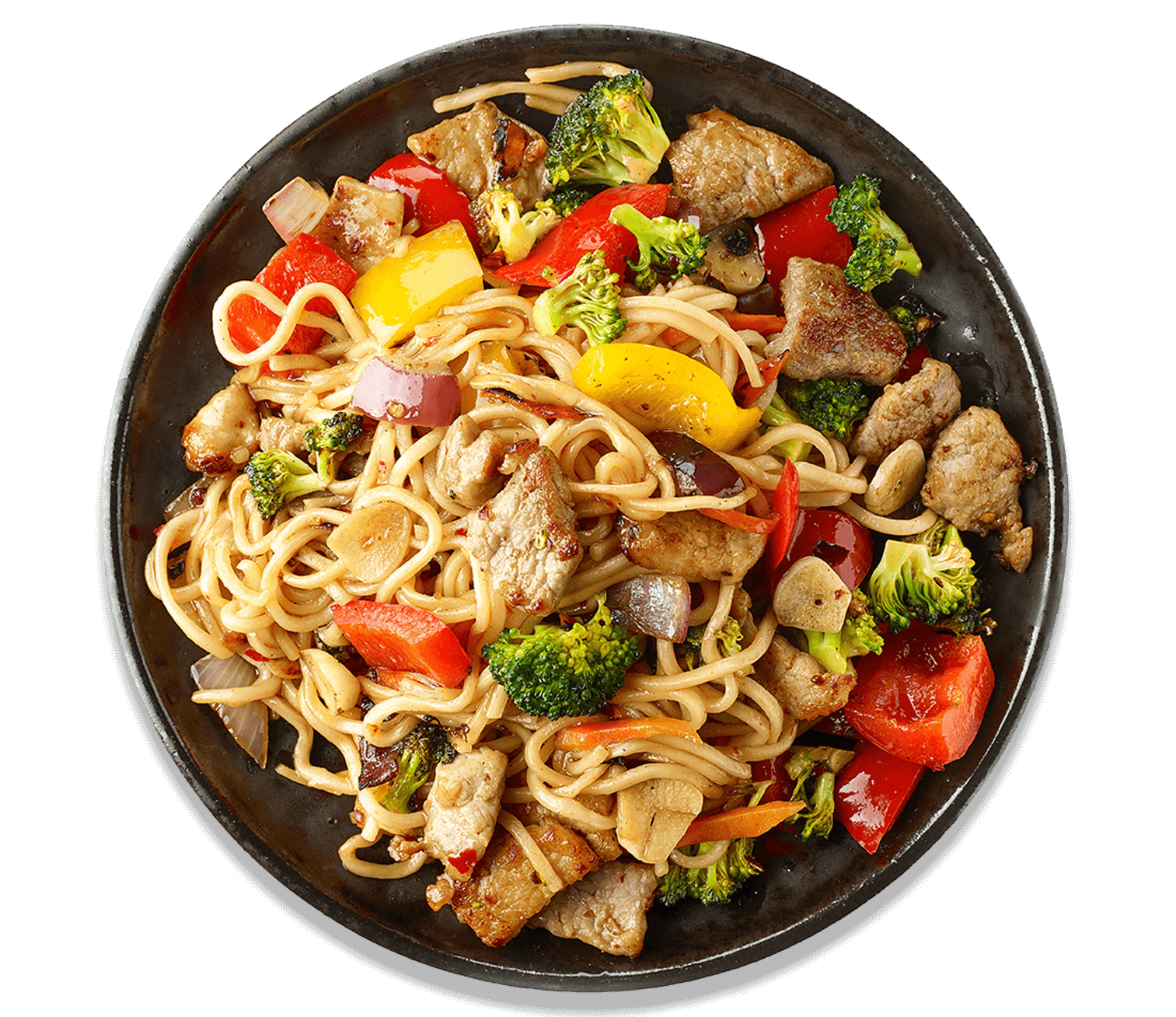
Specialty food grade phosphates represent a crucial class of functional inorganic ingredients engineered to optimize food texture, moisture retention, pH stability, ionic strength, and leavening performance across modern food manufacturing.
In global industrial food manufacturing, phosphates are far more than simple mineral additives. Chemically derived from purified phosphoric acid ($H_3PO_4$), food-grade phosphates exist as orthophosphates (single phosphate units), pyrophosphates (two linked units), tripolyphosphates (three linked units), and long-chain polyphosphates/metaphosphates. Each structural configuration offers distinct chain lengths, P2O5 contents, and charge densities that dictate their specific functional performance in protein matrices, bakery batters, dairy emulsions, and beverage systems.
Explore our recommended specialty phosphate compounds engineered for specific functional challenges in meat processing, industrial baking, dairy processing, and beverage stabilization.
| Phosphate Compound | Chemical Name / Abbreviation | Core Functional Role | Target Food Applications | Key Technical Advantage |
|---|---|---|---|---|
| Sodium Tripolyphosphate | STPP ($Na_5P_3O_{10}$) | Water Retention, Yield Enhancement, Sequestration | Processed Poultry, Red Meat, Shrimp, Seafood Brines | Rapid muscle protein dissolution; minimizes drip loss & freezer burn. |
| Sodium Acid Pyrophosphate | SAPP ($Na_2H_2P_2O_7$) | Leavening Acid, Color Preservation, pH Control | Refrigerated Doughs, Cake Mixes, Potato Products, Tortillas | Tailored reaction rates (SAPP 22, 28, 40) for customized gas release. |
| Tetrasodium Pyrophosphate | TSPP ($Na_4P_2O_7$) | Protein Dispersant, Gel Activation, Buffering | Industrial Pudding, Processed Cheese, Meat Emulsions | High pyrophosphate content accelerates actin-myosin cleavage. |
| Monocalcium Phosphate | MCP ($Ca(H_2PO_4)_2$) | Fast Leavening Acid, Calcium Fortification | Self-Rising Flour, Biscuit Mixes, Baking Powders | Immediate reaction with sodium bicarbonate during mixing stage. |
| Dipotassium Phosphate | DKP ($K_2HPO_4$) | Low-Sodium Buffering, Protein Stabilization | RTD Coffee Beverages, Dairy Creams, UHT Milk, Plant Proteins | Prevents feathering and heat-induced coagulation in acidic or high-heat environments. |
| Sodium Hexametaphosphate | SHMP ($(NaPO_3)_6$) | Sequestration, Scale Inhibition, Texture Modifier | Beverages, Syrups, Processed Meats, Jelly Powders | Long-chain polyphosphate with superior calcium binding capacity. |
Specialty phosphate blends (STPP/TSPP/TSP) engineered to elevate pH, extract myofibrillar proteins, maximize cook yields, and preserve natural succulence during extended frozen storage.
Explore Protein IngredientsCustom SAPP, SALP, and MCP leavening systems providing exact Neutralizing Values to manage dough expansion, cell structure uniformity, and shelf-life softness.
Explore Bakery IngredientsDisodium phosphate (DSP) and trisodium citrate/phosphate blends that exchange calcium ions, melt casein networks, and yield smooth, homogenous processed cheese slice stability.
Explore Dairy IngredientsHigh-purity Monopotassium and Dipotassium Phosphates (MKP/DKP) designed for zero-clog liquid solubilization, mineral fortification, and thermal stabilization in RTD plant-milk beverages.
Explore Beverage IngredientsAs global food manufacturers balance health-conscious clean-label demands with cost efficiency, the phosphate market is undergoing structural shifts. Here are key procurement insights driving purchasing strategies.
Global regulatory bodies (FDA, EFSA) and consumer packaged goods (CPG) brands are enforcing stringent sodium reduction targets. Traditional sodium tripolyphosphate (STPP) and disodium phosphate (DSP) are increasingly being replaced by dipotassium phosphate (DKP), tripotassium phosphate (TKP), and potassium polyphosphate blends.
Procurement teams must partner with distributors capable of supplying high-purity potassium salts that deliver identical ionic strength and protein binding without introducing bitter off-flavors sometimes associated with potassium chloride.
Rather than relying solely on single-component phosphates, modern R&D teams are adopting synergistic combinations of specialty phosphates paired with functional hydrocolloids (xanthan gum, carrageenan, modified food starches). This approach allows food processors to achieve optimal texture and moisture retention at significantly reduced overall phosphate usage rates.
Essex Food Ingredients specializes in delivering consolidated multi-ingredient shipments, providing both functional starches and specialty phosphates under one purchase order.
Geopolitical volatility and energy costs have strained global elemental phosphorus ($P_4$) supply chains. Leading buyers are migrating toward suppliers who utilize Purified Wet Phosphoric Acid (PWA) pathways to secure food-grade certification while hedging against energy-intensive thermal process price spikes.
By leveraging our strong relationships with tier-one primary producers like Innophos, Essex offers stable pricing, multi-plant sourcing backstops, and guaranteed inventory reservation for contract customers.


Managing hundreds of raw material suppliers strains working capital, increases administrative overhead, and exposes food manufacturing plants to costly line stoppages. Essex simplifies your supply chain.
As a leading U.S. food ingredient distributor with core headquarters in Frazer, PA, and strategic facilities in Sayreville, NJ, Essex Food Ingredients bridges the gap between primary ingredient producers and food manufacturers.
Real answers to critical technical, regulatory, and supply chain questions posed by procurement officers, R&D food scientists, and operations professionals.
Connect with Essex Food Ingredients to consolidate your specialty phosphates, starches, and functional additives into one reliable, regional supply program.
1 (800) 441-1017