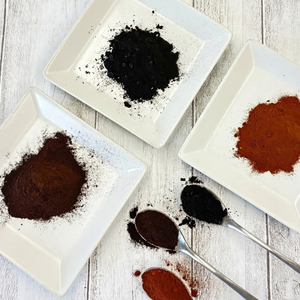
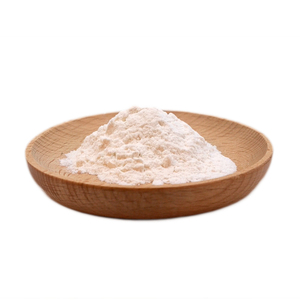
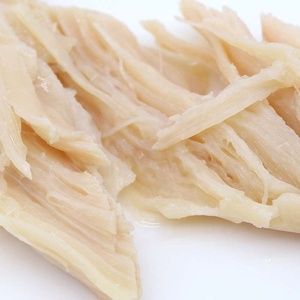
As a global food ingredient manufacturer and consolidation partner handling 3,000+ functional raw materials, we provide full order consolidation, low minimum order quantities (MOQs), and guaranteed on-time shipment. Explore our recommended raw materials and functional additives below:

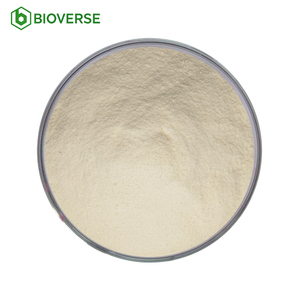
Citric acid anhydrous (CAS Registry Number 77-92-9; IUPAC Name 2-hydroxypropane-1,2,3-tricarboxylic acid) represents one of the most critical tricarboxylic organic acids produced globally via deep-tank submerged microbial fermentation. As a premier CE Certified Citric Acid Anhydrous Manufacturer & Exporter, our manufacturing ecosystems synthesize high-purity crystalline organic acid derived from carbohydrate feedstocks such as non-GMO corn starch and sugar beet molasses using optimized strains of Aspergillus niger.
Unlike Citric Acid Monohydrate (which incorporates one water molecule per crystal lattice unit, formula C₆H₈O₇·H₂O), Citric Acid Anhydrous (C₆H₈O₇) is crystallized under high-temperature thermal conditions (above 36.6 °C) to eliminate bound moisture. This yields a water-free crystalline structure with a moisture content non-exceeding 0.5% by weight. For industrial formulation scientists, food technologists, and pharmaceutical procurement executives, anhydrous citric acid provides unparalleled acidulation potential, thermodynamic stability, accurate dry blending stoichiometry, and zero moisture introduction into hygroscopic formulations.
Procuring raw materials from global markets often subjects chemical buyers to high Minimum Order Quantities (MOQs), extended maritime freight transit delays, regulatory documentation mismatches, and fragmented vendor communication. Building upon proven distribution excellence—mirroring established US logistics networks rooted in Pennsylvania and New Jersey—our enterprise model resolves these procurement bottlenecks:
Consolidate your Citric Acid Anhydrous orders alongside hydrocolloids, emulsifiers, starches, and preservatives. Eliminate multi-vendor tracking overhead and reduce accounts payable processing fees.
Avoid locking up working capital in full-vessel minimums. We support flexible pallet-level, LCL, and FCL shipments staged through local distribution centers to protect shelf-life and cash flow.
Every batch undergoes strict analytical testing. Fully certified for European Economic Area (CE marking equivalent for chemical safety), ISO 9001:2015, ISO 22000, Kosher, Halal, and FDA GRAS.
Our Citric Acid Anhydrous is manufactured under rigid GMP guidelines to satisfy food (FCC/E330), pharmaceutical (USP/BP/EP), and industrial grade criteria. Review the baseline Certificate of Analysis (CoA) parameters detailed below:
| Parameter / Specification | USP / FCC / EP Test Standard | Analytical Results Range | Function & Application Significance |
|---|---|---|---|
| Chemical Name | 2-hydroxypropane-1,2,3-tricarboxylic acid | Pure Anhydrous Base | Core active organic acidifying agent |
| CAS Registry Number | 77-92-9 | 77-92-9 | Universal chemical identifying index |
| Assay (Purity Basis) | Titrametric Volumetry | 99.5% – 100.5% (Dry Basis) | Ensures precise acid strength and buffering capacity |
| Water Content (Karl Fischer) | USP <921> / EP 2.5.12 | ≤ 0.5% Max | Prevents clumping & caking in dry powder blends |
| Granulation / Mesh Size | Analytical Sieve Testing | 12-40 Mesh Granular / 30-100 Fine | Optimizes dissolution kinetics & flowability |
| Heavy Metals (as Pb) | ICP-MS Spectrometry | ≤ 5 mg/kg (ppm) | Exceeds international food & pharma safety limits |
| Oxalate Content | Enzymatic / Ion Chromatography | ≤ 100 mg/kg (ppm) | Prevents cloudiness or undesirable precipitation |
| Sulfated Ash / Residue | Gravimetric Ignition | ≤ 0.05% | Indicates absolute mineral purity and zero bio-slag |
Our technical application team assists R&D formulators with sample validation, mesh size selection, and batch stability protocols.
Contact UsThe global citric acid market—valued at over USD 3.6 Billion—is undergoing significant structural transformations driven by volatile energy markets, shipping corridor shifts, decarbonization mandates, and tightening European chemical directives. Procurement directors must navigate four macro-trends over the next half-decade:
European Union Carbon Border Adjustment Mechanisms (CBAM) are forcing industrial bio-manufacturers to transition from coal-fired steam generation to zero-carbon biomass and solar energy. Future export contracts will mandate Scope 1, 2, and 3 carbon footprint disclosures per metric ton of acid produced.
Supply chain disruptions along the Suez and Panama canals have highlighted the vulnerability of single-origin sourcing. World-class food manufacturers are adopting "1+1 regional supply frameworks"—combining high-volume Asian production with local warehouse safety stocks in regional hubs like Pennsylvania, New Jersey, and Western Europe.
With global ocean freight priced on volumetric weight ratios, multinational buyers are increasingly phasing out Monohydrate citric acid in favor of Anhydrous grades. Shipping Anhydrous saves approximately 8.5% in freight costs per unit of pure acid by eliminating the transport of crystallographic water molecules.
Advanced bio-chemical engineering is rapidly elevating the production standards of Citric Acid Anhydrous. Key technical developments reshaping factory floors include:
Due to its tri-carboxylic chemistry, strong metal chelating ability, and clean acid taste profile, Citric Acid Anhydrous plays a critical functional role across diverse commercial sectors:
Functions as a tartness enhancer, pH regulator, and natural preservative in carbonated beverages, RTD teas, jellies, candies, and sauces. In baking, it acts as a dough conditioner when paired with sodium bicarbonate for carbon dioxide release.
Critical effervescent component in dissolving tablets, vitamin powders, and oral suspensions. Acts as an anticoagulant by chelating calcium ions in blood plasma processing and stabilizes active pharmaceutical ingredients (APIs).
Functions as an Alpha Hydroxy Acid (AHA) in skincare applications, regulating skin pH, assisting skin peeling, and acting as an antioxidant stabilizer in hair shampoos, bath bombs, and lotions.
Replaces harsh mineral acids in eco-friendly descaling agents for industrial boilers, heat exchangers, and reverse osmosis membranes. Safely chelates iron, calcium, and magnesium scale deposits.
Used in premium pet foods and livestock feed as an acidifier to optimize intestinal microflora, enhance nutrient absorption, and extend product shelf-life by inhibiting bacterial growth.
Serves as a formaldehyde-free crosslinking agent in textile finishing and acts as a setting retarder in gypsum, concrete, and mortar formulations to extend workability timing.
Answers to common technical, logistics, and quality assurance questions asked by chemical buyers and R&D engineers prior to contracting bulk supply:
Navigating international trade dynamics requires robust logistics infrastructure. Backed by regional distribution hubs and global freight partnerships, our export division guarantees uninterrupted material delivery:
Strategically positioned inventory enables expedited dispatch. Regional orders within North America and Europe can be fulfilled within 48 to 72 hours, insulating production plants against line-stoppages.
Every container shipped includes a complete export documentation bundle: Certificate of Analysis (CoA), Bill of Lading, Commercial Invoice, Packing List, Country of Origin Certificate, Health Certificate, and Safety Data Sheets (SDS) in multiple languages.
We welcome third-party facility audits by accredited registrars (SGS, Intertek, Bureau Veritas) and customer quality control teams to verify batch consistency, sanitation protocols, and ethical labor standards.
Contact our sales engineers and global export representatives today for technical consultations, customized volume pricing, safety data sheets, and sample dispatch.
Contact Us