Explore our audited catalog of raw ingredients, natural pigments, hydrocolloids, and botanical extracts managed under standardized European quality protocols.

In the modern food processing architecture, chemical ingredient safety, purity, and regulatory traceability are critical components of consumer health and brand integrity. When sourcing CE certified food grade chemicals, global procurement teams must navigate complex regulatory environments across European Union standards (EU Regulation EC 1333/2008 on food additives and EC 1935/2004 on materials in contact with food) alongside United States FDA 21 CFR standards. CE certification in food chemical processing represents a stringent audit framework ensuring processing equipment, chemical synthesized additives, and extraction media adhere to standardized safety metrics, preventing cross-contamination and hazardous by-products.
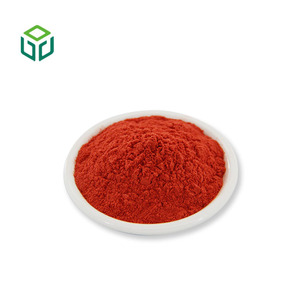
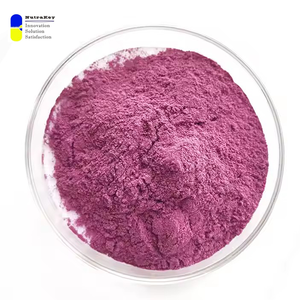
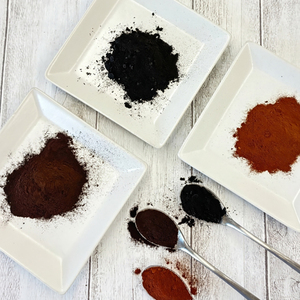
Industrial ingredient sourcing requires an end-to-end audit mechanism. High-purity food colorants such as Paprika Red Capsanthin Powder (CAS 465-42-9) or Purple Sweet Potato Anthocyanin Dyes require advanced spectrophotometric assays and High-Performance Liquid Chromatography (HPLC) verification to guarantee bio-active stability, batch color intensity (E1% 1cm value), and shelf life predictability during thermal processing.
Multi-stage verification incorporating HPLC, GC-MS, and ICP-MS testing to safeguard against heavy metals, residual solvents, and micro-contaminants.
Complete regulatory dossiers including Certificate of Analysis (CoA), Allergen Statements, Non-GMO verification, and ISO 22000 / HACCP documentation.
Strategic order consolidation with low minimum order quantities (MOQs) to reduce working capital locks and minimize warehousing decay.
Modern food and beverage manufacturers face persistent supply chain friction: supplier fragmentations, erratic shipping schedules, high freight costs, and demanding Minimum Order Quantities (MOQs) imposed by primary chemical synthesizers. Integrating a centralized supply partner solves these structural inefficiencies.
By leveraging an expansive catalog of over 3,000 food ingredients sourced from hundreds of verified international producers, enterprise procurement teams can transition from managing dozens of individual vendors to executing a single consolidated purchase order. This approach delivers key enterprise benefits:
| Ingredient Category | Primary Functional Role | Compliance & Quality Metrics | Target Applications |
|---|---|---|---|
| Natural Pigments & Colorants (Paprika Red, Anthocyanins, Caramel) | Visual appeal, thermal-stable natural dyeing, synthetic azo dye replacement | CAS Registered, E1% 1cm Color Value, Heavy Metals < 10ppm, Zero Artificial Additives | Beverages, Confectionery, Meat Coatings, Dairy, Bakery |
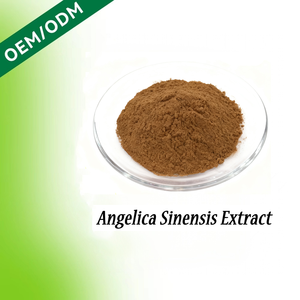
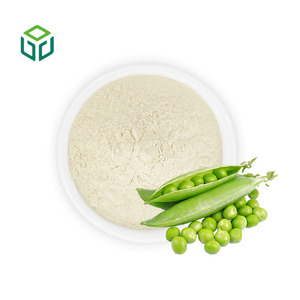
| Botanical Extracts & Actives (Angelica Sinensis, Pea Sprout Isolates) | Nutraceutical fortification, bio-active supplementation, clean-label protein enrichment | 80% Protein Isolate, HPLC Active Quantification, Pesticide-Free, Non-GMO | Dietary Supplements, Functional Beverages, Wellness Foods |
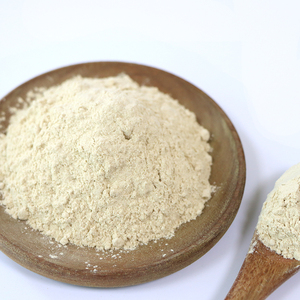
| Hydrocolloids & Texturizers (Food Grade Indian Guar Gum) | Viscosity control, emulsion stabilization, moisture retention, ice crystal inhibition | 200 Mesh Fine Powder, High Viscosity (5000+ cPs), Microbiological Purity Certified | Sauces, Dressings, Frozen Desserts, Gluten-Free Bakery |
| Dehydrated Ingredients (Garlic Powder AD 100 Mesh) | Savory flavor enhancement, natural preservation, batch consistency | Air Dried (AD), 100 Mesh Granulation, Low Moisture (<6%), Zero Irradiation Irregularities | Prepared Meals, Spice Blends, Soups, Processed Meats |
Key technological innovations, sustainability shifts, and regulatory drivers transforming chemical ingredient procurement over the next decade.
Global regulatory agencies are tightening bans on synthetic colorants like Allura Red (FD&C Red No. 40) and Titanium Dioxide (E171). Industrial buyers are accelerating transitions toward CE-certified natural alternatives such as high-anthocyanin Purple Sweet Potato dye, Capsanthin paprika extracts, and heat-stabilized Caramel colors. Modern extraction techniques now yield natural pigments that match synthetic heat and pH stability profiles.
Advanced botanical extracts (e.g., Angelica Sinensis Extract) and sensitive phytonutrients are increasingly processed using spray-drying microencapsulation. Enclosing active molecules within specialized food starch or hydrocolloid matrices protects sensitive active compounds against oxidative degradation, masks bitter botanical off-notes, and allows targeted release in gastrointestinal applications.
The move toward sustainable nutrition has increased demand for functional plant protein isolates, such as 80% Organic Pea Sprout Extract Protein. Precision fermentation and enzymatic modification optimize solubility, emulsification, and gelation properties, allowing plant proteins to perform efficiently in plant-based dairy, meat analogs, and nutraceutical powders.
Global food chemical buyers increasingly require real-time batch validation. Digital CoA verification, automated compliance checks, and blockchain batch tracking ensure every lot of food-grade chemical or natural hydrocolloid carries an unalterable audit trail from farm harvest or chemical synthesis through final customer delivery.
Built for purchasing directors, operations executives, and product development scientists requiring zero supply chain friction.
Managing direct supply lines with dozens of specialized raw material producers creates administrative burden, receiving bottlenecks, and inventory risk. Our consolidated supply model acts as a single strategic contact point. We handle supplier qualification, sample coordination, specification alignment, and regional freight logistics.
From start-up food brands scaling up initial commercial runs to multi-facility enterprise manufacturers requiring redundant supply lines, our flexible ordering programs protect operating cash flow without compromising regulatory compliance.
Speak directly with our technical sourcing specialists to review ingredient specifications, request batch CoA documentation, or coordinate sample kits.
Answers to common questions from technical directors, quality assurance managers, and global sourcing teams.
While the traditional CE mark applies primarily to machinery and equipment within the European Economic Area (EEA), "CE Certified" in food chemical processing denotes that both the chemical additives and the manufacturing/processing systems comply with strict European Health, Safety, and Environmental protection standards (such as EC 1333/2008 and EC 1935/2004). This ensures zero hazardous chemical residues, compliance with heavy metal thresholds, and adherence to certified Good Manufacturing Practices (GMP).
Order consolidation allows manufacturers to combine multiple functional ingredients—such as hydrocolloids, natural pigments, botanical extracts, and dehydrated vegetables—into a single purchase order and single shipment. This reduces LTL (Less-Than-Truckload) freight rates, lowers administrative overhead in accounts payable, decreases customs clearing charges, and minimizes warehouse receiving friction.
Yes. Primary ingredient manufacturers typically enforce multi-ton MOQs that tie up working capital and create stock degradation risks. By buying in volume and stocking material in our regional distribution network, we allow food manufacturers to order formulation-exact quantities (e.g., single 25kg drums of Capsanthin powder or 100-mesh garlic powder), matching your actual production runs.
Every shipment is backed by complete technical documentation, including a lot-specific Certificate of Analysis (CoA), Safety Data Sheet (SDS), Allergen Breakdown, Non-GMO Statement, Heavy Metal & Microbiological Analysis, Kosher/Halal Certifications where applicable, and regulatory compliance statements for EU and FDA applications.
Natural pigments like Capsanthin Paprika Red and Sweet Potato Anthocyanins undergo specialized standardized formulation—often utilizing natural antioxidants (such as Tocopherols or Ascorbic Acid) or carrier matrices (like food-grade dextrins or emulsifiers)—to ensure color density and thermal stability during high-temperature short-time (HTST) pasteurization and extrusion processing.
We supply a wide range of processing sectors, including Bakery, Beverage & Liquid Refreshment, Meat/Poultry/Fish Processing, Confectionery & Chocolates, Soups/Sauces/Dressings, Prepared Frozen Meals, Dairy & Ice Cream, Nutritional Supplements, and Pet Food Manufacturing.
Access over 3,000 CE-compliant food ingredients, lower your minimum order quantities, and consolidate your supply chain with a trusted distribution partner.
