Explore our core portfolio of certified food-grade sodium, potassium, calcium, and ammonium phosphates engineered for precision pH buffering, moisture retention, and mineral fortification.
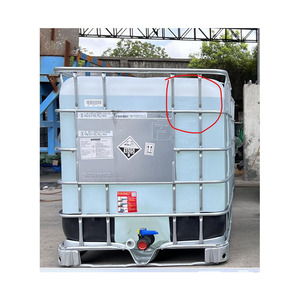
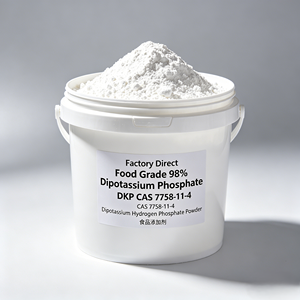
Bridging Tier-1 Global Phosphate Manufacturers with Food Processing Excellence.

In the highly regulated food manufacturing sector, securing consistent quality food-grade phosphates requires more than just vendor sourcing; it demands absolute technical transparency, regulatory alignment, and robust supply chain resilience. As an authorized sourcing partner and distributor handling over 3,000 active ingredients, Essex Food Ingredients eliminates sourcing friction for food processors across North America and global export markets.
An In-Depth Analysis of Molecular Mechanisms in Meat Processing, Bakery Leavening, Dairy Stabilization, and Beverage Formulation.
Phosphates establish stable micro-pH environments within complex food matrices. Salts such as Monosodium Phosphate (MSP, pH ~4.5) and Dipotassium Phosphate (DKP, pH ~9.0) allow formulators to dial in target equilibrium, preventing protein denaturation in UHT dairy beverages, thermal processing systems, and nutritional shakes.
In meat, poultry, and seafood processing, condensed phosphates (such as Sodium Tripolyphosphate STPP and Pyrophosphates) dissociate actin-myosin complexes. By shifting the ionic strength and raising protein pH above the isoelectric point, water retention capacity (WBC) increases dramatically, reducing cook loss and drip loss.
Acidic polyphosphates like Sodium Acid Pyrophosphate (SAPP) and Monocalcium Phosphate (MCP) react with sodium bicarbonate at defined rates (Rate of Reaction - ROR). This controlled carbon dioxide release controls dough expansion, crumb texture, and volume in industrial bakery production lines.
| Compound Name | CAS Number | E-Number | Assay Purity | Primary Functional Role | Key Industrial Applications |
|---|---|---|---|---|---|
| Phosphoric Acid 85% / 75% | 7664-38-2 | E338 | 75.0% – 85.5% | Acidulant, pH regulator, catalyst | Cola beverages, cheese processing, beer brewing |
| Dipotassium Phosphate (DKP) | 7758-11-4 | E340(ii) | ≥ 98.0% | Coffee creamer stabilizer, mineral source | Non-dairy creamers, UHT milk, electrolyte drinks |
| Dicalcium Phosphate Dihydrate (DCP) | 7789-77-7 | E341(ii) | 98.0% – 103.0% | Nutritional calcium supplement, dough builder | Infant formula, breakfast cereals, nutritional tablets |
| Dicalcium Phosphate Anhydrous | 7757-93-9 | E341(ii) | ≥ 97.0% | High-density calcium fortifier, anti-caking | Flour fortification, vitamin premixes, pharma tableting |
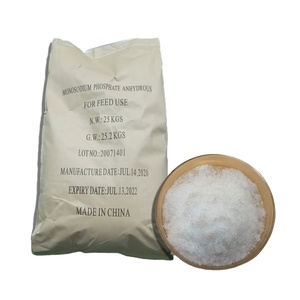
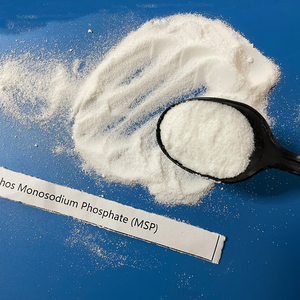
| Monosodium Phosphate (MSP) | 7558-80-7 | E339(i) | ≥ 98.0% | Acidic buffer, sequestrant, emulsifier salt | Evaporated milk, animal feeds, baking powders |
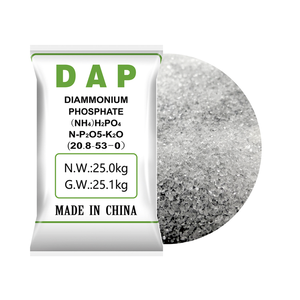
| Diammonium Phosphate (DAP) | 7783-28-0 | E342 | ≥ 99.0% | Yeast nutrient, fermentation accelerator | Industrial winemaking, brewing, ethanol fermentation |
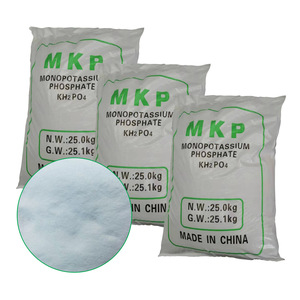
| Monopotassium Phosphate (MKP) | 7778-77-0 | E340(i) | ≥ 98.0% | Sodium-free buffer, nutrient support | Sports nutrition, low-sodium savory bases, pet food |
Strategic Procurement Insights into Evolving Regulatory Standards, Clean Label Reformulation, and Sustainable Production.
With global regulatory bodies (FDA, EFSA, WHO) intensifying sodium reduction mandates across processed foods, procurement directors are aggressively shifting from traditional sodium polyphosphates to potassium equivalents like Dipotassium Phosphate (DKP) and Monopotassium Phosphate (MKP). This trend preserves functional water-binding capacity while delivering clean nutritional panels supporting "Heart Healthy" and "Low Sodium" claims.
Next-generation industrial bakeries are adopting lipid-coated micro-encapsulated phosphates (such as encapsulated SAPP and MCP). Encapsulation prevents premature acid-base reactions during mixing and high-shear processing, initiating gas release strictly within defined oven temperature zones. This yields consistent cell structure, higher volume, and extended finished product shelf life.
Supply chain transparency is no longer optional. Enterprise buyers require tier-1 direct manufacturer traceability, REACH compliance for European imports, and full CE-grade compliance under Regulation (EC) No 1333/2008. Ensuring complete absence of heavy metals (Lead, Arsenic, Cadmium, Mercury) and fluorine residues is paramount for maintaining global brand protection.
The environmental footprint of food phosphate production has become a primary supplier evaluation criterion. Advanced chemical manufacturers are adopting closed-loop Purified Thermal Processes (PTP) and wet-process solvent extraction systems that reduce energy consumption by up to 35% while eliminating gypsum waste streams. As carbon boundary adjustments take effect, sourcing low-carbon, CE-certified food phosphates ensures both ecological compliance and long-term price stability for food enterprise procurement networks.
Direct Answers to Technical Specifications, Logistics, Regulatory Certification, and Order Consolidation.
Talk to our technical sales engineers and procurement experts to request custom quotes, COAs, or formulation samples for your production line.