The global demand for industrial palm oil derivatives—encompassing Refined, Bleached, and Deodorized (RBD) Olein, RBD Stearin, and specialized Palm Kernel Oil (PKO) fractions—continues to evolve rapidly under tightening international regulatory mandates and changing consumer preferences. As enterprise food processors, commercial bakeries, oleochemical manufacturers, and food service conglomerates scale global procurement, the emphasis has shifted dramatically toward securing verified compliance, structural supply chain resilience, and precise functional specifications.
Securing a CE certified palm oil bulk supplier guarantees that bulk shipments align with rigorous quality, health, safety, and operational standards required across European and international markets. Compliance goes beyond simple regulatory documentation; it reflects structured risk mitigation spanning chemical purity (monitoring 3-MCPD and GE esters), oxidation metrics (Peroxide Value and Anisidine Value), and physical integrity across the bulk logistics journey.
Information Gain Insight: Modern enterprise procurement teams no longer select palm oil suppliers solely on FOB base pricing. Strategic procurement balances Solid Fat Content (SFC) thermal behavior, oxidative stability index (OSI), zero-trans-fat emulsification potential, and verifiable deforestation-free origin metrics under EU Regulation 2023/1115 (EUDR).
Global Supply Dynamics: Crude Palm Oil vs. Refined Fractions
Palm oil (derived from Elaeis guineensis) offers an exceptionally balanced fatty acid composition—roughly 50% saturated, 40% monounsaturated, and 10% polyunsaturated fatty acids. This unique biochemical profile provides natural semi-solid functionality at ambient temperatures without requiring industrial partial hydrogenation. Consequently, palm oil serves as the cornerstone for clean-label, trans-fat-free food formulation worldwide.
Industrial refining fractionates crude palm oil (CPO) into two primary liquid and solid fractions via controlled thermo-crystallization:
RBD Palm Olein: The liquid fraction obtained by fractionation of palm oil after crystallization at controlled temperatures. High in oleic acid, it exhibits high resistance to thermal oxidation, making it the premier choice for commercial continuous deep frying, snack food production, and table oils.
RBD Palm Stearin: The solid fraction separated during crystallization. Rich in palmitic acid, stearin provides structural hardness, plasticity, and crystal formation necessary for shortenings, margarines, cocoa butter equivalents (CBE), and specialized bakery fats.
To optimize product performance in frying lines, confectionery enrobing, or bakery dough lamination, R&D formulators must evaluate critical physical and chemical parameters. The matrix below outlines key analytical benchmarks for CE certified bulk palm oil fractions:
In accordance with strict European Food Safety Authority (EFSA) regulations and CE quality guidelines, modern palm refining facilities implement low-heat, multi-stage deodorization alongside enzymatic pretreatment to suppress the formation of 3-monochloropropane-1,2-diol (3-MCPD) fatty acid esters and glycidyl fatty acid esters (GE). Premium food-grade bulk supplies maintain GE levels below 1,000 µg/kg and 3-MCPD levels below 1,250 µg/kg, safeguarding food safety across infant nutrition, bakery formulations, and processed foods.
As the international food industry pivots toward sustainable sourcing, carbon neutrality, and advanced functional lipid engineering, purchasing managers must align with long-term macroeconomic and technological trends:
Full EUDR Compliance & Geolocation
Satellite polygon mapping tracking palm fruit bunches (FFB) directly back to smallholder plantations, providing 100% deforestation-free certification required for European market entry.
Enzymatic Interesterification
Replacing chemical catalysts with enzymatic interesterification (EIE) to produce custom melt-profile fats for margarines without generating trans-fatty acids or chemical residues.
Clean-Label Emulsifier Synergy
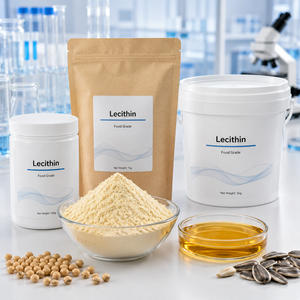
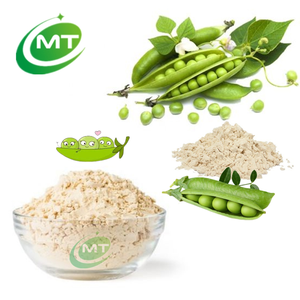
Combining specialized palm stearin fractions with natural emulsifiers (such as Non-GMO Soy Lecithin and Pea Protein concentrates) to replace synthetic mono- and diglycerides in dough systems.
Managing raw ingredient supply chains requires overcoming fragmented vendor networks, fluctuating ocean freight tariffs, unpredictable lead times, and stringent minimum order quantities (MOQs). Leveraging an established, multi-category distribution model—modeled after industry leaders like Essex Food Ingredients—enables purchasing operations to consolidate complex procurement channels into a streamlined, high-reliability workflow.
The Power of Single-Purchase-Order Consolidation
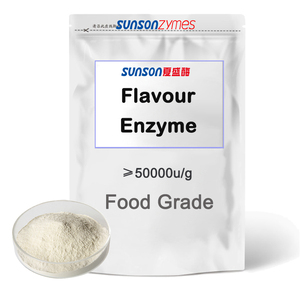
Instead of executing separate supply contracts with individual refineries for palm oil, lecithin suppliers for emulsifiers, starch manufacturers, and enzyme producers, food manufacturers can aggregate their entire bill of materials under One Purchase Order. This structural consolidation delivers immediate tactical advantages:
Reduced Working Capital Lockup: Purchase customized flexitank, IBC tote, or 20kg carton volumes tailored to immediate production schedules rather than absorbing full refinery bulk vessel MOQs.
On-Time, In-Full (OTIF) Regional Replenishment: Strategically positioned regional warehousing and cold-chain infrastructure ensure predictable 24-to-48-hour delivery lead times, eliminating factory line stoppages.
Cross-Category Technical R&D Support: R&D formulators gain access to application specialists capable of troubleshooting fat bloom, moisture migration, emulsion stability, and oxidation kinetics.
Single-Point Quality Documentation: Receive fully matched Certificates of Analysis (COA), Kosher/Halal validations, RSPO Supply Chain Certifications, and CE documentation package under a unified compliance channel.
Frequently Asked Questions (FAQ) for Enterprise Procurement
Essential answers regarding CE certification, bulk packaging, quality assurance, and global logistics for palm oil and functional food ingredients.
What does CE certification signify for bulk palm oil exports?
▼
CE certification and compliance confirm that the bulk palm oil manufacturing, refining, storage, and export processes adhere strictly to mandatory European quality, consumer protection, health, safety, and environmental standards. It confirms full traceability, strict controls over chemical contaminants (such as 3-MCPD, GE, heavy metals, and PAHs), hygienic stainless-steel shipping vessel standards, and verified HACCP/ISO food safety protocols throughout transit.
Which bulk packaging formats are available for international export?
▼
Bulk palm oil and palm fractions are supplied in multiple versatile packaging formats designed for small, medium, and industrial scales:
Flexitanks / Flexibags (20-foot container): 21,000 to 24,000 Liters for high-volume liquid olein.
Intermediate Bulk Containers (IBC Totes): 1,000 Liters (heated or standard totes).
Steel / HDPE Drums: 190 kg / 200 kg capacity for specialized food processing lines.
Bag-in-Box / Cartons: 20 kg cartons with inner polyethylene liners, ideal for solid stearin, shortenings, and bakery fats.
Bulk Parcel Tankers: Direct vessel shipments (3,000 to 10,000+ Metric Tons) for refinery-to-refinery transfers.
How is oxidative degradation prevented during long-distance maritime transport?
▼
Oxidative rancidity is controlled using a multi-barrier quality protocol: nitrogen blanketing during tank loading to displace dissolved oxygen, addition of food-grade antioxidants (such as natural mixed tocopherols or ascorbyl palmitate upon request), precise temperature management in heated vessels (maintaining pumping temperatures between 40°C and 55°C without thermal degradation), and utilizing food-grade stainless-steel or specialized coated tank containers.
Can I order smaller quantities alongside other functional ingredients?
▼
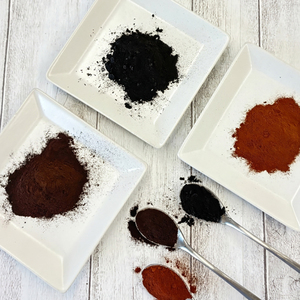
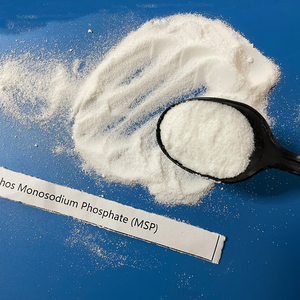
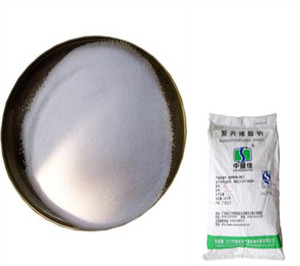
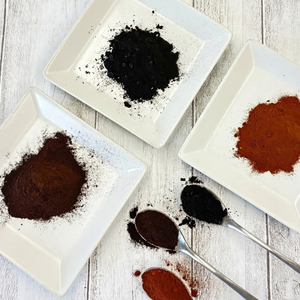
Yes. By leveraging an order consolidation supply network, buyers are not required to purchase full container loads of a single commodity. You can consolidate pallets of 20kg palm oil cartons, soy lecithin emulsifiers, pea protein powders, caramel colorants, and food phosphates into a single shipment under one purchase order.
What RSPO (Roundtable on Sustainable Palm Oil) sustainability options are provided?
▼
We provide full RSPO-certified supply chain models including RSPO Identity Preserved (IP), RSPO Segregated (SG), and RSPO Mass Balance (MB). All supply chains include full supply chain documentation to assist enterprise brands in fulfilling their corporate social responsibility (CSR) and ESG transparency goals.
How do R&D formulators request technical samples and specifications?
▼
Technical sample requests, comprehensive Certificates of Analysis (COA), safety data sheets (SDS), and detailed fatty acid breakdown spec sheets can be coordinated directly through our technical sales representative team. Simply click the inquiry button to specify your target application (e.g., continuous deep frying, spray drying, or bakery shortening formulation).
Optimize Your Bulk Palm Oil & Ingredient Supply Chain Today
Speak with our senior procurement specialists and food technologists to request commercial pricing, technical specification sheets, RSPO certification verification, or sample shipments.