Xanthan gum (CAS No. 11138-66-2, E415) is a high-molecular-weight extracellular heteropolysaccharide produced via submerged aerobic fermentation of glucose or sucrose by the bacterium Xanthomonas campestris. Recognized globally as an indispensable rheology modifier, stabilizer, and emulsification aid, high-purity Xanthan Gum powder exhibits unparalleled pseudoplastic (shear-thinning) fluid dynamics, structural thermal stability, and broad pH resilience ranging from 2.0 to 12.0.
As modern food processing, pharmaceutical manufacturing, personal care formulations, and industrial energy extraction demand tighter quality tolerances, securing a direct manufacturing partner capable of supplying CE Certified Xanthan Gum Powder becomes a core competitive advantage. CE Certification, aligned with stringent European Union safety, health, and environmental protection standards (EC Regulation 1333/2008 and EU 231/2012), confirms that our manufacturing facility adheres to strict analytical testing parameters, low heavy-metal thresholds, verified pyruvate assay standards, and rigorous microbiological control.
The molecular backbone of Xanthan gum consists of β-(1→4)-D-glucan cellulose units identical to natural cellulose, with side chains composed of two D-mannose units and one D-glucuronic acid unit attached to alternate glucose residues. This complex trisaccharide side chain confers exceptional steric shielding, rendering the polymer immune to enzymatic degradation by common cellulases and highly stable in high-ionic-strength salt solutions (such as brine containing up to 20% NaCl).
Information Gain Insight: Unlike standard galactomannans (such as Guar Gum or Locust Bean Gum), Xanthan Gum undergoes an order-disorder conformational transition in solution. At low temperatures or elevated ionic strengths, it adopts a rigid, helical tertiary structure that effectively traps water molecules, generating significant yield stress at rest while dropping viscosity dramatically under low shear force.
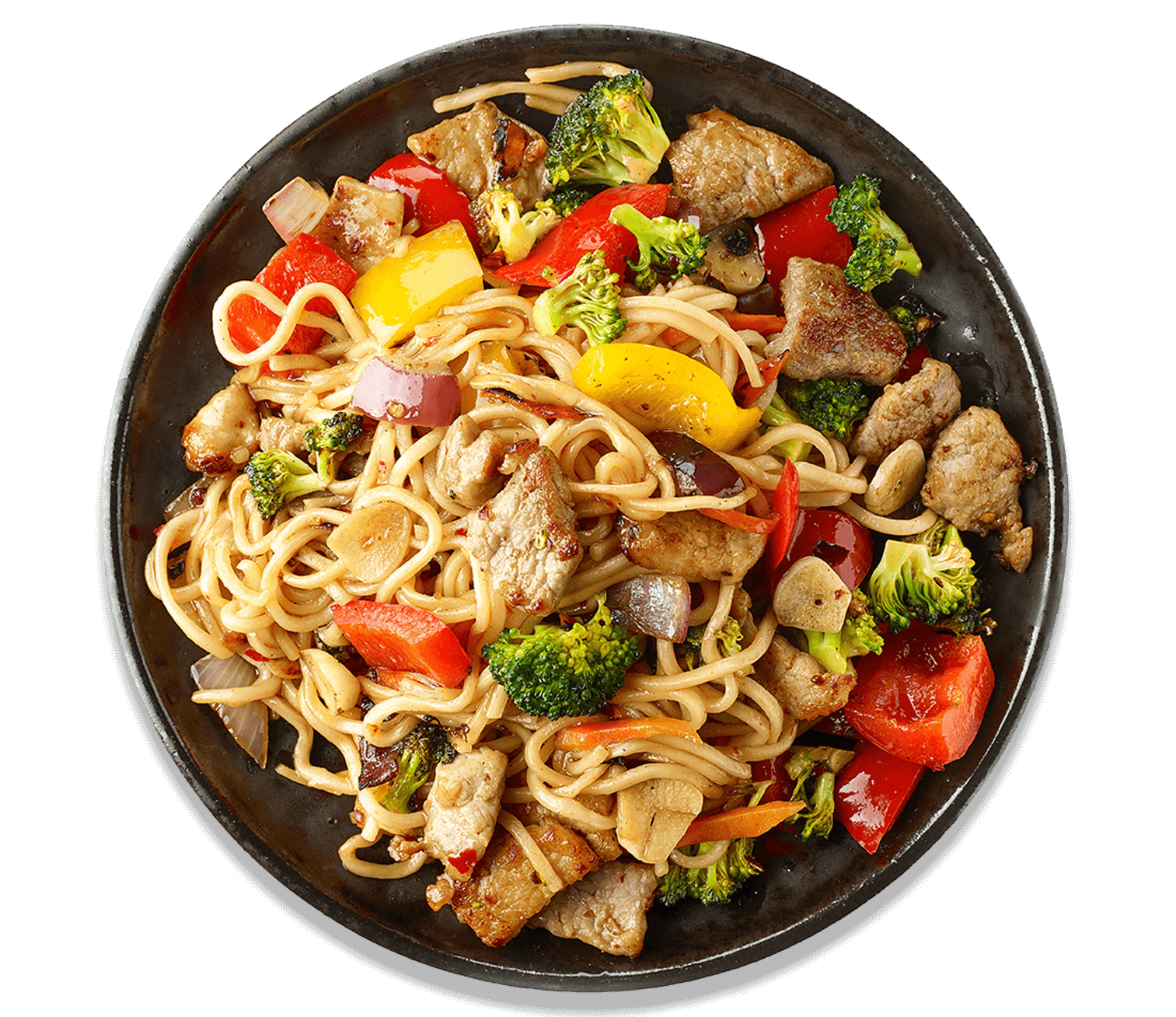
In thermal food processing and continuous manufacturing lines—such as savory gravies, noodle dough matrices, frozen meals, and emulsified sauces—controlling water activity and maintaining suspended particulates requires precise yield stress values. Our CE Certified Xanthan Gum ensures consistent batch-to-batch hydration rates without lumps, preventing phase separation, syneresis, and thermal breakdown during retort pasteurization or UHT sterilization.
When combined with native or modified starches, hydrocolloid networks show synergistic viscosity enhancements, permitting up to a 25% reduction in total binder dosage while maintaining optimal mouthfeel and freeze-thaw stability.
Selecting the optimal Xanthan Gum powder grade requires matching particle size mesh, solution clarity, hydration velocity, and application-specific purity requirements. Our integrated factory production lines offer five specialized grades tailored to diverse B2B procurement needs:
Primary Applications: Bakery, salad dressings, sauces, meat processing, canned pet foods.
Provides robust pseudo-plastic viscosity, excellent acid/salt resistance, and reliable particle suspension. Hydrates smoothly under moderate high-shear mixing.
Viscosity (1% KCl): 1,200 – 1,600 cPs
Get a QuotePrimary Applications: Instant drink mixes, dry seasoning blends, pharmaceutical syrups, fast-hydration batters.
Ultra-fine particle distribution allows rapid cold-water hydration without fisheyes. Ideal for dry blend formulations requiring quick thickening.
Viscosity (1% KCl): 1,300 – 1,700 cPs
Get a QuotePrimary Applications: Clear beverages, syrups, cosmetics, personal care gels, eye drops.
Refined via advanced enzyme filtration processes to eliminate insoluble fermentation residues. Delivers >92% light transmittance in 1% aqueous solution.
Transmittance: ≥ 85% - 92%
Get a QuotePrimary Applications: Horizontal directional drilling (HDD), offshore oilfields, workover fluids.
Formulated for high yield point to hole-cleaning ratio. Maintains extreme stability under high thermal shear (BHCT >150°C) and saturated brine environments.
Yield Point: ≥ 15 lb/100ft²
Get a QuotePrimary Applications: Large-scale industrial blending plants, automated dosing systems.
Surface-treated granulate that prevents air-borne dust hazard during bulk handling while preventing clumping in un-agitated hydration tanks.
Dust Level: Zero Airborne Dust
Get a Quote| Parameter Test Item | Food Grade (80/200 Mesh) | High-Clarity Grade | Industrial Oilfield Grade | Test Method Standard |
|---|---|---|---|---|
| Appearance | Cream White Powder | White Fine Powder | Yellow-Brown Powder | Visual inspection |
| Viscosity (1% KCl, 25°C) | 1,200 – 1,600 cPs | 1,400 – 1,800 cPs | ≥ 1,500 cPs | Brookfield LV, 60 rpm, Spindle 3 |
| Loss on Drying (Moisture) | ≤ 13.0% | ≤ 10.0% | ≤ 12.0% | GB 5009.3 / ISO 6496 |
| pH (1% Sol. in H2O) | 6.0 – 8.0 | 6.0 – 8.0 | 6.0 – 8.5 | Potentiometric glass electrode |
| Pyruvic Acid Content | ≥ 1.5% | ≥ 1.5% | N/A | Enzymatic / UV-Vis spectrophotometer |
| Ashes (% Weight) | ≤ 13.0% | ≤ 13.0% | ≤ 15.0% | Gravimetric ignition at 600°C |
| Heavy Metals (as Pb) | ≤ 10 ppm | ≤ 5 ppm | ≤ 20 ppm | ICP-MS Spectrometry |
| Total Plate Count (CFU/g) | ≤ 2,000 | ≤ 500 | N/A | ISO 4833-1 Microbiology |
The global market for biopolymers and hydrocolloids is undergoing structural shifts driven by regulatory tightening, clean-label transparency, energy-cost fluctuations, and geopolitical logistics disruption. B2B procurement leaders must align with suppliers offering forward-looking operational capabilities:
Modern biopolymer facilities are transitioning from fossil-fuel-heated drying towers to integrated bio-gas co-generation systems. Furthermore, using non-GMO corn starch and agricultural side-stream glucose substrates lowers Scope 3 carbon footprints for consumer packaged goods (CPG) brands.
Managing isolated single-ingredient vendors exposes enterprise buyers to stockouts, freight inflation, and complex accounts payable. Strategic partners offering single-PO order consolidation—combining Xanthan Gum with modified starches, plant proteins, caramel colors, and acidulants—radically cut landed costs.
CE Certification now demands full digital traceability back to the fermentation strain batch and raw substrate source. Advanced factories leverage automated NIR (Near-Infrared Spectroscopy) and inline rheometers to guarantee consistent viscosity indices on every shipping pallet.
According to market analysis, global hydrocolloid demand will increase at a CAGR of 5.8% through 2030, driven by the expansion of plant-based meat analogues, clean-label gluten-free formulations, and high-salinity enhanced oil recovery (EOR). Early supplier integration guarantees volume allocations and insulates manufacturers against market volatility.
As consumer preference shifts away from synthetic emulsifiers (such as polysorbates and carboxymethyl cellulose), formulators turn to natural binary gum systems. Combining Xanthan Gum with Galactomannans creates thermo-reversible, elastic gel structures at significantly lower total polymer concentrations.
For example, a 1:1 mixture of Xanthan Gum and Locust Bean Gum forms a strong cohesive gel that retains structure across freeze-thaw cycles, crucial for premium frozen desserts, dairy preparations, and functional plant-based proteins.

To maximize Information Gain, procurement and R&D technical specialists must evaluate how Xanthan Gum interacts under real-world processing stresses. The key physical phenomenon governing Xanthan Gum efficacy is its Yield Stress (τ0)—the minimum force required to initiate flow.
Xanthan Gum solutions closely adhere to the Herschel-Bulkley rheological model:
τ = τ0 + K · (γ)n
Where τ = Shear Stress, τ0 = Yield Value, K = Consistency Index, γ = Shear Rate, and n = Flow Behavior Index (n < 1 for pseudoplastic fluids).
This flow behavior explains why Xanthan Gum functions brilliantly as a suspension agent for heavy particulate matter (such as herb flakes in salad dressings, fruit pulp in juices, or barite in drilling muds). At rest (γ = 0), the yield stress τ0 prevents particulate sedimentation indefinitely. However, during pumping, pouring, or spraying (high shear rate γ), the viscosity drops instantaneously by several orders of magnitude, minimizing pumping power costs and maintaining uniform application spraying patterns.
Building upon the foundational sourcing standards modeled by global ingredient distributors like Essex Food Ingredients, our manufacturing infrastructure bridges raw material production with local operational agility. Buyers benefit from an enterprise-grade distribution network, direct technical support, and flexible batch management.

Strategically positioned regional warehousing guarantees 24-to-48-hour fulfillment to keep your manufacturing lines running without downtime.
Fully compliant with CE, ISO22000, HACCP, Kosher, and Halal certifications. Comprehensive Documentation Packages (COA, MSDS, Allergen, Non-GMO) issued per batch.
Save administrative and shipping expense by pairing hydrocolloid orders with our full 3,000+ ingredient catalog under unified supply agreements.
Answers to common questions asked by procurement directors, quality assurance managers, and R&D food technologists:
Streamline your raw material sourcing, lower landed costs, and secure reliable supply for high-purity hydrocolloid ingredients. Speak with our technical sales team today.
Get a Quote