Directly sourced, laboratory-tested, and dehydrated under strict HACCP & ISO22000 quality systems for global food, beverage, and savory ingredient manufacturers.
In the modern globalized food manufacturing landscape, procuring standardized, high-purity botanical raw materials represents a critical operational lever for shelf-life optimization, clean-label compliance, and sensorial consistency.
As food processing technologies evolve toward high-throughput automated dry-blending and ready-to-eat (RTE) meal packaging, industrial buyers face expanding complexity regarding microbiological limits, particle mesh uniformity, volatile essential oil retention, and heavy metal compliance. China has consolidated its standing as the premier global hub for dehydrated allium species (garlic, onion, scallion) and culinary herb processing (cilantro, parsley, basil, ginger, and mint). Leveraging extensive agricultural origin zones across Shandong, Henan, and Anhui provinces, Chinese manufacturers offer unparalleled economies of scale paired with advanced industrial dehydrating technologies.
This comprehensive industrial guide analyzes the technical benchmarks, formulation performance criteria, quality control frameworks, and future strategic supply chain trends governing China's top dehydrated herb powder manufacturing and export sectors.
The physical and biochemical functionality of botanical powders is dictated by the dehydration mechanism applied immediately post-harvest. Leading Chinese exporters utilize two primary industrial drying methods:
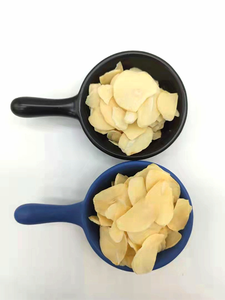
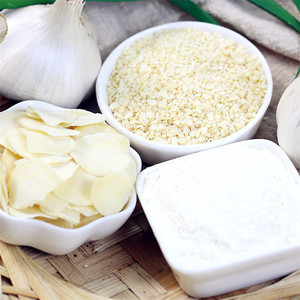
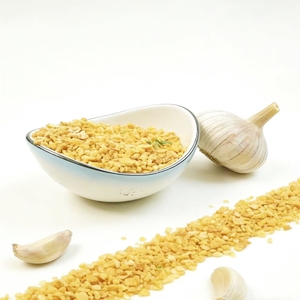
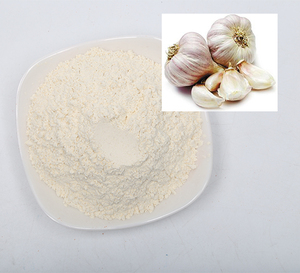
Utilizes continuous multi-stage tunnel dryers operating under carefully controlled temperature ramps (50°C to 75°C). Highly cost-effective for large-volume industrial applications such as garlic powder, onion granules, and fried onion flakes. Preserves structural cell integrity while reducing moisture content to below 6.0%.
Operates via ice sublimation under deep vacuum conditions (-30°C to -40°C shelf temperature). Preserves heat-sensitive bio-actives, vivid chlorophyll pigmentation, and subtle volatile aroma compounds. Ideal for premium culinary herbs (chives, cilantro, mint) and instant noodle seasoning packets.
High-Temperature Short-Time (HTST) dry steam processing achieves up to 5-log pathogen reduction (Salmonella, E. coli, Listeria) without irradiation chemical residues. Ensures strict compliance with EU and US FDA import micro-standards while locking in organoleptic profile.
| Parameters | Dehydrated Garlic Powder | Dehydrated Herb Powder (Parsley/Cilantro) | Testing Method Benchmark |
|---|---|---|---|
| Moisture Content | ≤ 6.0% | ≤ 5.0% - 7.0% | ASTA Method 2.1 / Vacuum Oven |
| Total Ash | ≤ 5.0% | ≤ 8.5% | ISO 928 / Gravimetric |
| Acid Insoluble Ash | ≤ 0.5% | ≤ 1.0% | ASTA Method 4.0 |
| Particle Mesh Size | 80 - 100 Mesh (Customizable 40-120) | 60 - 100 Mesh Fine Powder | US Standard Sieve System |
| Aerobic Plate Count | < 100,000 CFU/g (Unsterilized) / < 10,000 (HTST) | < 50,000 CFU/g (Sterilized) | AOAC 990.12 |
| Salmonella spp. | Negative in 25g / 375g | Negative in 25g / 375g | ISO 6579 / PCR Rapid Test |
| Heavy Metals (Pb/As/Cd) | Pb ≤ 0.5 ppm, As ≤ 0.2 ppm, Cd ≤ 0.2 ppm | EU Regulation 1881/2006 Compliant | ICP-MS Spectrometry |
Navigating global ingredient procurement requires more than transactional purchasing; it demands high-touch supply chain integration, regulatory governance, and inventory risk mitigation.
Building upon decades of specialized distribution expertise, modern supply chain partners act as direct bridges between Chinese agricultural producers and multinational food processing plants across North America, Europe, and the Asia-Pacific region.
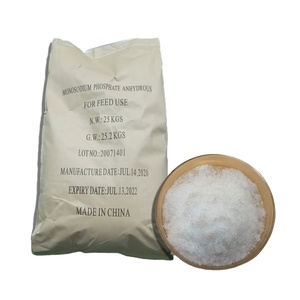
Instead of issuing multiple purchase orders to fragmented overseas suppliers, enterprise buyers can combine dehydrated herb powders, textured vegetable proteins, hydrocolloids, and specialty food phosphates into a single purchase order. This lowers landed freight costs, slashes customs processing friction, and streamlines accounts payable.
By managing regional distribution centers equipped with temperature- and humidity-controlled storage, supply partners absorb overseas ocean freight lead times. Food manufacturers access flexible, lower Minimum Order Quantities (MOQs) tailored to exact production schedules, protecting working capital and maximizing inventory turns.
Partner manufacturing facilities operate under stringent quality management protocols including HACCP, ISO 22000, BRCGS (GFSI benchmarked), Kosher, and Halal certifications. Every production batch undergoes comprehensive pre-shipment COA verification, including pesticide residue screening (LC-MS/MS) and allergen cross-contamination prevention.
Driven by shifting consumer demand for clean-label formulation, sodium reduction, and authentic regional flavor profiles, the global market for dehydrated herb powders is undergoing structural modernization. Procurement directors and R&D teams must align with several emerging trends:
Food formulators are rapidly phasing out anti-caking agents such as silicon dioxide and maltodextrin carriers. The demand for 100% pure, unadulterated herb powders processed through low-temperature micro-milling is growing at over 8.2% CAGR globally.
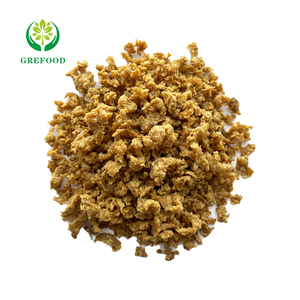
Herb powders are increasingly combined with high-protein plant bases (such as textured pea protein), compound savory pastes, and monosodium phosphate matrices to simulate rich meat mouthfeel in alternative protein applications while reducing added sodium chloride.
Enterprise food brands require farm-to-table digital compliance. Advanced Chinese manufacturers are implementing GAP (Good Agricultural Practices) farm mapping paired with batch-level QR code tracking to verify field locations, pesticide application histories, and harvest dates.
Key answers to technical, logistical, and compliance questions commonly raised by food ingredient buyers and research scientists.
China maintains specialized agricultural belts for key botanical species (such as Shandong garlic and ginger), offering massive economies of scale, stable year-round crop yields, and highly competitive pricing. Furthermore, modern Chinese exporters feature advanced continuous dehydrating infrastructure, HTST steam sterilization, and micro-milling technologies that match or exceed Western technical benchmarks.
Caking is primarily driven by moisture absorption and hygroscopic sugars present in herbs and alliums. Leading manufacturers control moisture levels strictly below 5.0% - 6.0%, utilize aluminum foil moisture-barrier inner lining bags, implement nitrogen flushing during packaging, and recommend storage in climate-controlled environments (temperature < 20°C, relative humidity < 60%).
Yes. Through integrated supply chain partnerships, buyers can consolidate multiple product lines—such as dehydrated garlic powder, textured pea protein, fried garlic granules, and specialized phosphates—into a single purchase order or Full Container Load (FCL), drastically minimizing logistics overhead and MOQ constraints.
Standard commercial exports include a comprehensive batch-specific Certificate of Analysis (COA), Technical Data Sheet (TDS), Safety Data Sheet (SDS), Allergen Statement, Non-GMO Declaration, Microbiological Validation Report, and Phytosanitary Certificate issued by customs authorities.
Exporters utilize validated HTST (High-Temperature Short-Time) dry steam processing systems. This physical treatment exposes the powder to high-pressure steam for seconds, effectively eliminating pathogens like Salmonella and E. coli while preserving color, aroma, and volatile essential oils, without leaving chemical residues or requiring ETO (Ethylene Oxide) radiation.