Explore our enterprise-grade product portfolio engineered for precise formulation, shelf-life stabilization, and high-yield commercial production. All items available for direct container load or consolidated shipment.
Global food and beverage manufacturers face unprecedented volatility in raw material supply chains, inflationary cost pressures, and shifting consumer preferences toward clean-label, functional products. As the world’s primary agricultural processing powerhouse, China has evolved from a bulk commodity supplier into an advanced manufacturing hub for high-precision fruit juice concentrates, plant extracts, hydrocolloids, and specialty savory building blocks.
Securing top-tier industrial fruit juice concentrate manufacturers in China requires understanding the technical parameters that dictate product quality, stability, and taste profiles. Leading Chinese processors utilize multi-stage vacuum evaporation, ultrafiltration, and aseptic cold-filling technologies to produce concentrated juices—such as apple, pear, peach, citrus, and berry concentrates—with standardized Brix levels ranging from 65° to 70°. These concentrates serve as natural sweetening bases, flavor foundations, and acid-balancing components across beverage bottling, bakery filling, confectionery, and dairy applications globally.
The transformation of fresh fruit into high-density industrial concentrate involves rigorous thermal and mechanical processing protocols designed to preserve essential volatiles while maximizing shelf life:
Custom blending of single-strength and concentrated juices to achieve exact Brix-to-Acid ratios (BAR) tailored to specific beverage profiles.
Full QR-code lot traceability from orchard harvest through pressing, concentration, microbial screening, and export dispatch.
Compliance with global food safety standards including FSSC 22000, BRCGS, Halal, Kosher, and USDA Organic certifications.
Modern food formulation rarely relies on a single ingredient. Industrial juice concentrates are frequently combined with hydrocolloids (like Carrageenan), flavor enhancers (such as dehydrated garlic powder), and functional emulsifiers to build complex mouthfeel, texture, and taste structures. Below is a technical breakdown of essential ingredients sourced in tandem with fruit concentrates:
| Ingredient Category | Key Technical Specifications | Primary Industrial Function | Typical Application Segments |
|---|---|---|---|
| Fruit Juice Concentrates | Brix: 65.0° - 70.0° Acidity: 0.5% - 3.5% Clarity: >95% Transmittance |
Natural Sweetener, Acidulant Base, Fruit Flavor Foundation | Beverages, Fruit Snacks, Bakery Fillings, Jams & Jellies |
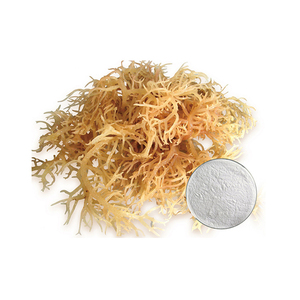
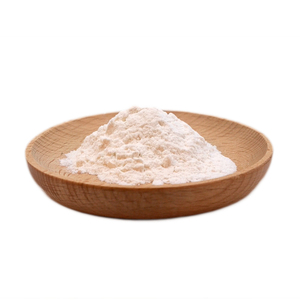
| Refined Kappa Carrageenan | Mesh: 200 Mesh Powder Gel Strength: >1100 g/cm² Purity: Food Grade Refined |
Gelling Agent, Emulsion Stabilizer, Water-Binding Matrix | Processed Meat, Dairy Desserts, Pet Food, Beverage Suspension |
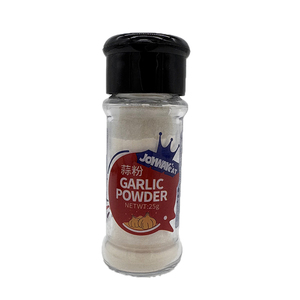
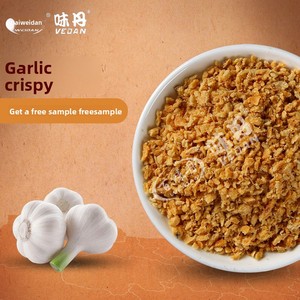
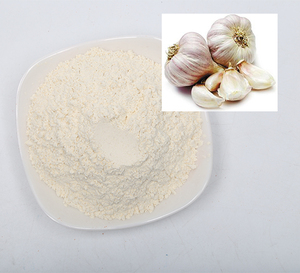
| Dehydrated Garlic Powder | Moisture: <6.0% Particle Size: 80-100 Mesh Allicin Content: >0.3% |
Pungent Flavor Base, Aromatic Profile Enhancer | Savory Seasonings, Ready Meals, Instant Noodles, Sauces |
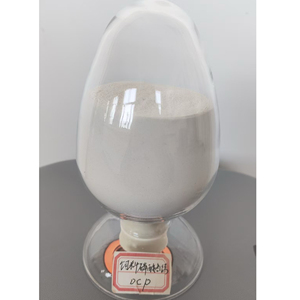
| Dicalcium Phosphate (DCP) | Purity: ≥98.0% Anhydrous Heavy Metals: <10 ppm Solubility: Acid Solution |
Mineral Enrichment, Leavening Acid Buffer, Anti-caking | Nutritional Supplements, Bakery Formulations, Animal Nutrition |
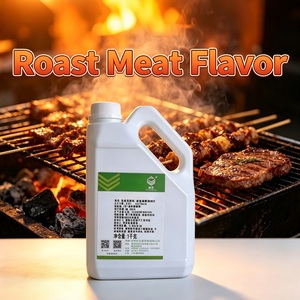
| Savory Flavor Essences | Form: Concentrated Liquid/Powder Certification: Halal Certified Heat Stability: High (up to 180°C) |
Authentic Roasted Meat Flavor Enhancement | Sausage Processing, Marinades, Snack Food Coatings |
As global beverage brands and food processors prepare for the next decade, supply chain dynamics are shifting rapidly toward sustainable, high-efficiency sourcing strategies. Understanding these macro trends allows procurement teams to secure long-term pricing stability and technical superiorities:
While clarified juice concentrates dominate traditional soft drinks and clear jellies, consumer demand for functional fiber and authentic mouthfeel has driven a 14% annual increase in demand for high-Brix fruit purees and single-strength cloudy juices. Manufacturing facilities in China are upgrading processing lines with cold-break technology to retain natural pectin, pulp fibers, and heat-sensitive antioxidants.
Shipping water across international trade routes is economically and environmentally unsustainable. The industry standard is rapidly moving toward ultra-concentrated formulations (up to 70° Brix) packaged in aseptic Flexitanks that fit directly inside standard 20-foot shipping containers. This minimizes ocean freight costs per net ton of active solids and reduces carbon emissions per unit shipped by over 32% compared to chilled single-strength juice transport.
Instead of managing dozens of isolated factory purchase orders—each with high Minimum Order Quantities (MOQs)—leading manufacturers now utilize centralized sourcing hubs. As pioneered by strategic partners like Essex Food Ingredients, purchasing departments can aggregate fruit juice concentrates, food starches, hydrocolloids (such as 200 Mesh Kappa Carrageenan), and dehydrated seasonings (like AD Garlic Powder) into a single, consolidated container shipment under one Purchase Order.
Creating commercially successful beverages, sauces, and confectionery items requires balancing fluid dynamics, phase separation, and acidity. When formulating high-acid fruit drinks or savory-sweet culinary glazes, fruit juice concentrates must be stabilized against sedimentation and flavor fade.
In pulp-containing fruit juice drinks, insoluble solids tend to precipitate over extended shelf storage. By incorporating low concentrations (0.02%–0.08%) of pure refined Kappa Carrageenan or specialized food-grade hydrocolloids, formulators create a weak thixotropic network. This matrix holds fruit pulp particles in permanent suspension without altering the fluid viscosity during drinking.
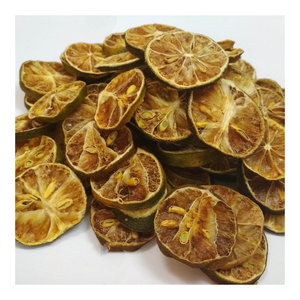
Volatile top-notes in citrus and berry concentrates can degrade under ultra-high temperature (UHT) thermal processing. Leading Chinese flavor manufacturers utilize spray-drying encapsulation using modified starches and maltodextrins to lock in volatile esters. Combined with natural dehydrated spices (such as dried lime slices or roasted garlic essence), product developers can build multi-dimensional flavor profiles that remain heat-stable throughout pasteurization.
Navigating the Chinese manufacturing ecosystem requires a reliable partner capable of auditing production lines, controlling quality, and managing end-to-end export logistics. Chinese enterprise producers offer unmatched benefits to international food manufacturers:
Direct access to vast agricultural growing regions ensures raw fruit supply security even during adverse climate events, delivering highly competitive baseline pricing.
State-of-the-art European pressing (GEA Bucher) and evaporation equipment delivers precise control over thermal impact, color, and microbiological safety.
Custom blending to exact customer specifications, including custom Brix levels, acidity ranges, pulp content, and specialized packaging options.
Speak with our technical specialists to request product samples, custom technical specifications, or a competitive quotation for container-load or consolidated orders.