Executive Technical Report: Strategic Sourcing of Sodium Benzoate Powder from China
An authoritative guide for enterprise procurement officers, R&D food scientists, and regulatory heads seeking to navigate chemical synthesis, purity grades (FCC IV / USP / BP), global logistics, and formulation chemistry.
1. Manufacturing Process & Chemical Synthesis in China's Leading Refineries
Understanding how China became the premier global manufacturing hub for Sodium Benzoate Powder requires an examination of continuous chemical engineering advancements, vertical integration of feedstocks, and stringent environmental controls. China’s premier chemical complexes utilize gas-phase catalytic oxidation of toluene to produce high-purity Benzoic Acid.
The conversion process from Benzoic Acid to Sodium Benzoate is executed via precise neutralization using pharmaceutical-grade Sodium Hydroxide ($\text{NaOH}$) or Sodium Bicarbonate ($\text{NaHCO}_3$) in liquid phase reactors:
Leading Chinese manufacturing plants distinguish themselves during the subsequent crystallization and drying phases. Through advanced spray crystallization and fluid-bed drying technologies, factories control physical particle geometry, producing distinct physical forms:
- Fine Powder (80–120 Mesh): Engineered for rapid dissolution in low-temperature aqueous systems and dry blend premixes.
- Micro-Granular / Noodle Form: Produced via extrusion to eliminate chemical dust hazards in high-volume industrial dosing environments, significantly enhancing workplace safety and reducing mechanical caking during transoceanic shipping.
- Spherical Granules: Designed for high-flow automated hopper systems where precise volumetric feeding is required.
2. Strategic Quality Pillars & E-E-A-T Compliance Framework
Rigorous Assay Purity
Consistently testing above 99.5% dry basis purity through HPLC and potentiometric titration, exceeding USP43, FCC XII, and European E211 standards.
Complete Traceability
Full lot-to-lot traceability backed by comprehensive Certificate of Analysis (COA), heavy metal screening (ICP-MS), and halogen free testing.
Global Regulatory Approvals
Fully compliant with U.S. FDA GRAS regulations, European EFSA directives, Kosher Pareve, Halal, ISO 22000, and FSSC 22000 standardizations.
3. Technical Specifications & Data Benchmark (FCC / USP / E211)
When evaluating top China manufacturers against western procurement criteria, chemical purity metrics dictate functional efficacy. Below is the chemical performance benchmark maintained by leading manufacturing facilities:
| Analytical Parameter | USP43 / FCC XII Standard | China Top Manufacturer Typical Result | Compliance Status |
|---|---|---|---|
| Assay Content (Dry Basis) | 99.0% – 100.5% | 99.65% – 99.85% | Exceeds Spec |
| Loss on Drying (105°C, 2h) | ≤ 1.5% | 0.35% – 0.60% | Optimal |
| Heavy Metals (as Pb) | ≤ 10 ppm | < 2 ppm | Ultra Pure |
| Arsenic (As) | ≤ 3 ppm | < 0.5 ppm | Ultra Pure |
| Acidity / Alkalinity | Meets USP Pass Test | 0.02 mL (0.1M NaOH / HCl max) | Verified |
| Halogenated Compounds | ≤ 300 ppm | < 50 ppm | Low Chlorinated |
| Solubility in Water (20°C) | ≥ 500 g/L | 550 g/L (Clear, Colorless Liquid) | High Flow |
| Appearance | White Crystalline Powder / Granule | Pure White, Odorless / Light Benzoate Odor | Grade A |
4. Mode of Action & Formulation Chemistry in Food & Beverage Systems
The antimicrobial efficacy of Sodium Benzoate is strongly dependent on the systemic pH of the target application. Sodium Benzoate itself is the salt form and exhibits limited antimicrobial activity. Once dissolved in an aqueous system with a pH below 4.5, it protonates into undissociated Benzoic Acid ($\text{C}_6\text{H}_5\text{COOH}$).
Undissociated benzoic acid is lipophilic and readily penetrates the cell membrane of yeasts, molds, and foodborne bacteria. Once inside the neutral intracellular environment of the microorganism, the acid ionizes, dropping intracellular pH, inhibiting glycolytic enzymes (specifically phosphofructokinase), and disrupting cellular respiration and membrane transport mechanisms.
5. Enterprise Sourcing Advantages & Integrated Logistics Infrastructure
Buying chemical raw materials direct from factory gates requires localized operational support to mitigate global transit bottlenecks, tariff fluctuations, and inventory holding costs. Partnering with consolidated ingredient distributors provides global buyers with the agility of local warehousing combined with direct-from-manufacturer pricing.
Our consolidated sourcing system offers key supply chain benefits tailored for high-volume processors and emerging brands:
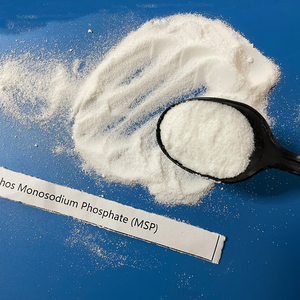
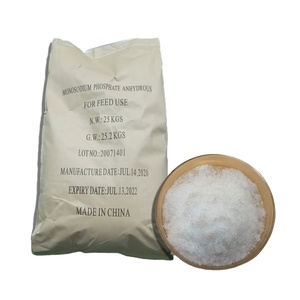
- Single Purchase Order Consolidation: Instead of executing dozens of wire transfers and managing separate bills of lading for minor ingredients like Hydrocolloids, Modified Starches, Monosodium Phosphate (MSP), and Sodium Benzoate, buyers consolidate procurement under One Purchase Order.
- Flexible MOQs & Capital Efficiency: Factory-direct MOQs for synthetic preservatives often start at 20-foot full container loads (FCLs). Through localized regional stocking warehouses across North America and Europe, manufacturers can order palette quantities to reduce working capital tie-ups.
- On-Time, In-Full (OTIF) Guarantee: Strategic distribution centers located near major manufacturing corridors (including regional hubs in Pennsylvania, New Jersey, and nationwide networks) ensure lead times are reduced from months to days.
- Comprehensive Technical & Reformulation Assistance: R&D teams receive hands-on bench support for clean-label reformulations, acidulant balancing, and preservative substitutions to overcome localized regulatory changes.
6. Future Procurement Trends & Strategic Sourcing Outlook (2025–2030)
The global Sodium Benzoate market is undergoing structural shifts driven by environmental mandates, industrial automation, and evolving consumer preferences. Key trends shaping procurement strategy include:
- Green Synthesis & Carbon Decarbonization: Leading Chinese manufacturers are investing heavily in eco-catalytic oxidation technologies that eliminate heavy-metal waste streams and dramatically reduce carbon intensity during toluene oxidation. Eco-conscious buyers are actively prioritizing suppliers with verifiable ISO 14064 carbon footprint audits.
- Shift Towards Micro-Granular Forms: Industrial health and safety regulations regarding airborne chemical dust in manufacturing plants are prompting rapid conversion from traditional 100-mesh powders to dust-free extruded micro-granules. Granular formats offer superior bulk density, faster dispersion, and zero dust inhalation risks.
- Smart Supply Chains & Blockchain Traceability: Digital CoA validation via QR codes on packaging bags enables instant batch verification from raw toluene receipt to final delivery, reducing laboratory re-testing bottlenecks at receiving docks.
- Multi-Region Hub Stocking: Buffer stock strategies have moved from "Just-in-Time" to "Just-in-Case". Forward-thinking buyers rely on consolidated partners maintaining at least 60 to 90 days of safety stock in domestic distribution hubs.
Frequently Asked Procurement & Technical Questions (FAQ)
▶ What is the standard shelf life and recommended storage condition for Sodium Benzoate Powder?
When stored in its original unopened packaging in a cool, dry, well-ventilated area away from direct sunlight and moisture, Sodium Benzoate Powder has a standard shelf life of 24 to 36 months. Because it is hygroscopic, bags should be tightly resealed after opening to prevent clumping.
▶ How does Sodium Benzoate differ from Potassium Sorbate in preservation performance?
While both are anti-fungal preservatives, Sodium Benzoate (E211) is most active at lower pH ranges (pH 2.5–4.5) and is particularly strong against bacteria and yeasts in carbonated beverages and acidic foods. Potassium Sorbate (E202) remains effective up to pH 6.5 and is preferred in cheese, wine, and bakery applications. Using them in combination yields synergistic broad-spectrum protection.
▶ Can Chinese Sodium Benzoate manufacturers supply FCC IV / USP grade for pharmaceutical applications?
Yes. Top-tier China factories manufacture dedicated Pharmaceutical Grade Sodium Benzoate complying with USP, BP, EP, and JP pharmacopeias. These grades undergo additional purification steps to guarantee ultra-low heavy metals (<2ppm), low halogenated compounds, and strict microbiological control suitable for oral syrups and parenteral excipients.
▶ What packaging options are available for industrial bulk sourcing?
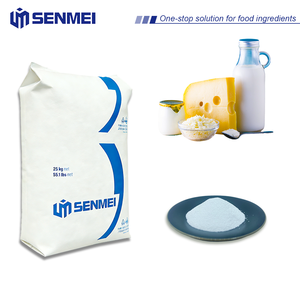
Standard export packaging includes 25 kg multi-wall kraft paper bags with food-grade polyethylene inner liners, 25 kg woven bags, and 500 kg or 1000 kg heavy-duty jumbo bags (FIBCs) optimized for automated bulk unloading systems. Palletized loading with shrink-wrap moisture barriers is standard for all sea freight containers.
▶ What is the HS Code and regulatory export classification for Sodium Benzoate?
The global Harmonized System (HS) Code for Sodium Benzoate is 2916.31.00. It is classified as a non-hazardous chemical product for transport by sea (IMDG), road (ADR), or air (IATA), facilitating straightforward customs clearance.
▶ How can buyers order consolidated shipments combining Sodium Benzoate with other functional ingredients?
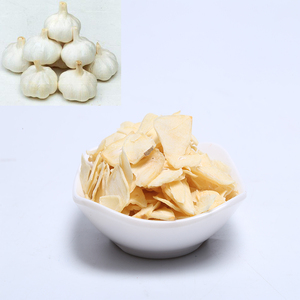
Through our integrated distribution model, buyers can aggregate Sodium Benzoate Powder with hydrocolloids (Xanthan Gum, Carrageenan), phosphates (MSP), starches, and dehydrated vegetables into a single consolidated purchase order. Contact our sales engineers to build a custom mixed-pallet shipment.
Request Product Specifications, Samples & Full Catalog
Partner with China's premier Sodium Benzoate manufacturers backed by local warehouse stocking, certified quality assurance, and technical formulation support.