Explore our core portfolio of high-purity functional raw materials, hydrocolloids, proteins, and specialty additives engineered for industrial food and bakery manufacturing.
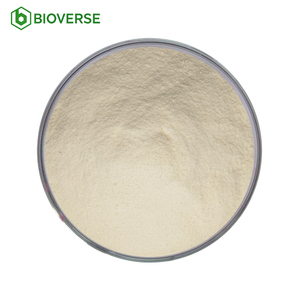
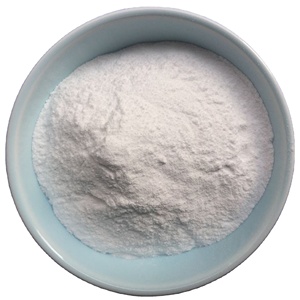
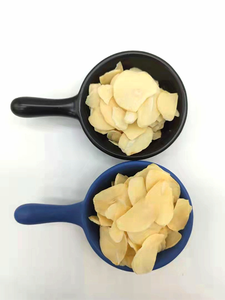
The global commercial baking and food processing industries are experiencing an unprecedented paradigm shift. Driven by evolving consumer preferences for clean-label products, enhanced nutritional profiles, extended shelf-life without synthetic preservatives, and optimized supply chain efficiency, procurement directors face a complex landscape. China has emerged not merely as a high-volume manufacturing hub for agricultural and biochemical food raw materials, but as an advanced epicenter of bio-fermentation, enzymatic synthesis, precision hydrocolloid extraction, and functional ingredient customization.
Navigating China's industrial bakery manufacturing ecosystem requires a deep structural understanding of raw material procurement dynamics, rigorous quality compliance frameworks, and formulation chemistry. This industry white paper provides actionable intelligence for food technologists, corporate procurement officers, and operational executives seeking to audit, partner with, and source from top-tier Chinese manufacturers and export distributors.
Chinese manufacturers have achieved significant vertical integration across major biochemical and functional ingredient categories essential for industrial plant operation, industrial bread production, fine confectionery, and savory bakery products:
| Ingredient Classification | Key Functional Components | Primary Technical Mechanism in Bakery | Industrial Sourcing Benchmarks |
|---|---|---|---|
| Hydrocolloids & Texturizers | Carrageenan (Kappa/Iota), Xanthan Gum, Sodium Alginate | Syneresis control, moisture retention, batter viscosity, freeze-thaw stability | Gel strength (Bloom rating), viscosity (cP @ 1% concentration), particle size mesh |
| Functional Bio-Peptides | Peanut Oligopeptide Powder 98%, Bio-hydrolyzed Proteins | Nutritional enhancement, rapid cellular absorption, moisture binding, Maillard reaction precursor | Oligopeptide content (>98%), molecular weight distribution (<1000 Da), solubility |
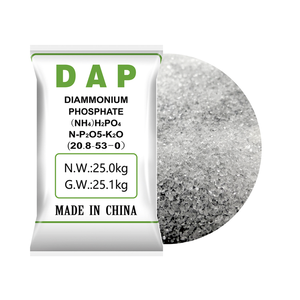
| Food Grade Phosphates | Diammonium Phosphate (DAP), Sodium Acid Pyrophosphate (SAPP) | Yeast nutrient, dough leavening kinetics, pH buffering, protein cross-linking | P2O5 concentration percentage, heavy metal limits (<10ppm), neutral value ratio |
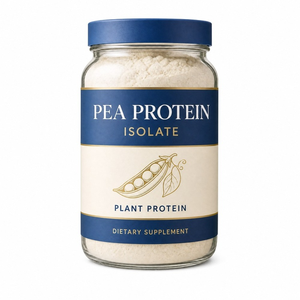
| Specialty Plant Proteins | Pea Protein Isolate 85%+, Soy Protein Hydrolysates | Structure building, gluten-free matrix fortification, emulsification, fat mimetic | Protein dry basis assay, Nitrogen Solubility Index (NSI), low-flavor profile |
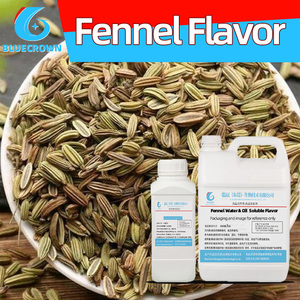
| Dehydrated Aromatics | Granulated Garlic Powder, Fennel Essence, Dried Alliums | Volatile flavor dispersion, thermal aroma retention during baking cycles | Essential oil content, moisture level (<6%), micro-count assurance |
To maintain a competitive edge, procurement leaders must look beyond short-term spot-market purchasing and align with long-term technological and economic trends shaping China's export manufacturing sector. As international trade regulations and consumer demands grow more sophisticated, five definitive trends are re-defining B2B ingredient sourcing:
Global buyers are actively transitioning away from managing dozens of disparate factory contracts. Modern distributors provide consolidated multi-ingredient shipments under a single Purchase Order (PO), dramatically lowering minimum order quantities (MOQs) and optimizing landed shipping logistics.
Tier-1 Chinese raw material producers are implementing end-to-end blockchain digital tracking. From raw botanical harvest or synthetic bio-fermentation batching to the final export bag, full transparency allows international brands to satisfy strict EU and US ESG regulatory mandates.
The historical barrier between raw ingredient producers and bakery R&D teams is disappearing. Top exporters now staff dedicated food application scientists who directly collaborate with client technical teams to customize rheological properties, mesh sizes, and enzyme stability curves.
Furthermore, decarbonization initiatives across Chinese industrial parks are driving energy-efficient drying techniques (such as spray drying and low-temperature dehydration for garlic and spice extracts) and green enzyme catalysis. Procurement teams that partner with environmentally certified facilities secure both pricing stability and long-term compliance with corporate sustainability charters.
Innovation in Chinese food ingredient manufacturing has moved past simple commodity duplication. Advanced research institutes and state-of-the-art facilities across Shandong, Jiangsu, and Zhejiang provinces are pioneering breakthrough functional raw materials tailored for next-generation baking performance:
Through enzymatic hydrolysis, natural plant proteins like peanut, soy, and pea are broken down into high-purity bioactive peptide fractions (such as 98% Peanut Oligopeptide Powder). In baking systems, these low-molecular-weight peptides act as powerful nutritional enhancers while accelerating fermentative yeast growth and creating attractive crust color through controlled Maillard browning without added simple sugars.
Replacing traditional chemical emulsifiers with plant-derived hydrocolloids and refined seaweed extracts (such as Foodmate FOODGEL Carrageenan M213) represents a major industry breakthrough. By customizing the molecular blend of kappa and iota carrageenan, starch, and plant gums, chemical engineers can freeze-thaw stabilize bakery fillings, prevent syneresis in ambient-stored pastries, and improve crumbs flexibility in gluten-free applications.
As global markets demand the elimination of chemical dough strengtheners like potassium bromate and azodicarbonamide (ADA), Chinese factories have scaled up the production of high-activity fungal alpha-amylases, xylanases, glucose oxidases, and lipases. These bio-catalysts optimize dough extensibility, increase loaf volume, and extend crumb softness by naturally modifying starch and hemicellulose structures.
Selecting the optimal international distribution and sourcing partner is just as critical as raw material specification. Grounded in decades of supply chain excellence, robust supplier representation, and expansive regional warehousing, our global ingredient sourcing model eliminates operational friction for food and beverage manufacturers worldwide.
Streamline your procurement workflow by combining over 3,000 potential ingredient lines—ranging from bakery phosphates and enzymes to specialized plant proteins—into a single, unified purchase order. Simplify accounts payable, reduce custom clearing overheads, and streamline container loading schedules.
Avoid tying up vital operational working capital in excessive raw material inventory. By leveraging strategic regional distribution hubs and volume inventory reserves, we offer customized pallet-level or multi-bag orders matching your exact plant production schedules.
Our experienced team of food technologists provides robust benchtop-to-scale-up support. Whether reformulating for clean-label compliance, substituting ingredients to manage cost volatility, or engineering targeted textures, we bridge the gap between technical specs and plant floor execution.
Operational Guarantee: Every batch exported through our factory network undergoes full COA verification, heavy metal screening, microbiological assaying, and strict compliance checking under international standards including FSSC 22000, BRCGS, Halal, and Kosher certification protocols.
Clear technical and commercial answers for procurement managers, food scientists, and operational directors.
Whether you require customized ingredient specifications, sample matching, order consolidation, or bulk tier pricing, our technical sales specialists are available to assist your team.