Direct supply line from certified manufacturing facilities with consolidated shipping options
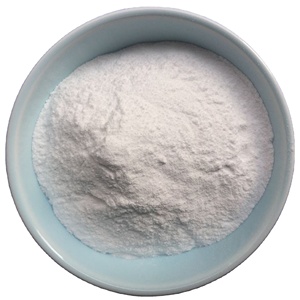
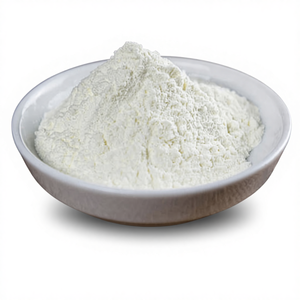
Dextrose Monohydrate (CAS number: 5996-10-1, molecular formula: C6H12O6·H2O) represents a foundational carbohydrates raw material globally utilized in food formulation, pharmaceutical parenteral preparations, animal nutrition, and industrial fermentation platforms. Produced through the controlled double-enzymatic hydrolysis of refined corn starch (maize starch), Dextrose Monohydrate functions as a primary sweetening agent, texturizer, fermentation substrate, and osmotic pressure regulating agent.
As global supply chains demand enhanced cost efficiency, stable lead times, and strict compliance with food safety parameters (such as US FDA FSMA, EU Regulation (EC) No 178/2002, and international USP/EP monographs), selecting qualified China dextrose monohydrate bulk exporters has become a core strategic initiative for global procurement directors. China currently controls over 55% of global corn starch hydrolysis infrastructure, driven by high-capacity processing nodes across Shandong, Henan, and Hebei provinces. Understanding the technical nuances, grade specifications, and supply chain logistics of Chinese exporters provides food manufacturers with a sustainable competitive cost advantage.
Key Technical Insight: Dextrose Equivalent (DE) values for premium Dextrose Monohydrate consistently exceed 99.5%, indicating near-total conversion of starch polysaccharides into monomeric D-glucose monohydrate crystals. Ensuring controlled crystallization rates prevents moisture entrapment and caking during transatlantic maritime transport.
Industrial procurement requires meticulous verification of technical specification sheets (TDS) and Certificates of Analysis (COA). Dextrose Monohydrate is categorized into three major commercial grades, each subject to distinct analytical thresholds and processing standardizations:
| Analytical Parameter | Food Grade (GB/T 20880) | Pharma Grade (USP / EP / BP) | Feed & Industrial Fermentation |
|---|---|---|---|
| Dextrose Assay (Dry Basis) | ≥ 99.5% | 99.5% – 100.5% | ≥ 98.5% |
| Specific Optical Rotation [α]D20 | +52.6° to +53.2° | +52.5° to +53.3° | +51.5° to +53.5° |
| Moisture Content (Loss on Drying) | 8.5% – 9.5% | 7.5% – 9.5% | ≤ 10.0% |
| Sulfated Ash / Residue on Ignition | ≤ 0.10% | ≤ 0.10% (Pyrogen-Free) | ≤ 0.25% |
| Heavy Metals (as Pb) | ≤ 0.5 mg/kg | ≤ 0.1 mg/kg / Endotoxin Tested | ≤ 5.0 mg/kg |
| Particle Size Distribution | 20-60 Mesh / 80-100 Mesh | Micronized or Controlled Mesh | Standard Granular |
The manufacturing process for high-purity Dextrose Monohydrate involves several critical stages: initial starch liquefaction using alpha-amylase enzymes, glucoamylase saccharification to yield high-DE glucose syrup, carbon decolorization, ion-exchange resin demineralization, vacuum evaporation concentration, controlled cooling crystallization, centrifuging separation, and fluidized-bed drying. Leading Chinese exporters utilize continuous automated ion-exchange columns and falling-film evaporators to keep electrical conductivity below 20 µS/cm, guaranteeing clean taste profiles free of off-flavors or thermal caramelization byproducts.
Formulators often evaluate Dextrose Monohydrate against Dextrose Anhydrous, High Fructose Corn Syrup (HFCS-55), and Maltodextrin. The structural presence of one molecule of water of crystallization (approx. 9% bound water) gives Dextrose Monohydrate distinct thermodynamic and solubility properties:
Dextrose Monohydrate exhibits a negative heat of solution (-25.2 cal/g), producing a pleasant cooling effect in confectionery tablets, chewing gums, and beverage formulations.
With a glycemic index of 100, it provides immediate bioavailable energy, making it the preferred substrate for isotonic sports drinks, clinical rehydration salts (ORS), and pet nutrition recovery powders.
As a reducing sugar containing an active aldehyde group, Dextrose Monohydrate reacts with amino acids during baking to generate golden-brown crust color and roasted flavor compounds.
Sourcing bulk ingredients internationally requires more than competitive FOB pricing; it demands a robust supply chain framework capable of managing market volatility, customs compliance, and quality verification. Building on enterprise distribution methodologies, top-tier Chinese export networks integrate four foundational operational strengths:
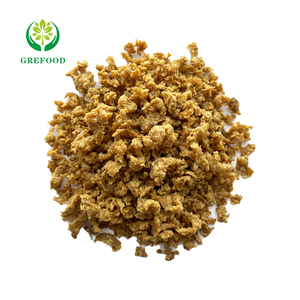
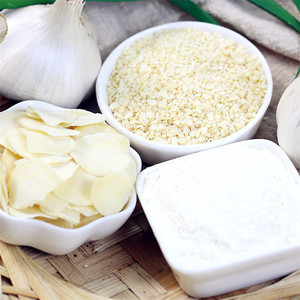
Procuring raw ingredients direct from single-commodity factories often forces buyers into rigid Minimum Order Quantities (MOQs) of 20 to 50 metric tons per item, tying up working capital and warehouse space. Partnering with consolidated sourcing networks allows food manufacturers to mix full container loads (FCL) combining Dextrose Monohydrate with complementary functional additives such as Guar Gum, Carrageenan, Textured Pea Protein, Food Phosphates, and Dehydrated Garlic Powder. A single purchase order (PO) streamlines customs entry, reduces landed freight overhead, and simplifies accounts payable.
Supply chain disruptions caused by maritime port congestion or seasonal grain market shifts can halt manufacturing plant lines. Premier exporters maintain strategically located inland and port-adjacent warehousing facilities (including regional hubs in Qingdao, Tianjin, and Shanghai, as well as overseas forward stocking locations across North America and Europe). This localized safety stock architecture ensures on-time, in-full (OTIF) deliveries with short lead times, safeguarding buyer operations from line stoppages.
To eliminate compliance risks associated with pesticide residues, mycotoxins (Aflatoxin, Ochratoxin A), sulfur dioxide (SO2) bleaching agents, and heavy metals, every exported batch undergoes rigorous testing. In-house analytical laboratories utilize High-Performance Liquid Chromatography (HPLC) for carbohydrate profiling, Inductively Coupled Plasma Mass Spectrometry (ICP-MS) for trace element detection, and automated microbiological screening for Salmonella, E. coli, and yeast/molds. Full documentation packages—including COAs, Non-GMO declarations, Kosher, Halal, ISO 22000, and FSSC 22000 certifications—are supplied with every shipment.
Transitioning from sucrose or high-cost sweetener blends to Dextrose Monohydrate requires technical optimization of solids content, freezing point depression, and sweetness equivalence (dextrose provides ~70-75% the sweetness of sucrose). Technical support teams assist food technologists with benchtop testing, pilot scale-up, and clean-label reformulation projects, identifying ideal mesh sizes and hydration dynamics tailored to specific bakery, beverage, or meat processing applications.
The global Dextrose Monohydrate market is undergoing structural shifts driven by technological advances, sustainability mandates, and evolving consumer dietary preferences. Procurement managers must position their sourcing strategies to navigate four major macro trends:
The rapid growth of cellular agriculture, precision fermentation (producing alt-dairy proteins, bio-based enzymes, and organic acids), and biodegradable polymers (Poly Lactic Acid / PLA) has transformed Dextrose Monohydrate into a primary carbon source feedstock. Industrial fermenters require ultra-clean dextrose solutions with low nitrogen residues and consistent fermentable sugar yields. China's expanding biorefinery capacity is pivoting toward high-purity glucose streams tailored specifically for industrial biotechnology customers.
Global food brands are mandating Scope 3 emissions reductions across their raw material suppliers. Leading Chinese exporters are investing in biomass boilers, solar-powered drying units, and closed-loop water recycling systems within starch hydrolysate plants. Furthermore, blockchain-enabled lot tracking provides complete farm-to-factory transparency, verifying that corn feedstocks originate from non-deforested agricultural zones and non-GMO crop reserves.
Standard fine powder dextrose can cause dust explosion risks and flowability challenges in automated pneumatic handling systems. Market demand is accelerating for customized granular grades, direct-compression (DC) dextrose for pharmaceutical tableting, and co-processed agglomerated dextrose ingredients that display superior cold-water dispersibility without clumping.
With corn grain futures (CBAC/DCE) subject to climate and geopolitical volatility, long-term procurement is shifting away from spot purchasing toward index-linked forward contracts. Flexible exporters offer multi-quarter price lock mechanisms, currency hedging support, and buffer storage agreements that protect food manufacturers against sudden market spikes.
Expert answers regarding technical standards, logistics, and bulk purchasing parameters
Dextrose Monohydrate contains one molecule of crystal water per molecule of glucose (crystallized under 50°C, yielding ~9% bound water), whereas Dextrose Anhydrous is crystallized at elevated temperatures (>60°C) and contains less than 0.5% moisture. Monohydrate is widely used in food, baking, and general fermentation, while Anhydrous is reserved for moisture-sensitive dry mixes, chocolate coatings, and specialized parenteral injections.
Standard packaging includes 25 kg multi-wall paper bags with inner polyethylene moisture-barrier liners, 850 kg or 1,000 kg PP woven Jumbo Bags (FIBC) with bottom discharge spouts. Container shipments can be shrink-wrapped on ISPM-15 heat-treated wooden or plastic pallets, or loaded with sea-bulk liners to maximize weight capacity up to 25-26 metric tons per 20ft FCL.
Yes. Utilizing order consolidation services, buyers can consolidate Dextrose Monohydrate with hydrocolloids (Guar Gum, Carrageenan), textured plant proteins, phosphates, dried garlic powder, and spice extracts into a single consolidated purchase order and container shipment, reducing inventory carrying costs and simplifying customs clearing.
Under recommended storage conditions (temperature < 25°C, relative humidity < 60%, stored away from odor-emitting substances), Dextrose Monohydrate exhibits a official shelf life of 24 months from the date of manufacture. Anti-caking control during drying prevents lump formation during sea transit through tropical climate zones.
Exporters provide comprehensive regulatory dossiers including Certificates of Analysis (COA) per batch, ISO 9001, FSSC 22000 / ISO 22000, Kosher Pareve, Halal (JAKIM/MUI certified), Non-GMO Project Verification, Allergen-Free Statements, and US FDA FSMA compliance documentation.
Qualified B2B ingredient buyers can request 500g - 1kg evaluation samples complete with analytical COAs via our online chat or inquiry catalog system. Third-party facility audits (SGS, BV, Intertek) and virtual plant tours are available for annual contract buyers.
Access direct manufacturer pricing, customized technical specifications, and flexible order consolidation. Contact our global sales engineering team today to receive a complete product catalog and real-time FOB/CIF quote.