Explore our export-grade functional additives, colorants, enzymes, and plant proteins engineered specifically for surimi, marine protein hydrolysis, canned seafood, and frozen fish fileting.
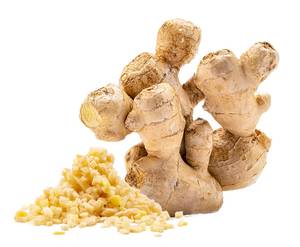
Premium aromatic ginger root for natural seafood odor neutralization, marination formulations, and spicy seafood brine profiles.
Contact Us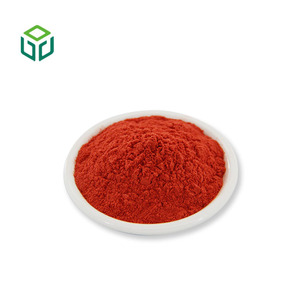
High-potency natural colorant (CAS 465-42-9) providing rich, oil-soluble and water-dispersible red hues for surimi crab sticks and shrimp analogues.
Contact Us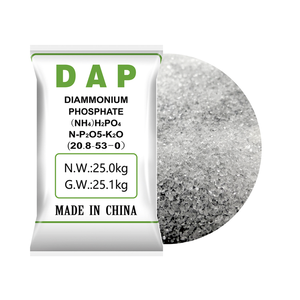
Industrial grade and food grade phosphate blends optimized for yield enhancement, drip-loss reduction, and texture retention in frozen fish and shellfish.
Contact Us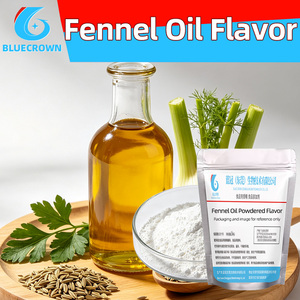
Encapsulated aromatic spice powder for seafood breading, fish fillet crispy batters, seasonings, and processed marine snacks.
Contact Us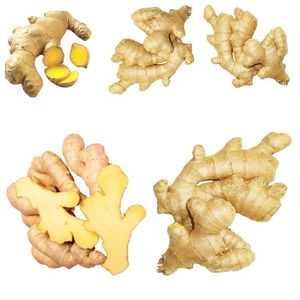
Pungent, high-gingerol raw ginger tailored for industrial canning, retort pouch marinades, and heavy fishy-odor masking applications.
Contact Us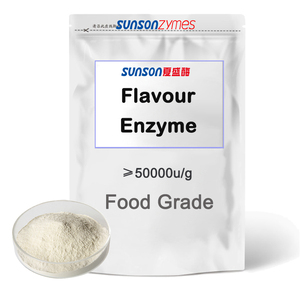
High-activity enzymatic complex for marine protein hydrolysis, fish sauce yield optimization, and natural umami peptide liberation.
Contact Us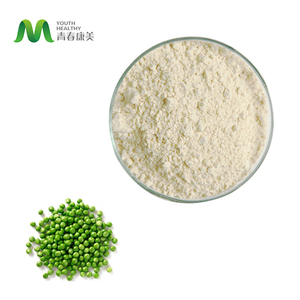
Non-GMO plant protein isolates acting as structural binder, moisture stabilizer, and gelling enhancer in surimi and fish patties.
Contact Us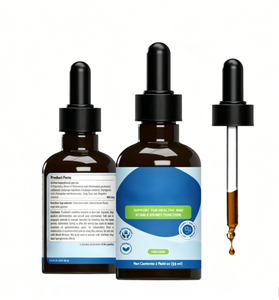
Hydrolyzed marine protein liquid rich in omega fatty acids and essential amino acids for pet food toppers and wet treat manufacturing.
Contact UsSeafood is inherently one of the most chemically sensitive protein matrices in the global food industry. Rapid post-mortem enzymatic degradation, lipid oxidation of highly unsaturated fatty acids (EPA/DHA), and denaturation of myofibrillar proteins during freezing present significant technical challenges for commercial seafood processors. As China's premier seafood processing ingredients manufacturer and global exporter, we supply engineered ingredient formulations designed to preserve cellular structure, control drip loss, stabilize organoleptic parameters, and maximize processing yields.
Modern seafood manufacturing requires a precise, multi-tiered chemical approach to ingredient selection. Whether formulating high-gel-strength surimi products (such as imitation crab sticks and fish balls), retaining succulence in glazed shrimp, or creating clean-label marine broths, processing ingredients must function synergistically across temperature gradients, salt concentrations, and mechanical shear stress.
| Functional Category | Primary Ingredients | Biochemical Action & Purpose | Target Seafood Applications |
|---|---|---|---|
| Moisture & Texture Retention | STPP, TSPP, Diammonium Phosphate (DAP), Non-Phosphate Complexes | Increases ionic strength and shifts pH away from the isoelectric point of myosin, maximizing Water Holding Capacity (WHC). | Frozen Whitefish Fillets, Frozen Shrimp, Calamari, Scallops |
| Protein Hydrolysis & Umami | Food-Grade Protease Enzymes (Sunson Flavour Series), Peptidases | Cleaves marine proteins into low-molecular-weight bioactive peptides and free amino acids (Glutamic acid, Glycine). | Fish Sauce, Shellfish Extracts, Seafood Seasoning Powder, Pet Liquids |
| Structural Gelling & Binding | Isolated Soy Protein (90%), Pea Protein (80%), Transglutaminase | Establishes heat-irreversible protein-protein cross-linking networks; binds free moisture and emulsifies marine lipids. | Surimi Seafood, Fish Sausages, Fish Balls, Plant-Based Seafood Analogues |
| Natural Coloration | Capsanthin Powder (Paprika Red), Carmine, Astaxanthin Blends | Delivers carotenoid pigment binding to marine protein matrices with superior heat and freeze-thaw stability. | Imitation Crab Sticks, Surimi Shrimp, Salmon Analogues, Seasoned Roe |
| Flavor Masking & Deodorization | Dehydrated Ginger Root, Fennel Flavor Powders, Essential Oil Extracts | Neutralizes volatile basic nitrogen (TVB-N) compounds and trimethylamine (TMA) fishiness via natural phenolic binding. | Canned Seafood Brines, Ready-to-Eat Seafood Meals, Breaded Fillets |
Navigating the global ingredient supply chain requires absolute reliability, rigorous quality assurance, and streamlined logistics. Grounded in decades of industrial chemical synthesis and food-grade ingredient distribution, our export platform transforms complex supply chain challenges into seamless, consolidated procurement solutions.
Eliminate the administrative burden of managing dozens of individual chemical and spice vendors. Purchase your functional phosphates, flavor enzymes, plant proteins, and natural colorants under one unified Purchase Order (PO).
Avoid tying up working capital in massive warehouse inventory. We offer customized container loading (FCL/LCL consolidation) and lower Minimum Order Quantities (MOQs) tailored to your exact production schedules.
Every batch is supported by complete analytical documentation, including COA, ISO22000, HACCP, HALAL, KOSHER, and FDA facility registration, ensuring smooth customs clearance across North America, Europe, Southeast Asia, and Latin America.
Our in-house food technologists work directly with your R&D teams to troubleshoot gel weakness in surimi, optimize yield in glazed frozen fish, or replace synthetic additives with clean-label alternatives.
Partnered with international cold-chain networks and major sea-freight hubs in Qingdao, Ningbo, and Shanghai, we guarantee short lead times and strict moisture-proof export packaging.
Full batch tracking from raw material extraction to final container sealing. We maintain rigid quality inspection standards for heavy metals, micro-biology, and pesticide residues.
The global seafood processing landscape is undergoing a massive structural transition driven by shifting consumer preferences, stringent international food safety regulations, and supply chain volatile pricing. Procuring managers and R&D leaders must stay ahead of key technological shifts:
While sodium tripolyphosphate (STPP) remains an industry benchmark for cost-effective water binding, regulatory bodies in Europe and North America are placing stricter limits on added phosphate levels. Modern procurement strategies are rapidly adopting non-phosphate alternatives—such as carbonate-citrate blends, sodium bicarbonate buffer systems, and micro-particulate sea salt complexes. These systems achieve equivalent drip-loss reduction while allowing "Phosphate-Free" labeling on premium fish fillets and prawns.
Sustainability mandates require seafood processors to maximize the value extracted from fish frames, heads, visceras, and crustacean shells. Industrial enzymatic hydrolysis using target-specific proteases (such as Sunson Flavour Enhancing Protease) converts low-value fish scrap into high-value bioactive fish hydrolysates, peptones, natural umami broth powders, and liquid pet nutrition formulas. Utilizing customized enzymes allows processors to generate secondary revenue streams while dramatically reducing wastewater biological oxygen demand (BOD).
Due to wild-caught fish quota fluctuations and rising cost of Alaska Pollock or Tropical Surimi block, surimi manufacturers are increasingly integrating 80% Green Pea Protein and 90% Isolated Soy Protein into their formulations. When cross-linked with transglutaminase, these plant protein isolates maintain the rigid elastic gel matrix (Jelly Strength / Suwari) expected in commercial fish balls and crab sticks, cutting formulation costs by up to 22% without sacrificing mouthfeel.
Product innovation in the seafood processing sector is currently focused on retaining natural texture, enhancing flavor release, and expanding shelf life without synthetic preservatives. The technical roadmap includes:
Volatile essential oils from ginger, fennel, and garlic are susceptible to degradation during high-temperature retort canning or deep frying. Spray-dried micro-encapsulation technology seals these aromatic compounds within maltodextrin-gum arabic matrices, releasing flavor only upon mastication while completely masking offensive trimethylamine (TMA) fish odor during storage.
Replacing synthetic food dyes with pure Capsanthin (Paprika Red Pigment CAS 465-42-9) provides a vibrant, natural reddish-orange tone to imitation seafood. Modern color stabilization involves pairing capsanthin with natural antioxidants (such as rosemary extract or ascorbic acid) to prevent photo-oxidation and thermal fading during freeze-thaw cycles.
Find authoritative technical answers to common questions asked by industrial purchasing managers, QA directors, and R&D technologists when sourcing seafood processing ingredients from China.
Whether you are optimizing water retention in frozen fish fillets, developing clean-label surimi formulations, or sourcing high-activity marine flavor enzymes, our technical export team is ready to deliver tailored ingredient solutions.