Explore our high-purity, ISO/HALAL/KOSHER certified emulsifiers, thickeners, and stabilization systems formulated for industrial food production.
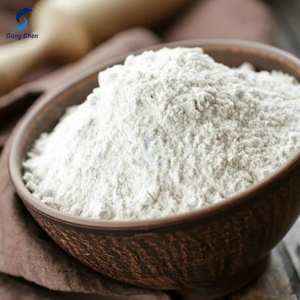
High-viscosity pseudoplastic thickener & emulsion stabilizer. Excellent freeze-thaw stability.
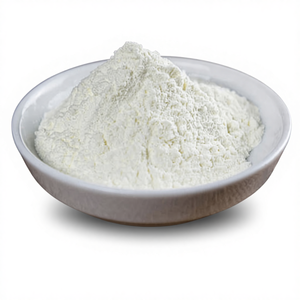
Premium dairy and meat gelling agent offering strong protein binding and moisture retention.
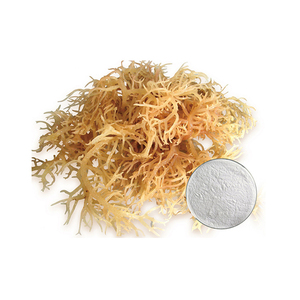
Optimized for syneresis reduction in jellies, dessert gels, and processed cheese formulations.
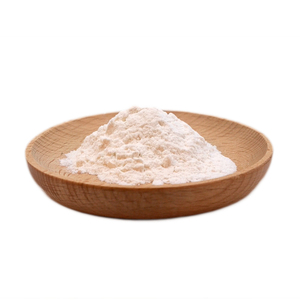
Forms firm, brittle gels in presence of potassium ions. Ideal for meat matrix consolidation.
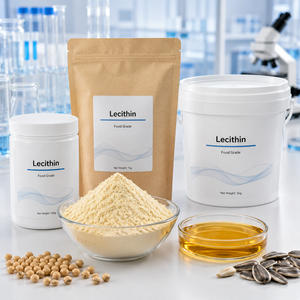
Natural phospholipid complex. Lowers surface tension, controls cocoa butter crystallization.
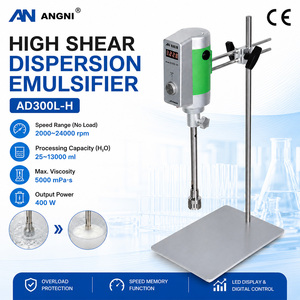
Precision pilot benchtop equipment for dispersion testing, micelle shearing, and emulsion trials.
Calcium-reactive biopolymer for cold-set binding, casing restructuring, and moisture seal.
Distilled monoglyceride (DMG) crumb softener. Prevents amylose retrogradation in bakery products.
Understanding surface tension reduction, thermodynamic micellar stabilization, and starch-lipid interactions in complex food matrices.
Food emulsifiers are amphiphilic compounds containing both hydrophilic (water-loving) and lipophilic (oil-loving) moieties. When introduced to immiscible biphasic liquids (such as oil and water), they adsorb at the liquid-liquid interface, drastically reducing thermodynamic interfacial tension.
This kinetic stabilization prevents droplets from undergoing Ostwald ripening, flocculation, and coalescence. Distilled Monoglycerides (DMG/GMS E471) and Soy Lecithin (E322) form structured self-assembled liquid crystalline phases (lamellar, cubic, or hexagonal) that encapsulate lipid droplets and impart steric and electrostatic repulsion.
In starch-rich matrices like baked bread and pastries, mono- and diglycerides interact directly with gelatinized amylose helixes. The non-polar fatty acid tail of GMS/DMG inserts into the hydrophobic cavity of the helical amylose molecule, forming an insoluble amylose-lipid complex.
This molecular entrapment suppresses the recrystallization (retrogradation) of amylose during product cooling and storage. As a direct result, crumb firmness increase is delayed, moisture retention is maximized, and bread shelf-life is extended by 30% to 50% without chemical preservatives.
Selecting the optimal emulsifier requires precise alignment between the target food system’s oil/water ratios and the chemical HLB rating.
| Emulsifier Type | E-Number / CAS | HLB Value | Ionic Charge | Primary Function | Recommended Applications |
|---|---|---|---|---|---|
| Distilled Monoglyceride (DMG/GMS) | E471 / 31566-31-1 | 3.8 – 4.5 | Non-ionic | Crumb softening, amylose complexing, fat dispersion | Bakery, bread, margarine, peanut butter, pasta |
| Soy Lecithin (Fluid / Powder) | E322 / 8002-43-5 | 4.0 – 7.0 (Native) 10.0 – 12.0 (Enzymatic) |
Zwitterionic | Viscosity reduction, wetting agent, anti-bloom | Chocolate, confectionery, infant formula, instant powders |
| Sodium Stearoyl Lactylate (SSL) | E481 / 25383-99-7 | 10.0 – 12.0 | Anionic | Gluten strengthening, volume enhancement | Yeast-raised bread, buns, tortillas, non-dairy creamer |
| Diacetyl Tartaric Acid Esters of Mono- and Diglycerides (DATEM) | E472e / 100085-39-0 | 8.0 – 10.0 | Anionic | Gluten network cross-linking, gas retention | Artisan breads, crispy rolls, frozen dough systems |
| Polysorbate 60 / 80 | E435 / E433 | 14.5 – 15.0 | Non-ionic | High-shear oil-in-water (O/W) solubilization | Flavor oils, liquid seasonings, salad dressings |
| Sodium Alginate | E401 / 9005-38-3 | N/A (Hydrocolloid) | Anionic | Cold-set gelation, emulsion phase locking | Reconstructed meats, onion rings, pet food gravies |
| Xanthan Gum (80/200 Mesh) | E415 / 11138-66-2 | N/A (Rheology Modifier) | Anionic | Pseudoplastic rheology control, suspension stabilization | Sauces, dressings, gluten-free baking, syrups |
Industrial manufacturers rely on specialized emulsifier blends to solve physical phase separation, syneresis, and texture degradation during processing and distribution.
In automated high-speed bakeries, dough must withstand mechanical shear, extended fermentation, and thermal expansion. Monoglycerides (E471) and SSL (E481) strengthen the gluten-protein network by interacting with hydrophobic glutenin subunits.
This improves gas retention in dough cells, increases specific loaf volume, produces a fine, uniform crumb structure, and prevents collapse in frozen dough applications.
Viscosity control is critical during chocolate tempering, molding, and enrobing. Adding 0.3%–0.5% Soy Lecithin (E322) or Polyglycerol Polyricinoleate (PGPR E476) drastically lowers the yield stress and plastic viscosity of liquid chocolate masses.
It reduces cocoa butter requirements, facilitates bubble release, prevents moisture-induced fat bloom, and ensures clean mold release.
Formulating finely comminuted sausages, frankfurters, and meat batters requires binding high volumes of added water and animal fat. Sodium Alginate (E401) combined with Carrageenan (E407) creates a thermal-irreversible gel matrix.
This prevents fat channeling, eliminates purge during vacuum packaging, improves cook yield by 8% to 14%, and delivers an appealing elastic bite.
Streamlining raw material procurement with consolidated ordering, low MOQs, and rigorous international quality standards.
Managing hundreds of individual chemical and hydrocolloid suppliers creates administrative friction, higher freight costs, and supply chain vulnerability. We solve this by consolidating your entire food additive spectrum—ranging from Xanthan Gum, Carrageenan, and Alginates to Soy Lecithin and Distilled Monoglycerides—into a single purchase order.
Instead of juggling dozens of vendors, ocean freight schedules, and minimum order quantities, your procurement team gains a single accountable partner. We coordinate batch production, arrange consolidated container loading (FCL/LCL), and deliver fully compliant shipments straight to your plant loading dock.
Every single batch exported undergoes exhaustive lab validation to ensure compliance with FCC (Food Chemicals Codex), EU Directive regulations, and US FDA requirements. Products are produced under certified ISO 22000, FSSC 22000, BRCGS, HALAL, and KOSHER management systems.
Stay ahead of consumer shifts, clean-label mandates, and technological innovations in food hydrocolloids and emulsification.
Consumers are demanding simpler ingredient lists without synthetic E-numbers. Demand is surging for naturally derived emulsifiers such as Non-GMO Sunflower Lecithin, Enzymatically Modified Soy Lecithin, and citrus fiber systems that perform emulsification without artificial additives.
The rapid expansion of plant-based meats and dairy alternatives requires complex emulsification solutions. Formulators are turning to synergistic hydrocolloid-emulsifier complexes (e.g., Sodium Alginate + DMG) to replicate the authentic melt, mouthfeel, and juiciness of traditional animal fats.
Global food brands are prioritizing suppliers with verified sustainable supply chains. From RSPO-certified palm-based monoglycerides to eco-friendly seaweed harvesting for carrageenan, Chinese manufacturing facilities are rapidly integrating solar energy and waste-water recycling.
Find answers to critical questions regarding technical specs, order consolidation, testing standards, and international shipping.
Partner with a trusted China wholesale supplier and exporter. Contact our technical sales and formulation team today for free samples, customized specification sheets, and competitive FOB/CIF quotation terms.