As global consumer demand pivots decisively toward digestive wellness, gut microbiome optimization, and clean-label sugar reduction, Inulin powder has established itself as the indispensable functional dietary fiber across the food, beverage, and dietary supplement sectors. Derived predominantly from Cichorium intybus (Chicory Root) and Helianthus tuberosus (Jerusalem Artichoke), bulk inulin serves dual functionalities: acting as a potent prebiotic substrate and a zero-calorie glycemic fat replacer.
Explore our curated selection of export-grade raw materials, hydrocolloids, vegetable powders, and functional food additives engineered for seamless industrial scale-up.
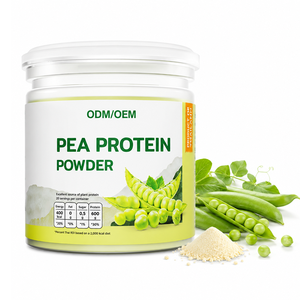
Inulin is a polydisperse storage carbohydrate consisting primarily of β(2→1) fructosyl-fructose linkages terminated by a glucose moiety. Understanding the exact Degree of Polymerization (DP) is critical for food technologists to achieve targeted rheological properties, solubility profiles, and digestive health claims.
Exhibiting high cold-water solubility and a sweetness level approximately 30% to 50% that of sucrose. Ideal for rapid bacterial fermentation in the proximal colon, beverage clarity maintenance, and low-calorie humectancy in confectionery formulations.
The standard multi-purpose industrial extract. Delivers balanced prebiotic efficacy, moderate water binding, and partial fat-mimicking capability. Extensively utilized in dairy systems, infant nutrition powders, and dietary fiber supplements.
Long-chain fractions obtained via specific crystallizing centrifugation. Lacks sweet taste and exhibits low solubility. Forms microcrystalline gel networks when sheared in water, mimicking the mouthfeel and lubricity of full-fat lipids in zero-fat formulations.
| Functional Parameter | Chicory/Artichoke Inulin | Soluble Corn Fiber (SCF) | Maltodextrin (DE 10-15) | Polydextrose |
|---|---|---|---|---|
| Prebiotic Index (Bifidogenic) | Very High (Targeted) | Moderate to High | None (Caloric Carbo) | Moderate |
| Caloric Density (kcal/g) | 1.5 – 2.0 | 1.8 – 2.0 | 3.8 – 4.0 | 1.0 |
| Glycemic Index (GI) | < 5 (Near Zero) | Low (< 15) | Very High (85–105) | Very Low (5–7) |
| Fat Replacement Rheology | Excellent (HP Micro-gels) | Fair (Bulking only) | Poor (High Viscosity) | Fair |
| Thermal & Acid Stability | Moderate (pH > 4.0) | Extremely High | High | Extremely High |
| Labeling Cleanliness | 100% Natural Root Extract | Modified Carbohydrate | Processed Starch | Synthetic Polymer |
Procurement directors and R&D managers must navigate evolving regulatory frameworks, climate-driven raw material yield fluctuations, and heightened transparency mandates when securing bulk inulin supplies from China.
Leading Chinese manufacturing hubs in Shaanxi, Gansu, and Inner Mongolia are adopting green-energy membrane filtration and enzymatic hydrolysis processes. Transitioning away from coal-fired evaporators reduces the embodied carbon footprint per metric ton by up to 35%, enabling Western B2B brands to meet Scope 3 sustainability targets.
Global food safety standards (such as California Proposition 65 and European Commission Regulations) have tightened threshold limits for Arsenic, Cadmium, and Lead in plant extracts. Future-proof procurement requires suppliers providing batch-specific ICP-MS assay verification and USDA/EU Organic certifications.
Rather than purchasing isolated fibers, top-tier buyers are consolidating orders to ship custom co-spray-dried systems. Combining Inulin with plant proteins (Pea or Soy Isolates), hydrocolloids (Xanthan Gum), and functional enzymes minimizes warehousing overhead and eliminates batch-to-batch blending variations.
We bridge the gap between primary Chinese agricultural extraction plants and international production floors through consolidated purchasing, flexible MOQs, and rigorous technical compliance.
Eliminate administrative chaos. Buy Inulin Powder, Plant Proteins, Xanthan Gum, and Protease Enzymes under one single Purchase Order (PO) with unified freight schedules and streamlined customs clearance documentation.
Protect working capital and optimize factory floor storage. Leveraging our strategic distribution hubs in North America and Europe, we allow clients to pull exact pallet-count requirements with short lead times.
Every bulk lot undergoes dual verification: HPLC testing for exact DP chain distribution, microbiological assays (E. coli, Salmonella, yeasts, molds), and pesticide residue screenings prior to ocean freight loading.
Addressing essential technical, logistical, and regulatory questions for enterprise procurement managers and R&D formulators.
From a chemical structural standpoint, both sources yield inulin composed of β(2→1) fructan chains. However, Jerusalem Artichoke (Helianthus tuberosus) inulin typically exhibits a slightly shorter average Degree of Polymerization (DP 8–14), resulting in higher cold-water solubility and faster fermentation rates. Chicory Root (Cichorium intybus) inulin generally boasts a broader polymer spectrum (DP 2–60), making it more suitable for high-performance fat-replacement gelling applications when purified.
Inulin is thermally stable across standard pH environments (pH 4.5 to 8.5) up to temperatures of 140°C (284°F) for short duration processing like HTST/UHT pasteurization and standard bakery cycles. However, under high-acid conditions (pH < 3.5) combined with prolonged heat exposure (>80°C), the fructosidic β(2→1) bonds undergo acid hydrolysis, converting long-chain inulin into free fructose and reducing gel strength.
Standard export packaging includes 25kg multi-wall craft paper bags with an inner food-grade polyethylene (PE) moisture-barrier liner, palleted and stretch-wrapped (1,000kg per pallet). For high-volume manufacturing facilities, we provide 500kg and 1,000kg anti-static Super Sacks (FIBC jumbo bags) equipped with bottom discharge spouts.
Our partner manufacturing sites in China operate under strict international quality management systems, including ISO 22000, FSSC 22000, HACCP, and GMP standards. Furthermore, all bulk inulin batches are certified Halal (MUI/IFANCA), Kosher (Pareve), and comply fully with US FDA GRAS (Generally Recognized As Safe) and EFSA novel food specifications.
Yes. Short-chain oligofructose and native inulin are extensively utilized in sugar-reduced chocolate conchings. Inulin provides bulk density, improves cocoa butter crystallization texture, and balances sweetness when paired with high-intensity natural sweeteners like Stevia or Monk Fruit, without causing moisture-induced sugar bloom.
When stored in its original unopened packaging in a cool, dry warehouse environment (temperature < 25°C / 77°F, relative humidity < 60%), bulk inulin powder maintains a stable shelf life of 24 months. Due to its hygroscopic nature, partial bags must be tightly resealed to prevent clumping and moisture absorption.
Connect directly with our senior technical sales engineers to request Certificate of Analysis (COA) documentation, specialized particle mesh sizes, sample kits, and direct FOB/CIF container price quotes.
Contact Us