High-purity botanical extracts, heat-stable pigments, and custom liquid/powder formulations compliant with FDA, EFSA, and Global Food Safety Standards.
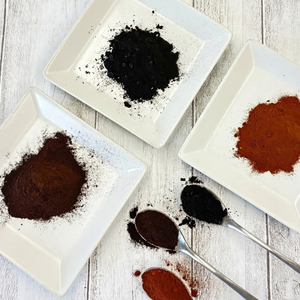
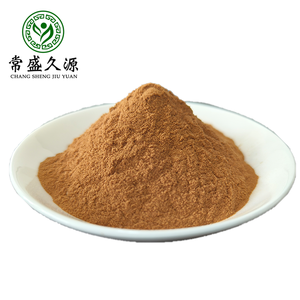
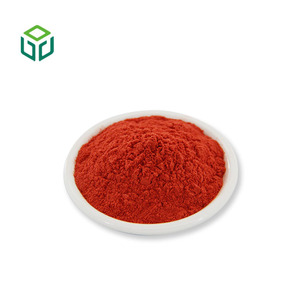
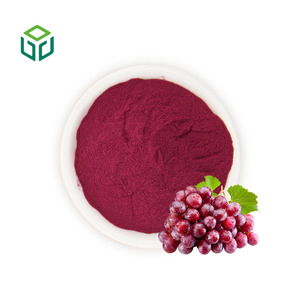
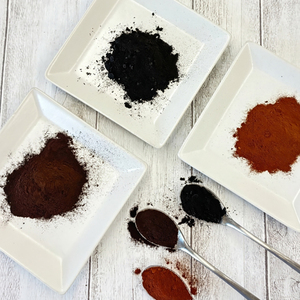
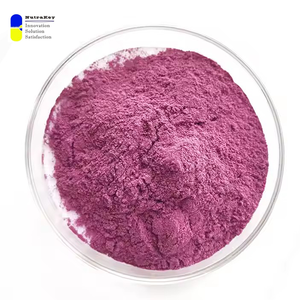
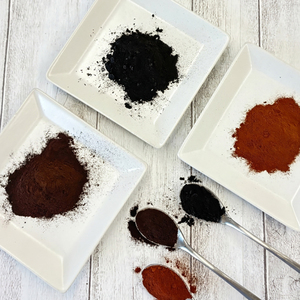
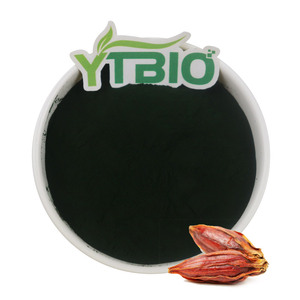
The global food and beverage industry is undergoing an unprecedented transition from artificial food dyes (such as Red 40, Yellow 5, and Blue 1) toward natural botanical coloring agents. Driven by regulatory phase-outs—notably the European Union’s restriction on Titanium Dioxide (E171) and California’s Food Safety Act—food procurement officers and R&D formulation scientists face immediate pressure to transition to stable, plant-derived colorants. China has established itself as the world's primary manufacturing hub for plant extractions, producing over 70% of global botanical raw materials including capsanthin, anthocyanins, gardenia pigments, and natural caramel colorants.
As a leading Chinese manufacturer and global exporter, our operational architecture combines large-scale agro-industrial cultivation with high-precision extraction technologies (ultrafiltration, supercritical CO2 extraction, and microencapsulation). This dual capability allows global food brands to secure robust supply chains, maintain batch-to-batch color value ($E_{1cm}^{1\%}$) repeatability, and lower total landed procurement costs.
By streamlining ingredient procurement into consolidated shipments, we significantly reduce logistics costs, clearance complexity, and minimum order requirements for fast-growing food brands.
Fully accredited with ISO22000, FSSC22000, Halal, Kosher, and USDA Organic certifications. Every export lot includes HPLC fingerprinted Certificates of Analysis (CoA).
Our in-house food technologists provide custom stability testing across varying pH levels, thermal cycles, light exposures, and complex food matrix interactions.
Formulating with natural food colors requires a thorough understanding of organic pigment chemistry. Unlike synthetic dyes, which offer linear stability, natural pigments react dynamically to thermal processing, light exposure, water activity ($a_w$), and pH shifts. Below is a technical summary of primary natural food colors exported from China:
| Color Pigment | Botanical Source | Active Component | pH Stability Range | Thermal & Light Stability | Target Applications |
|---|---|---|---|---|---|
| Paprika Red | Capsicum annuum L. | Capsanthin & Capsorubin | pH 3.0 - 10.0 | High Heat / Moderate Light | Sauces, Processed Meats, Seasonings, Bakery |
| Purple Sweet Potato | Ipomoea batatas | Acylated Anthocyanins | pH 2.0 - 4.5 (Red-Purple) | High Heat / Excellent Light | Beverages, Confectionery, Fruit Preparations |
| Caramel Powder | Carbohydrate Heating | Class I, II, III, IV Melanin | pH 2.5 - 9.0 | Extreme Thermal Stability | Bakery, Beverages, Sauces, Pet Food |
| Gardenia Blue | Gardenia jasminoides | Genipin-Amino Acid Complex | pH 3.0 - 8.0 | Moderate Heat / Good Light | Frozen Desserts, Beverages, Hard Candies |
| Red Grape Skin | Vitis vinifera | Enocianina (Anthocyanins) | pH 2.5 - 3.8 | Moderate Heat / Good Light | Functional Drinks, Acidic Beverages, Jellies |
When substituting synthetic dyes with natural colorants, food engineers must account for specific chemical interactions:
Procurement executives moving into 2025 and beyond must navigate evolving geopolitical, environmental, and technological trends when sourcing natural colors from China:
Answers to common technical, regulatory, and logistics queries encountered during B2B color procurement.
We standardize every batch using spectrophotometric analysis to verify the precise Color Value ($E_{1cm}^{1\%}$). Our microencapsulated and spray-dried powders are standardized with food-grade maltodextrin or carrier starches, guaranteeing less than 1.5% variance across production lots.
Every shipment includes a comprehensive documentation package: Certificate of Analysis (CoA), Heavy Metals Analysis (Lead, Arsenic, Cadmium, Mercury), Pesticide Residue Screen, Microbiological Test Report, Non-GMO Statement, Allergen Declaration, and Halal/Kosher Certificates.
Yes. While some delicate anthocyanins degrade under high heat, our Caramel Powders, Paprika Oleoresin (Capsanthin), and specialized microencapsulated Gardenia variants exhibit thermal stability up to 220°C (428°F), making them suitable for baked goods, biscuits, and extruded pet foods.
Our spray-dried color powders have a shelf life of 24 months from the manufacturing date when stored in original unopened packaging (aluminum foil bags within fiber drums) at temperatures below 25°C and relative humidity below 60% away from direct light.
Yes. Our R&D application laboratory assists food manufacturers in matching existing synthetic dye shades (e.g., target pantone or spectral curve) using clean-label natural color blends tailored to your product's specific pH, oil/water ratio, and heat profile.
We support both pilot-scale development and commercial manufacturing. Standard MOQs start at 25kg (1 drum). Through our consolidated purchasing programs, clients can combine multiple colorants and food ingredients into a single FCL or LCL container shipment.
Access our complete technical specifications, formulation whitepapers, and sample request protocols for global export.
Get Catalog