Soy Lecithin Liquid (CAS No. 8002-43-5) stands as one of the most versatile natural amphiphilic surfactant complexes utilized in modern industrial formulation engineering. Extracted during the hydrative degumming process of crude soybean oil (Glycine max), soy lecithin liquid is a complex visual matrix of naturally occurring phospholipids, glycolipids, triglycerides, and carbohydrates.
For enterprise purchasing directors, formulators, and global food processing companies, sourcing industrial-grade and food-grade soy lecithin liquid from reliable Chinese wholesale manufacturers provides a strategic cost-to-performance advantage. Chinese processing technology has evolved beyond raw solvent extraction into advanced enzymatic modification, precise thermal bleaching, and strict Identity Preserved (IP) Non-GMO supply chain tracking.
The functional surfactant performance of liquid soy lecithin is dictated primarily by its intrinsic phospholipid spectrum. Standard unbleached and fluid soy lecithin contains a balanced concentration of hydrophobic and hydrophilic molecular domains:
Reduces interfacial tension between oil and aqueous phases, preventing phase separation in baked goods, dairy, and sauces.
Decreases yield value and plastic viscosity in chocolate mass, allowing up to 1% reduction in expensive cocoa butter content.
Accelerates hydration rates of hydrophobic powders such as high-protein powders, cocoa, and instant beverage mixes.
Evaluating soy lecithin liquid from Chinese wholesale suppliers requires strict scrutiny of key chemical parameters. Quality parameters dictate how the lecithin will interact under elevated shear, acidic pH, or prolonged storage temperatures.
| Parameter / Quality Index | Food Grade Standard | Feed Grade Standard | Enzymatic Modified (Hydrolyzed) | Test Method |
|---|---|---|---|---|
| Acetone Insoluble (AI %) | ≥ 60.0% – 62.0% | ≥ 50.0% – 55.0% | ≥ 56.0% | AOCS Ja 4-46 |
| Acid Value (mg KOH/g) | ≤ 30.0 | ≤ 35.0 | ≤ 40.0 | AOCS Ja 6-55 |
| Peroxide Value (meq/kg) | ≤ 10.0 | ≤ 15.0 | ≤ 10.0 | AOCS Ja 8-87 |
| Hexane Insoluble (%) | ≤ 0.3% | ≤ 0.5% | ≤ 0.3% | AOCS Ja 3-87 |
| Moisture & Volatiles (%) | ≤ 1.0% | ≤ 1.5% | ≤ 1.0% | AOCS Ja 2b-87 |
| Gardner Color Value | ≤ 12 (Single Bleached) / ≤ 10 (Double) | ≤ 17 (Dark Brown) | ≤ 14 | AOCS Ja 9-87 |
| Viscosity (at 25°C, Pa·s) | 8.0 – 12.0 (Fluid Grade) | 10.0 – 15.0 | 3.0 – 6.0 (Low Viscosity) | Brookfield RVT |
| HLB (Hydrophilic-Lipophilic Balance) | 4.0 – 7.0 | 3.5 – 6.0 | 8.0 – 12.0 | Theoretical Calculation |
The application profile of Chinese soy lecithin liquid spans multiple high-value industries. Understanding how to integrate this raw material into specific manufacturing matrices yields enhanced product texture, optimized processing speed, and decreased overall batch failure rates.
In chocolate manufacturing, soy lecithin liquid acts as a primary rheology modifier. During the conching process, lecithin molecules wrap their hydrophobic fatty acid tails around sugar crystal surfaces while exposing their hydrophilic head groups toward the fat phase.
Soy lecithin interacts dynamically with wheat proteins (glutenin and gliadin) and starch granules during dough mixing:
Feed-grade soy lecithin liquid is an essential energetic surfactant in livestock, poultry, and aquaculture feed formulations.
Beyond food and feed, industrial-grade soy lecithin liquid is widely utilized in solvent-borne paints and printing inks as a high-performance pigment wetting, anti-settling, and dispersing agent. It prevents hard caking of heavy inorganic pigments (such as titanium dioxide and iron oxides) during long-term warehouse storage.
Navigating global chemical sourcing requires more than just finding competitive pricing. It demands absolute confidence in quality compliance, supply continuity, and order consolidation. By leveraging our established supply chain network—mirroring the operational excellence of leading distributors—buyers secure complete end-to-end procurement protection.
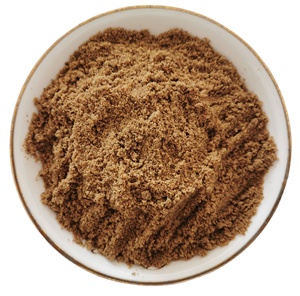
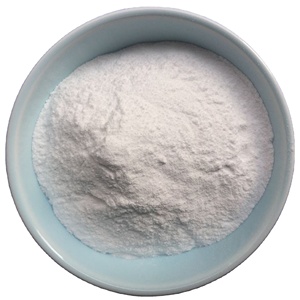
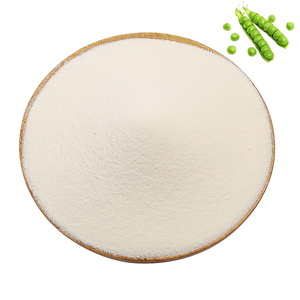
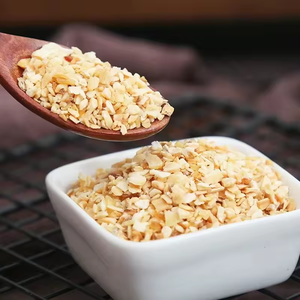
Eliminate the friction of managing dozens of individual international suppliers. Combine Soy Lecithin Liquid with complementary ingredients like Food Phosphates, Dehydrated Garlic, Pea Protein, and Glycerine under one Purchase Order.
Avoid tying up capital in excessive inventory. We offer right-sized container deliveries, flexitanks, ISO tanks, and drum shipments tailored to match your specific monthly production schedules.
Our Non-GMO Soy Lecithin Liquid is fully traceable from seed selection and agricultural harvesting through to extraction. Validated by PCR (Polymerase Chain Reaction) testing with GMO DNA content < 0.9%.
Our manufacturing facilities adhere to internationally recognized food safety and quality management frameworks:
The global phospholipid market is undergoing structural shifts driven by evolving consumer preferences, clean-label mandates, and green processing technologies. B2B procurement managers must anticipate these trends when structuring long-term supplier agreements:
Traditional chemical modifications using acid or alkaline hydrolysis are increasingly being replaced by phospholipase A2 (PLA2) enzymatic cleavage. Enzymatically modified soy lecithin liquid boasts an elevated HLB value (ranging from 8 to 12), granting high heat stability in acidic food systems, superior water dispersion, and clean organoleptic profiles without residual chemical odors.
While standard 200kg steel drums and 1000kg IBC totes remain prevalent, enterprise buyers are rapidly shifting to 24,000-Liter Bulk Flexitanks fitted with integrated heating pads. Flexitanks maximize container load capacity by up to 30% compared to traditional drum loading, significantly reducing freight costs per metric ton while eliminating drum cleaning and disposal overheads.
Deforestation-free supply chains are becoming mandatory across European and North American markets. Top-tier Chinese soy lecithin manufacturers are aligning with ProTerra and RTRS (Round Table on Responsible Soy) standards, ensuring that raw soybeans are sourced exclusively from verified non-deforested agricultural zones.
Standard food-grade soy lecithin liquid requires a minimum Acetone Insoluble (AI) content of 60.0% to 62.0%. The AI percentage represents the active functional phospholipid content (PC, PE, PI, PA) remaining after removing free fatty acids and triglycerides.
Soy lecithin liquid exhibits temperature-dependent Newtonian/pseudo-plastic rheology. At temperatures below 15°C (59°F), viscosity increases sharply, making pumping difficult. For cold-climate winter shipments, we utilize insulated Flexitanks equipped with steam/hot-water heating pads to gently re-fluidize the lecithin to 35°C–40°C before discharge.
When stored in unopened original packaging at temperatures between 15°C and 35°C in a dry, cool warehouse away from direct sunlight, soy lecithin liquid has a shelf life of 24 months from the date of manufacture.
Unbleached lecithin retains a dark brown hue (Gardner color 14-17) and is ideal for feed and industrial uses. Single bleached lecithin undergoes hydrogen peroxide treatment to achieve a lighter golden-amber color (Gardner ≤ 12) for general food applications. Double bleached achieves minimal color impact (Gardner ≤ 10), ideal for light-colored white chocolates, dairy creams, and pharmaceuticals.
We enforce strict Identity Preserved (IP) protocols audited from field planting through oil pressing and degumming. Every batch is certified via real-time PCR testing by independent laboratories (such as SGS or Eurofins), ensuring transgenic DNA presence remains below 0.9% in full compliance with EU Regulations 1829/2003 and 1830/2003.
Yes, Non-GMO unbleached soy lecithin liquid processed without chemical solvents (mechanically expeller-pressed soybean oil base) is accepted under USDA NOP and EU Organic standards as an allowed non-organic agricultural ingredient when organic lecithin is unavailable.
We provide four standard export packaging configurations: 200kg closed-head steel drums (96 drums / 19.2 MT per 20' FCL), 1000kg IBC Totes (20 Totes / 20 MT per 20' FCL), 24,000L Flexitanks for maximum freight economy, and 25kg plastic jerry cans for small-scale pilot facilities.
Streamline your raw material sourcing, guarantee batch-to-batch consistency, and optimize landed costs with our consolidated supply chain solutions.