Toll-free: 1 (800) 441-1017 HQ: 9 Lee Blvd, Frazer, PA 19355
3,000+ ingredients · One purchase order · On time, in full

Custom OEM Dehydrated Garlic Powder Manufacturers & B2B Supply Solutions

Whitepaper & Technical Procurement Guide for Industrial Food Manufacturers, Seasoning Blenders, and Global Foodservice Chains

Product Catalog

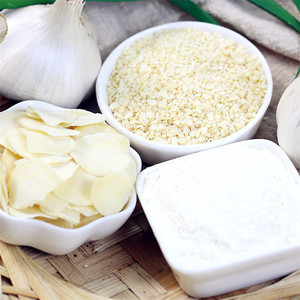
Industrial Grade Dehydrated Garlic Series

Standardized cuts, dehydrated flakes, crushed granules, and micro-milled powders processed under rigorous food safety management systems.
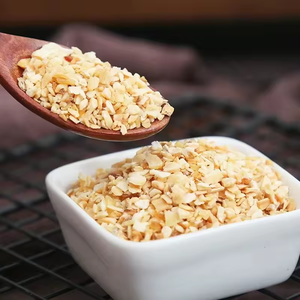
Dried Crushed Garlic Granules 8-16 16-26 26-40 40-80 Mesh

Dried Crushed Granules 8-16 16-26 26-40 40-80 Mesh Dehydrated Garlic Price HACCP/BRC/KOSHER/HALAL Garlic

8-80 Mesh BRC/HACCP Low Moisture
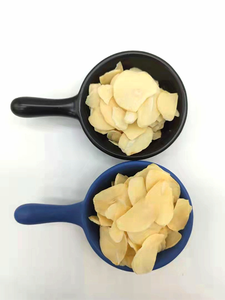
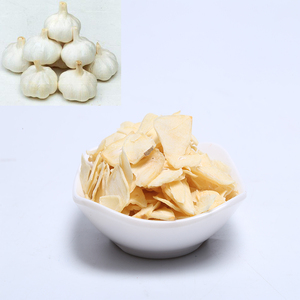
Bulk Dehydrated Garlic Flakes Air Dried Pure Fresh Garlic

Bulk Dehydrated Garlic Flakes Air Dried Natural 100% Pure Fresh Garlic No Additives

100% Pure AD No Additives Rootless Flakes
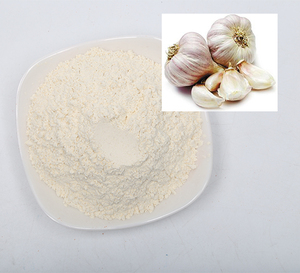
High Quality Baked Dried AD Dehydrated Garlic Powder

Liansheng High Quality Baked Dried Ad Dehydrated Garlic Powder Good Price Single Spice Powder

Baked Dry Uniform Particle Single Spice
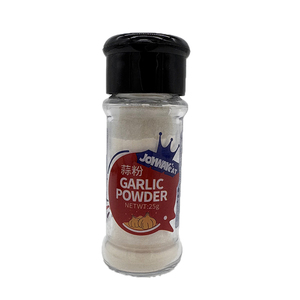
Spicy AD Processed Dehydrated Garlic Powder Bulk Packaging

Spicy AD Processed Dehydrated Garlic Powder Bulk Packaging 50g/100g/1kg

High Pungency OEM Retail Pack Custom Label
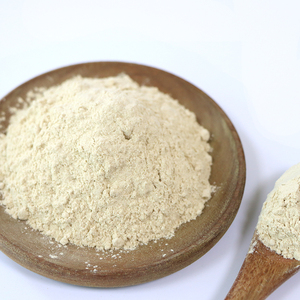
Wholesale Bulk Garlic Dried Powder AD 100 Mesh

Wholesale Bulk Garlic Dried Powder AD 100 Mesh

100 Mesh Fine Instant Soluble Bulk Packaging
China New Products Bulk Granulated Dehydrated Garlic Powder

China New Products Bulk Granulated Dehydrated Garlic Powder

Granulated Free Flowing Industrial Grade
High Quality 100% Pure Dehydrated Garlic Powder Flakes

High Quality 100% Pure Dehydrated Garlic Powder / Flakes

Premium Grade Alliin Enriched Steam Treated
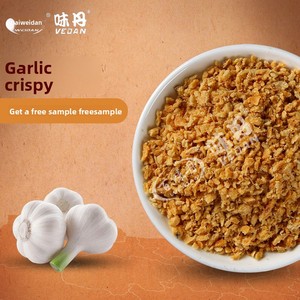
Dehydrated Fried Garlic Powder 25-kg Box-packed Seasoning

Factory-direct Catering Wholesale Dehydrated Fried Garlic Powder 25-kg Box-packed Seasoning Spice China Origin Low Dried

Fried Garlic Profile 25kg Carton Catering Pack
3,000+
Ingredients Managed
> 10,000
PPM Allicin Potential
100%
Lot Traceability
< 6.0%
Moisture Content Max

Industrial Sourcing & Engineering Whitepaper: OEM Dehydrated Garlic Manufacturing Standards

In global commercial food manufacturing, dehydrated garlic (Allium sativum) serves not merely as an aromatic condiment, but as an essential functional texturizer, natural flavor enhancer, and clean-label substitute for fresh garlic cloves. Industrial food product developers, research and development (R&D) chemists, and strategic procurement managers face significant hurdles when securing reliable bulk supplies: batch-to-batch pungency variations, enzymatic degradation, micro-contamination risks, and supply chain volatility.

This whitepaper establishes an analytical framework for evaluating Custom OEM Dehydrated Garlic Powder Manufacturers. It delineates physicochemical specifications, advanced drying technologies, microbiological risk mitigation strategies, and future procurement trends shaping the food ingredient market through 2030.

Core Procurement Takeaway: High-potency dehydrated garlic requires controlled temperature Air Drying (AD) parameters below 60°C during initial dehydration to preserve active alliinase enzymes, ensuring optimal conversion of alliin to organosulfur allicin compounds upon hydration in processed food formulations.

1. Technical Specification Matrix: Granulation Cut & Mesh Dynamics

Custom OEM manufacturing requires precise particle size distribution tailored to specific food processing applications. The table below outlines standard industrial mesh classifications, target bulk density, and recommended food application matrices.

Granulation Grade Mesh Size Spectrum Particle Diameter (mm) Bulk Density (g/L) Primary Application Matrix
Dehydrated Garlic Flakes Rootless Slice / Flake 8.0 mm - 15.0 mm 300 - 380 Soups, canned stews, ready meals, pickled vegetables, retail spice grinders.
Coarse Granules 8 - 16 Mesh 1.25 mm - 2.50 mm 450 - 520 Dry rub seasonings, sausage premixes, specialty bakery toppings, pizza toppings.
Medium Granules 16 - 26 Mesh 0.71 mm - 1.25 mm 500 - 580 Meat marinade blends, processed cheese, snack food seasonings, pet food treats.
Fine Granules 26 - 40 / 40 - 80 Mesh 0.18 mm - 0.71 mm 550 - 620 Sauces, salad dressings, gravy mixes, instant noodle seasoning sachets.
Standard Garlic Powder 80 - 100 Mesh 0.15 mm - 0.18 mm 600 - 680 Industrial dry blends, savory snack dustings, extruded snack doughs, soup bases.
Micro-Fine OEM Powder 100 - 120+ Mesh < 0.125 mm 650 - 720 High-speed liquid dispersion, emulsified sauces, beverage broth applications.

2. Biochemical Integrity & Allicin Retention Dynamics

The functional efficacy of garlic powder relies on its organosulfur chemistry. Fresh garlic contains the non-protein amino acid alliin (S-allyl-L-cysteine sulfoxide) and the enzyme alliinase. When fresh garlic tissue is disrupted, alliinase hydrolyzes alliin into allicin (diallyl thiosulfinate), which rapidly converts into secondary volatile aromatic compounds (diallyl disulfide, diallyl trisulfide) responsible for the characteristic pungent flavor profile.

Food Technologist Testing Dehydrated Garlic Quality Specs

Quality Assurance Parameters for B2B Procurement:

  • Allicin Yield Potential: Guaranteed minimum threshold of 8,000 to 12,000 ppm (0.8% - 1.2% by weight) via High-Performance Liquid Chromatography (HPLC).
  • Moisture Activity Control: Total moisture content held strictly under 6.0% (target 4.5% - 5.5%), maintaining water activity ($a_w$) below 0.30 to eliminate caking and prevent enzymatic reactivity during storage.
  • Sulfur Dioxide ($\text{SO}_2$) Residue: Naturally low baseline, with strict OEM options for zero-added $\text{SO}_2$ or ultra-low sulfite levels (< 30 ppm) meeting FDA and EFSA regulations.
  • Ash Content Standards: Total ash $\le 5.0\%$, with acid-insoluble ash $\le 0.5\%$, confirming thorough washing and peeling to eliminate soil debris.

3. Advanced Processing Technologies: AD Dehydration vs. Micro-Encapsulation

Modern manufacturing facilities utilize controlled multi-stage Air Drying (AD) belt dryers. Fresh garlic bulbs are harvested, destemmed, washed in chlorinated water tanks, mechanically peeled, inspected electronically via optical sorters, and sliced into uniform cut thickness.

Dehydration takes place across temperature-controlled zones:

  • Zone 1 (Pre-drying): 60°C - 65°C for rapid surface moisture reduction without thermally denaturing enzymes.
  • Zone 2 (Core drying): 50°C - 55°C for internal moisture migration and color preservation.
  • Zone 3 (Final conditioning): 40°C - 45°C down to target equilibrium moisture levels.

For specialized industrial formulations requiring long shelf-life in high-humidity ambient environments, progressive OEM suppliers provide micro-encapsulated garlic powders. Using spray-chilling or fluid-bed coating with food-grade hydrogenated vegetable oils or maltodextrin matrix structures, the active garlic volatiles remain protected against oxidation and ambient moisture until thermally triggered during cooking.

Enterprise Advantage

Why Leading Food Manufacturers Partner With Us

Full vertically integrated supply chain transparency, custom mesh milling, standardized batch quality, and multi-certification compliance.

Global Food Safety Compliance

Fully audit-ready facilities certified under BRCGS (Grade AA), HACCP, ISO 22000, Kosher, and Halal standard operating procedures.

Custom OEM Formulation & Mesh Cut

Tailored particle distributions from 8 mesh coarse granules to 120 mesh micro-powders, with customized bulk packaging options (50g to 25kg box/tote).

Microbial Reduction Technologies

Validated Steam Sterilization (HTST) and Ethylene Oxide (ETO) options to lower Total Plate Count (< 10,000 CFU/g) while satisfying strict pathogen-free requirements (Salmonella & E. coli negative).

One PO Order Consolidation

Consolidate garlic ingredients with over 3,000 complimentary raw materials (starches, hydrocolloids, emulsifiers, dehydrated vegetables) under a unified logistics schedule.

Contract Pricing & Buffer Stocking

Protect your bottom line against market spot price fluctuations with 6-to-12-month fixed-price supply contracts and regional buffer inventory programs.

Complete Batch Traceability

From farm origin to finished export container, every lot is issued a comprehensive Certificate of Analysis (COA) documenting physical, chemical, and heavy metal testing results.

Industry Horizon

Future Trends in OEM Garlic Procurement (2026–2030)

Key market shifts, technological advancements, and sustainability mandates transforming dehydrated garlic sourcing globally.

1. Shift Toward Clean-Label & Non-GMO Project Verification

Global consumers demand ultra-transparent ingredient panels. Procurement teams are moving away from traditional carrier-heavy garlic premixes to 100% pure, single-ingredient dehydrated garlic without flow agents (such as silicon dioxide or calcium silicate). Advanced manufacturing techniques utilize optimized mechanical de-clumping and moisture-controlled packaging to maintain free-flowing properties naturally.

2. ESG Alignment & Low-Carbon Heat Recovery Drying

Environmental, Social, and Governance (ESG) criteria are becoming mandatory vendor selection requirements for multinational food brands. Next-generation dehydration facilities integrate biomass heat exchangers and closed-loop solar-assisted air drying system heat recovery, reducing the carbon footprint per metric ton of processed garlic powder by up to 35%.

3. Automated Real-Time Supply Chain Auditing

Blockchain-enabled lot tracking and automated digital COA integration allow buyers to instantly verify pesticide residue screenings (< MRL limits for over 400 compounds), heavy metal profiles (Lead $\le 0.2\text{ mg/kg}$, Cadmium $\le 0.1\text{ mg/kg}$), and origin authenticity directly upon dock arrival.
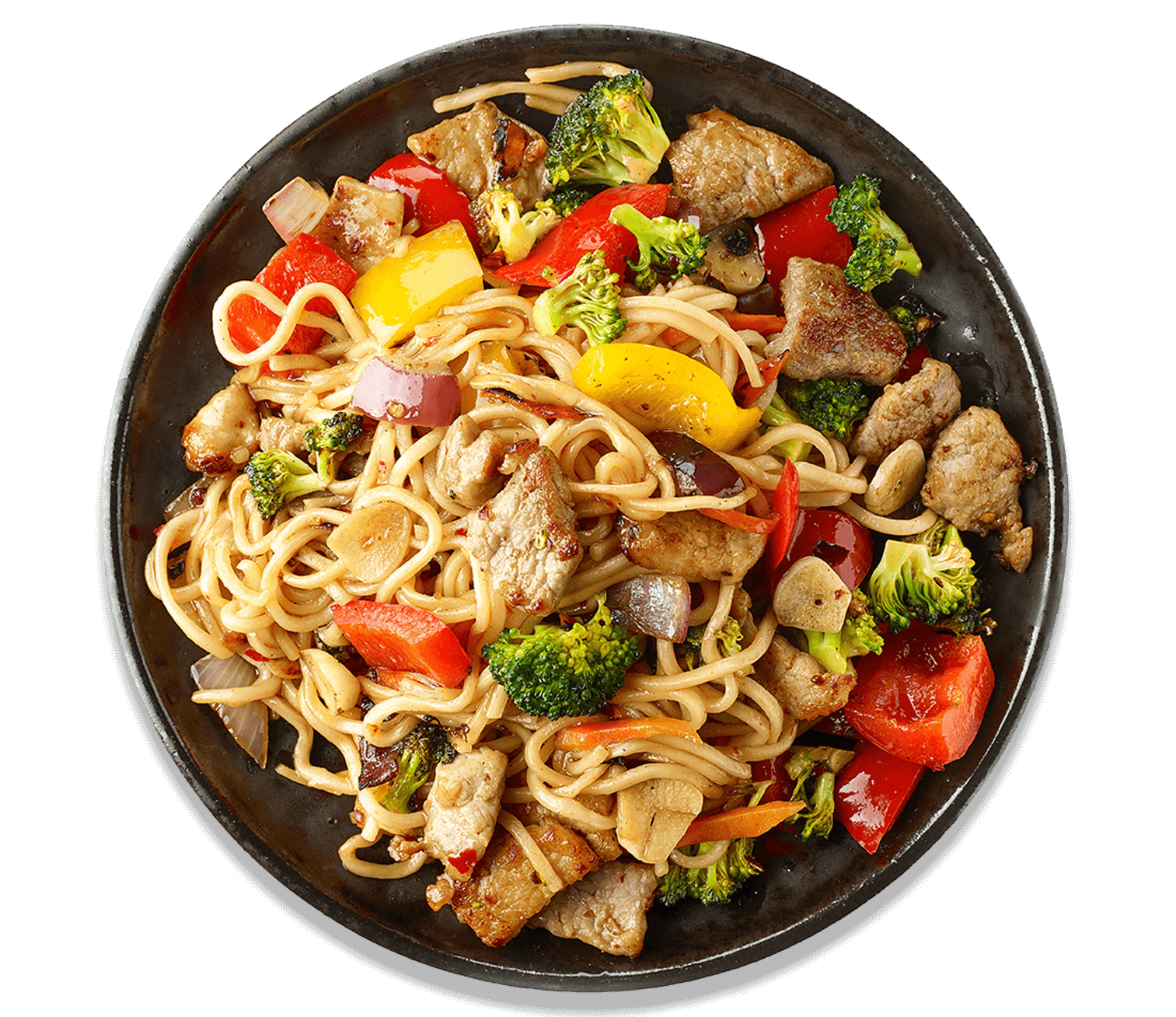
Finished Formulated Prepared Meal Made With Premium Dehydrated Garlic
Procurement FAQ

Frequently Asked Questions by Industrial Buyers

Answers to key technical, logistical, and quality questions regarding OEM garlic manufacturing.

What is the shelf life and ideal storage condition for bulk OEM dehydrated garlic powder?
When stored in unopened, original double-PE lined moisture-barrier corrugated cartons at temperatures below 24°C (75°F) and relative humidity under 60%, industrial dehydrated garlic powder maintains an official shelf life of 24 months from the manufacturing date. Storage away from direct sunlight and odor-emitting spices is recommended to prevent volatile loss and moisture absorption.
How do you manage caking in fine garlic powders (80–120 mesh) without anti-caking agents?
Caking is primarily driven by hygroscopic moisture absorption and residual water activity. We prevent caking naturally by maintaining final moisture levels strictly below 5.0%, employing climate-controlled cleanroom milling environments, and utilizing high-barrier vacuum packaging or foil-laminated bag inserts that block ambient humidity ingress.
What minimum order quantities (MOQs) apply for custom mesh cuts and private-label packaging?
Standard OEM catalog products (such as 25kg standard cartons of 100 mesh powder or 8-16 mesh granules) feature flexible MOQs starting at 1 pallet (approx. 750kg–1,000kg). Custom mesh profiles, specialized micro-encapsulation, or custom-printed retail sachets (50g to 1kg) typically carry a 3 metric ton minimum run threshold per batch.
What micro-kill treatments are available for sensitive high-care food formulations?
We offer validated Continuous Superheated Steam Sterilization (HTST), which reduces microbial counts by up to 5-log without exposing the garlic to chemical residues or altering its natural color and flavor profile. Ethylene Oxide (ETO) and Gamma Irradiation treatments are also available upon request for non-EU destinations adhering to regional regulatory frameworks.
Can we consolidate garlic powder shipments with other food ingredients?
Yes. Through our unified distribution network and order consolidation services, clients can blend garlic powder shipments on a single purchase order alongside hydrocolloids, modified starches, functional proteins, and other dehydrated vegetables—optimizing container space, reducing freight costs, and streamlining receiving operations.
How is raw material traceability verified for imported garlic crops?
Every production lot is tied directly to contracted farm plots via an internal ERP tracking code. Samples are subjected to raw material receiving protocols, including DNA species verification, heavy metal screening, pesticide multi-residue analysis (PMR), and organoleptic testing prior to dehydration.

Request Technical Data Sheets & Custom OEM Quotations

Connect directly with our food ingredient technical team to request sample kits, detailed product specifications, Certificate of Analysis templates, or contract bulk pricing.