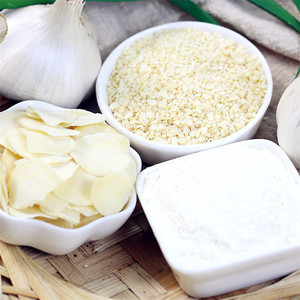
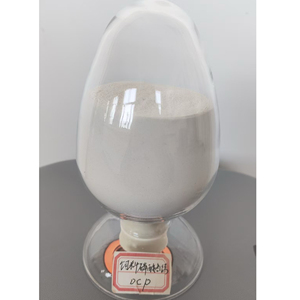
Explore our core catalog of food-grade flavor enhancers, structural phosphates, plant isolates, and natural food additives formulated for high-efficiency global food manufacturing.
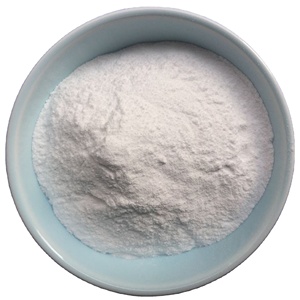
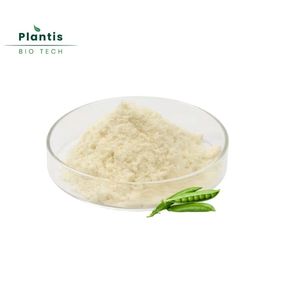
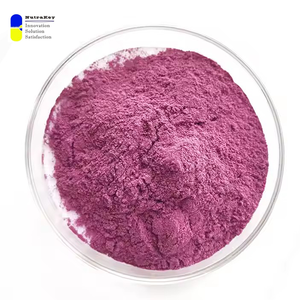
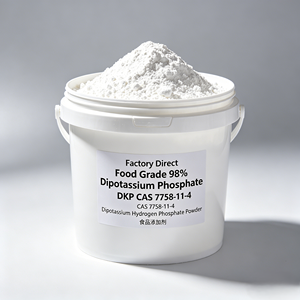
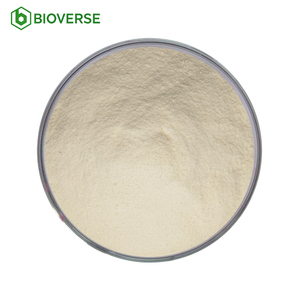
Monosodium Glutamate (MSG, E621, CAS 142-47-2) represents the purified sodium salt of L-glutamic acid, an naturally occurring amino acid responsible for the fifth basic taste standard: Umami. Modern industrial manufacturing of bulk MSG has evolved from historical wheat gluten acid hydrolysis into highly controlled, sustainable microbial bio-fermentation utilizing non-GMO sugar sources such as corn starch hydrolysate, sugarcane molasses, or cassava syrup.
Through aerobic fermentation driven by high-yielding bacterial strains such as Corynebacterium glutamicum or Brevibacterium flavum, carbon substrates are converted into L-glutamic acid with high metabolic conversion efficiency. The crude broth undergoes rigorous downstream processing including cell separation, microfiltration, decolorization via activated carbon, vacuum crystallization, sodium neutralization, and fluid-bed drying to yield food-grade Monosodium Glutamate with an active assay exceeding 99.0% to 99.5% purity.
Formulation Chemistry Insight: MSG functions by selectively binding to the T1R1/T1R3 heterodimeric G-protein coupled taste receptors on human lingual papillae. When combined with 5'-ribonucleotides (such as Disodium Inosinate - IMP and Disodium Guanylate - GMP), a conformational change occurs in the receptor domain, creating a multiplicative umami intensity curve up to 800% higher than MSG used in isolation.
As a specialized OEM manufacturing partner, we customize physical crystal morphology to match precise operational processing parameters—ranging from high-speed automated dry seasoning shakers to rapid-dissolution liquid broth lines.
| Crystal Grade / Mesh Size | Particle Range (μm) | Bulk Density (g/cm³) | Dissolution Rate | Primary Industrial Applications |
|---|---|---|---|---|
| Super Large Crystal (20-30 Mesh) | 600 - 850 μm | 0.85 - 0.92 | Moderate | Direct retail packaging, premium visual table shakers, specialty Asian food service. |
| Regular / Medium Crystal (40-60 Mesh) | 250 - 425 μm | 0.80 - 0.88 | Fast | Standard savory seasoning blends, canned soups, bouillons, cured meats, and snack dustings. |
| Fine Crystal (80-100 Mesh) | 150 - 180 μm | 0.72 - 0.78 | Very Fast | Dry seasoning rub formulations, instant noodle flavor packets, extruded snack seasonings. |
| Powdered / Ultra-Fine (>120 Mesh) | < 125 μm | 0.60 - 0.68 | Instantaneous | Micro-encapsulated flavor bases, emulsified sauces, liquid seasonings, and meat injection brines. |
Global public health guidelines and food safety authorities (including WHO, US FDA, and EFSA) continue to mandate reduced sodium levels across consumer packaged goods (CPG). However, simple sodium chloride (NaCl) reduction often leads to consumer dissatisfaction due to loss of sensory body, lingering bitterness, and flat flavor profiles.
Incorporating custom OEM Monosodium Glutamate into formulation matrices offers a scientifically validated mechanism for 30% to 40% overall sodium reduction without compromising taste perception. While sodium chloride contains approximately 39.34% sodium by weight, Monosodium Glutamate contains only 12.28% sodium—roughly one-third that of table salt.
Why leading global food processors, private label distributors, and CPG manufacturers choose our centralized ingredient supply network.
Streamline your supply chain by procuring Monosodium Glutamate alongside 3,000+ raw materials—including food phosphates, dehydrated vegetables, hydrocolloids, and plant proteins—on one single purchase order.
Freight & Admin SavingsEvery manufacturing lot undergoes batch chromatography and atomic absorption spectroscopy. Products are fully compliant with ISO 22000, FSSC 22000, Kosher, Halal, HACCP, and FSMA 204 requirements.
Zero-Defect QualityFrom 25 kg multi-wall polyethylene-lined kraft paper bags to 1,000 kg FIBC jumbo totes and private label foodservice cartons, we tailor particle sizing, anti-caking agents, and custom masterbatches.
Private Label ReadyAs food manufacturers navigate volatile global supply chains, rising energy tariffs, and shifting regulatory frameworks, procurement leadership must adapt to structural changes in raw material sourcing. Key trends shaping bulk MSG and food additive purchasing include:
Global food brands increasingly audit Tier-1 and Tier-2 suppliers for Scope 1, 2, and 3 carbon emissions. Modern bio-fermentation facilities are integrating biomass boilers, solar energy grids, and closed-loop water recovery systems. Sourcing bulk Monosodium Glutamate produced via sustainable bio-based feedstocks reduces the overall life-cycle carbon footprint of CPG end products.
While high-purity MSG remains the gold standard for cost-effective flavor enhancement, market demands for clean-label declarations have spurred development in hybrid seasoning matrices. Procurement teams are combining bulk MSG with autolyzed yeast extracts, fermented mushroom powders, and hydrolyzed peanut oligopeptides to balance unit-cost efficiency with consumer-friendly ingredient decks.
Relying on direct transoceanic container shipping poses significant operational disruption risks due to port congestion and maritime delays. Leading food manufacturers are partnering with regional distributor networks (utilizing strategically located logistics hubs across North America and Europe) to maintain safety stock and guarantee On-Time, In-Full (OTIF) dock deliveries under lower Minimum Order Quantities (MOQs).
Technical, logistical, and regulatory answers for R&D directors, purchasing managers, and QA auditors.
Our custom manufactured Monosodium Glutamate maintains a minimum purity assay of 99.0% (typically testing between 99.3% and 99.8% on HPLC/titration). We supply standard 30 mesh, 40 mesh, 60 mesh, 80 mesh, 100 mesh crystal powder, as well as customized micro-milled powders (>120 mesh) tailored to your specific processing equipment.
Yes. One of our core enterprise strengths is single-PO order consolidation. You can combine Monosodium Glutamate with meat sausage food phosphates, dehydrated garlic powder/flakes, pea protein isolates, dipotassium phosphate (DKP), and nutritional oligopeptides into a single mixed-pallet or full-truckload shipment, dramatically lowering administrative and freight overhead.
Every shipment includes a lot-specific Certificate of Analysis (COA) detailing purity assay, moisture content, optical rotation, heavy metals (Pb, As, Cd, Hg), micro-biological counts, and sieve particle analysis. Technical Data Sheets (TDS), Safety Data Sheets (SDS), Allergen Statements, Non-GMO declarations, Kosher, and Halal certificates are available upon request.
We offer multi-wall kraft paper bags (25 kg net weight) with heat-sealed inner polyethylene liners, 50 lb export boxes, 1,000 kg FIBC super sacks for automated discharge hoppers, and custom private label printed cartons for food service distributors.
Monosodium Glutamate contains only ~12% sodium compared to table salt's ~39%. By replacing a portion of sodium chloride with MSG and functional phosphate blends, meat processors can achieve up to a 40% reduction in total sodium while enhancing savory mouthfeel, moisture retention, and overall protein binding.
Connect directly with our technical ingredient specialists to request sample kits, Certificate of Analysis verification, mesh size customization, or consolidated truckload quotes.
Contact Us