Explore our high-purity proteins, botanical extracts, functional hydrocolloids, and custom flavor bases designed for global food, beverage, and nutraceutical manufacturing.
The global demand for high-grade animal protein powders—spanning bovine collagen peptides, whey protein isolates (WPI), whey protein concentrates (WPC), egg white albumen powders, and specialized meat broths—has undergone a profound structural shift. Driven by advanced nutritional science, clinical research into peptide bioavailability, and the expansion of active nutrition markets, procurement managers and R&D formulators require manufacturing partners that deliver far beyond basic raw material supply.
Modern OEM (Original Equipment Manufacturer) and ODM (Original Design Manufacturer) animal protein factories operate at the intersection of complex bioprocessing engineering, stringent veterinary health regulations, and nuanced food functional dynamics. As brands aim to differentiate through targeted amino acid profiles, rapid dispersion rates, and clean label guarantees, choosing an export partner equipped with modern isolation, filtration, and drying technologies is paramount.
Utilizing targeted endopeptidase and exopeptidase cleavage processes to achieve precise molecular weight distributions (1,000 to 3,000 Daltons), optimizing bio-absorption without introducing bitter peptide notes.
Full adherence to US FDA FSMA rules, European Union TRACES animal-by-product regulations, USDA inspection metrics, and regional Halal/Kosher dietary certification structures.
High-efficiency fluid-bed agglomeration paired with specialized lecithin coating technologies guarantees dust-free powders with sub-10-second cold-water dispersion capabilities.
To assist technical R&D and supply chain teams in selecting the optimal protein matrix for specific food, beverage, or supplement applications, the following technical data visualization outlines the core functional parameters across key OEM animal protein fractions compared to emerging botanical isolates:
| Protein Base Category | Protein Purity (%) | PDCAAS / DIAAS Rating | Solubility Range (pH) | Key Functional Attribute | Primary OEM Application |
|---|---|---|---|---|---|
| Hydrolyzed Bovine Collagen Peptides | 90.0% – 95.0% | 0.00 (Incomplete) / 0.82 | 2.0 – 9.0 (Fully Soluble) | Zero viscosity, high heat clarity | Beauty-from-within, Joint formulas, RTD Drinks |
| Whey Protein Isolate (WPI 90) | 90.0% – 93.0% | 1.00 / 1.15 | 3.0 – 7.5 (pH stable) | Rapid digestion, rich BCAA content | Sports nutrition powders, Clear Whey RTDs |
| Egg White Albumen Powder | 80.0% – 84.0% | 1.00 / 1.13 | 4.0 – 8.0 (Heat Gelling) | Superior foaming, binding, structural gelation | High-protein bakery, Meat analogs, Confectionery |
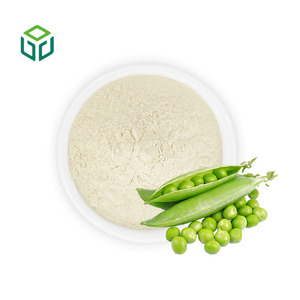
| Hydrolyzed Pea Protein Isolate | 80.0% – 85.0% | 0.89 / 0.93 | 3.0 – 7.0 (Moderate) | Hypoallergenic, plant-based claim | Vegan nutrition, Meal replacements, Savory bases |
| Peanut Oligopeptide Extract (98%) | 95.0% – 98.0% | High Bio-availability | 3.5 – 8.5 (Rapid Dissolve) | Fast cellular uptake, active peptide profile | Nutraceutical sachets, Recovery drinks |
Producing commercial-scale animal protein powders with zero batch-to-batch deviation requires precise control over upstream extraction, enzymatic cleavage, filtration, and spray drying thermal profiles. Tier-1 OEM/ODM exporters employ sophisticated multi-stage processing plants engineered for thermal preservation and microbiological control.
High-capacity contract manufacturing relies on integrated unit operations that preserve functional tertiary structures while removing unwanted fats, lactose, minerals, and odor-causing volatile organic compounds (VOCs):
A major challenge faced by food technology teams during product development is maintaining physical stability, texture, and flavor profile when fortifying formulations with high doses of animal protein. Proteins naturally interact with water molecules, ions, fats, and thermal cycles, which can cause syneresis, gritty textures, unwanted gelling, or flavor degradation during shelf life.
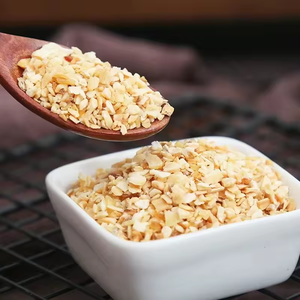
Leading OEM/ODM partners solve these formulation bottlenecks by combining animal protein isolates with synergistic functional ingredients. For instance, in meat processing and sausage manufacturing, animal proteins operate in tandem with starches, savory seasonings like Dehydrated Garlic Granules, and specialized emulsifying salts to lock in moisture, optimize cooking yield, and achieve targeted bite firmness.
Integrating exact grades of Carrageenan M213 prevents emulsion breakdown and phase separation in retorted liquid protein beverages and cured protein meats.
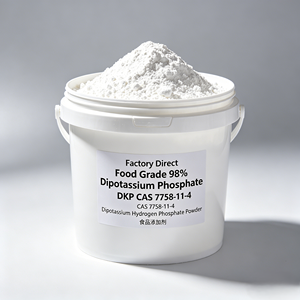
Utilizing high-purity Dipotassium Phosphate (DKP) maintains protein dispersion, prevents thermal coagulation during UHT processing, and optimizes solubility.
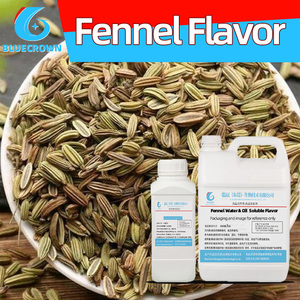
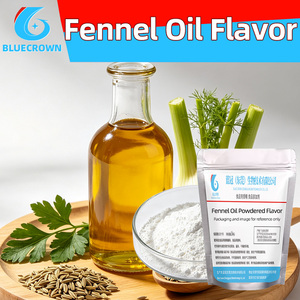
Deploying micro-encapsulated flavor bases, such as Artificial Fennel Oil Flavor Powders, neutralizes inherent gamey or bitter off-notes in hydrolyzed animal proteins.
Managing global supply chains for protein raw materials presents significant operational friction: navigating multiple vendor lead times, managing high minimum order quantities (MOQs), negotiating fragmented ocean freight rates, and ensuring strict compliance with evolving FDA, USDA, and international food safety mandates.
By leveraging established distribution networks—modeled on the proven consolidation infrastructure of industry leaders like Essex Food Ingredients—buyers transform complex procurement ecosystems into streamlined, low-risk operational models. Based out of major distribution hubs in Pennsylvania and New Jersey, consolidated sourcing partners provide strategic market access to over 3,000 functional food ingredients via a single purchase order (PO).
Combine animal proteins, plant isolates, plant extracts, phosphates, hydrocolloids, and spices into one unified delivery and single invoice.
Eliminate the requirement to purchase full ocean-container loads directly from overseas factories. Order the exact pallet quantities required to protect cash flow.
Every shipment comes fully backed by lot-specific Certificates of Analysis (COA), Allergen Statements, Safety Data Sheets (SDS), and Halal/Kosher accreditations.
Local inventories held across coast-to-coast distribution nodes prevent stock-outs, buffer against freight disruptions, and ensure short lead times.
As corporate sustainability goals, technical innovations, and consumer health trends evolve, global B2B buyers must anticipate upcoming market shifts in protein powder procurement. Enterprise buyers who proactively align their raw material strategies with these macro-trends will capture significant competitive advantages over the next decade.
1. Bioactive Functional Peptides Replacing Intact Proteins: The market is moving beyond simple macronutrient protein counting toward targeted bioactive peptide sequences. Future OEM factories are investing heavily in enzyme-mapping algorithms to produce hydrolyzed powders tailored for metabolic health, hypertension control, gut barrier integrity, and anti-inflammatory support.
2. Full Traceability and Upcycled Circular Rendering: Supply chain transparency is now a mandatory requirement for premium brand positioning. Buyers are demanding fully traceable sourcing protocols—ranging from grass-fed, pasture-raised bovine collagen systems to zero-waste poultry rendering streams that convert previously underutilized fractions into premium hydrolysates and savory broths.
3. Hybrid Animal-Plant Protein Matrices: R&D teams are increasingly formulating blended protein powders that combine the high DIAAS amino acid completeness of animal proteins (whey, collagen, egg) with the clean label image and sustainability metrics of plant isolates (such as Hydrolyzed Pea Protein Isolate or Peanut Oligopeptide Powder). OEM factories capable of dry-blending and stabilizing dual-source protein matrix powders are experiencing rapid growth.
4. Ultra-Clean Processing Without Synthetic Additives: Regulators and consumers are rejecting chemical extraction agents, heavy synthetic anti-caking additives, and artificial preservatives. Next-generation ODM exporters are replacing traditional carriers with natural plant fibers, organic lecithin, and physically modified starches to ensure 100% clean-label consumer declarations.
For standard, stock raw material powders (such as unflavored collagen or WPC80), minimum order quantities start at single 25kg bags or 500kg pallets. For custom ODM projects involving specialized enzymatic hydrolysis, custom flavor matching, micro-encapsulation, or proprietary pre-blends, minimum order runs typically range from 1,000kg to 3,000kg depending on processing complexity.
Top-tier export factories operate strict HACCP and BRCGS-certified cleanroom environments featuring positive air-pressure HVAC filtration, dedicated processing suites, and validated Clean-In-Place (CIP) sanitization cycles. Common allergens like dairy (whey), egg, soy, and peanuts are handled in segregated lines with mandatory ELISA allergen testing performed before product release.
Every export shipment is accompanied by a full technical dossier, including: Batch-specific Certificate of Analysis (COA), Country of Origin Verification, Veterinary Health Certificates (for animal-derived items), Nutritional Breakdown Statements, Heavy Metal & Microbiological Screenings, Radiation-Free Declarations, and Kosher/Halal certification documents where applicable.
Cleaving long-chain protein molecules into smaller peptide chains dramatically increases cold-water solubility and heat stability across wider pH spectrums. However, extensive hydrolysis can expose hydrophobic amino acids, creating a slight bitter taste. OEM factories utilize proprietary secondary enzymatic treatments or natural flavor-masking compounds to deliver clean, neutral-tasting powders.
Yes. By partnering with enterprise sourcing distributors, manufacturers can consolidate high-purity animal protein isolates with hydrocolloids, dipotassium phosphate buffers, dehydrated vegetable garnishes, and custom flavors into one single consolidated container shipment, reducing ocean freight costs, receiving dock labor, and import clearing paperwork.
Whether you require contract spray drying, custom bioactive peptide development, or a consolidated ingredient supply chain, our technical sales team is ready to support your formulation and procurement goals.