Explore our specialized functional ingredients engineered for non-dairy creamer production, protein stabilization, viscosity modification, and custom OEM powder manufacturing.
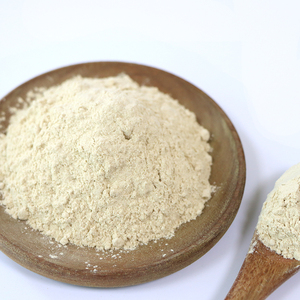
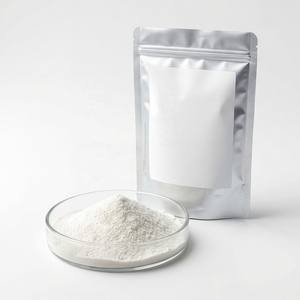
The global demand for non-dairy creamers across coffee, bubble tea, ready-to-drink (RTD) beverages, bakery, and industrial food matrixes has catalyzed a transformation in powder technology, fat encapsulation, and functional stabilization. As a modern B2B food technology and sourcing partner, our OEM/ODM non-dairy creamer operations integrate precision spray-drying, ultra-high pressure homogenization, and advanced buffer chemistry to solve complex formulation challenges for global food manufacturers.
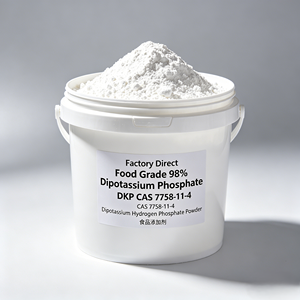
Modern non-dairy creamer (NDC) is an emulsion of spray-dried fat droplets encapsulated within a matrix of water-soluble carbohydrates and emulsifying proteins or food-grade hydrocolloids. Achieving thermal stability, instant cold-water solubility, resistance to acid-induced feathering in hot coffee, and a rich creaminess without synthetic trans-fats requires strict technical precision. By combining direct factory OEM/ODM co-packing capabilities with unified supply chain warehousing, we provide global buyers with single-purchase-order access to custom fat powder profiles (ranging from 20% to 75% fat content), stabilized with tailored buffering salts such as Dipotassium Phosphate (DKP) and Monosodium Phosphate (MSP).
OEM engineering utilizing Hydrogenated Palm Kernel Oil, Refined Coconut Oil, Soybean Oil, High Oleic Sunflower Oil, and MCTs tailored for specific melt profiles and mouthfeel.
Incorporation of 98% pure Dipotassium Phosphate (DKP) and refined Kappa Carrageenan to prevent protein coagulation and feathering in high-temperature coffee applications.
Fluidized bed agglomeration technology producing low-density, instant-dispersing powders with superior wettability in both hot and cold liquid systems.
A superior non-dairy creamer is not merely a combination of fat and carrier; it is a finely tuned colloidal system. Understanding how individual functional ingredients interact during pilot-scale formulation and commercial spray-drying is essential for B2B procurement teams and product development scientists.
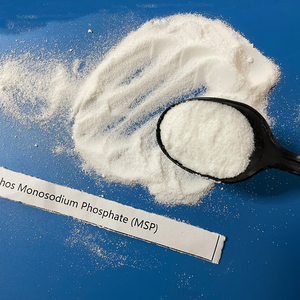
Coffee extracts are naturally acidic, with a pH ranging between 4.8 and 5.2. When standard creamer is introduced into hot coffee, the sudden drop in pH and exposure to high temperatures cause protein denaturation and milk-fat separation, known in the industry as "feathering". Factory-grade 98% Dipotassium Phosphate (DKP) acts as a powerful ionic buffer, maintaining the micro-environmental pH above the isoelectric point of proteins (such as Sodium Caseinate). Simultaneously, Monosodium Phosphate (MSP) assists in fine-tuning ionic strength, guaranteeing that the non-dairy creamer dissolves smoothly without flaking or sediment formation.
To replicate the rich body and heavy viscosity of whole dairy cream, hydrocolloids are introduced into the liquid emulsion prior to atomization. Refined Kappa Carrageenan (200 Mesh) forms a weak, reversible thixotropic gel network within the creamer matrix. This network suspends encapsulated fat globules evenly, preventing creaming or phase separation over extended shelf life, while imparting an indulgent mouthfeel to low-fat or zero-trans-fat creamer formulations.
Glucose syrup solids and maltodextrin serve as the primary structural carriers during spray-drying, forming a glassy amorphous solid around the micro-encapsulated fat droplets. Sodium Caseinate or hydrolyzed plant proteins (oat, pea, soy) act as primary surface-active agents, reducing interfacial tension between the oil phase and water phase during high-pressure homogenization (200-300 bar).
As consumer preferences evolve globally, OEM/ODM non-dairy creamer suppliers must adapt to stringent nutritional standards, clean-label mandates, and novel beverage application requirements. Our R&D and manufacturing teams closely track four key structural trends:
Global food security authorities (including US FDA, EFSA, and WHO) have effectively restricted partially hydrogenated oils (PHOs) due to industrial trans-fatty acid risks. Leading OEM factories have shifted entirely to zero-trans-fat oil systems utilizing enzymatic interesterification, fractionated coconut oils, and high-oleic sunflower lipids. These systems maintain high oxidative stability (Rancimat test > 20 hours) without compromising shelf-life stability.
Traditional creamer formulations rely on Sodium Caseinate (a milk derivative). Modern ODM demand is rapidly accelerating toward 100% plant-based, dairy-free alternatives. By leveraging hydrolysed oat flour, chickpea proteins, and sunflower lecithin, modern factories produce non-allergenic, vegan-certified creamer powders that deliver parity whitening power and mouthfeel without dairy allergen labeling.
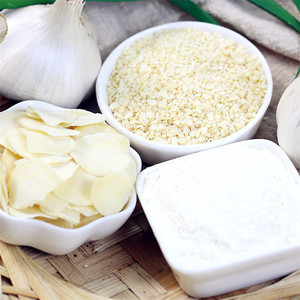
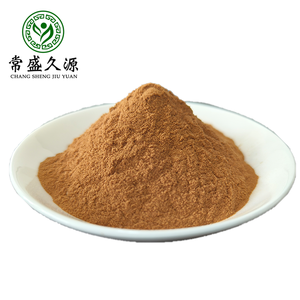
Non-dairy creamer is increasingly viewed as a delivery vehicle for active nutrition. Innovators in the beverage sector are requesting custom ODM dry-blends integrated with Medium Chain Triglycerides (MCTs) for keto lifestyle support, human milk oligosaccharides (3-FL HMOs) for gut microbiome health, micro-encapsulated multivitamin premixes, and botanical extracts (such as dehydrated garlic or brown pigments for natural color balancing in savory and specialty beverage formulations).
The rise of canned and bottled Ready-To-Drink (RTD) cold brew coffees and boba milk teas demands liquid-stable creamer bases capable of surviving retort sterilization (121°C for 20 minutes) and UHT thermal processing without emulsion breakdown or phase ring formation.
Procuring raw ingredients and custom OEM powders in today's volatile global market requires a pivot from multi-vendor management to consolidated strategic sourcing. Partnering with an integrated supplier network provides significant operational leverage:
Our comprehensive ingredient ecosystem combines deep technical expertise in food science with robust logistics infrastructure. Whether you require standard bulk creamer powder, technical buffer salts, or turnkey OEM formula development, our platform delivers unmatched capabilities:
State-of-the-art multi-stage spray towers capable of high-pressure homogenization, precise particle size control (80-200 mesh), and low bulk-density control for instant solubility.
Flexible packaging lines accommodating 25kg multi-wall Kraft paper bags with PE liners, 500kg bulk totes, retail-ready nitrogen-flushed sachets, and custom printed tins.
Full technical support providing detailed Allergen Statements, GMO Declarations, Heavy Metal Analysis, Microbiological Screenings, and Nutritional Fact panels for seamless compliance.
Here are explicit answers to key technical and supply chain questions raised by food technologists, purchasing directors, and operational leaders during the creamer procurement process.
Partner with an industry-leading OEM/ODM non-dairy creamer factory and global food ingredient distributor. Request technical specification sheets, CoA samples, and complete product catalogs today.
Get Catalog