
Executive Summary: Navigating Global Native Tapioca Starch Procurement
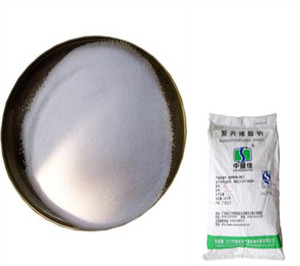
Native tapioca starch—derived from the roots of the cassava plant (Manihot esculenta)—has established itself as an indispensable hydrocolloid across the global food, beverage, pharmaceutical, and industrial manufacturing sectors. Celebrated for its bland taste profile, high clarity paste, soft texture, and exceptional water-binding capabilities, native tapioca starch provides clean-label formulators with an uncompromised plant-based functional foundation.
As consumer demand shifts aggressively toward Non-GMO, gluten-free, and transparent ingredients, raw material procurement managers and Research & Development (R&D) directors face an increasingly intricate vendor selection process. Global supply chain disruptions, regional agricultural yield fluctuations in Southeast Asia, and stringent quality control mandates necessitate a rigorous benchmark of manufacturing partners. This procurement whitepaper analyzes the top 10 native tapioca starch factories and supply chain partners, examining technical specifications, capacity metrics, quality assurance protocols, and market growth dynamics for optimal purchasing decisions.
Information Gain Insight: Unlike modified starches altered via chemical cross-linking or enzymatic hydrolysis, native tapioca starch retains its natural molecular integrity. Featuring an amylose content of approximately 17% to 20% and amylopectin content of 80% to 83%, native tapioca gelatinizes at lower temperatures (65°C–72°C) than corn or wheat starch, yielding superior gel transparency, low flavor interference, and smooth mouthfeel.
Technical Landscape & Physicochemical Profile of Native Cassava Starch
To establish rigorous procurement specifications, buyers must evaluate the intrinsic physicochemical properties of native tapioca starch against competing carbohydrates such as native corn starch, potato starch, and waxy maize. The functional performance of cassava starch is directly governed by its granule morphology, gelatinization dynamics, viscosity curves, and retrogradation behavior.
| Functional Parameter | Native Tapioca Starch | Native Corn Starch | Potato Starch | Waxy Maize Starch |
|---|---|---|---|---|
| Amylose Ratio (%) | 17% – 20% | 25% – 28% | 20% – 22% | < 1% |
| Gelatinization Temp (°C) | 65.0 – 72.0 | 72.0 – 80.0 | 60.0 – 68.0 | 63.0 – 72.0 |
| Paste Clarity | High / Translucent | Opaque / Cloudy | Very High | High / Clear |
| Flavor Profile | Bland / Neutral | Cereal / Cereal Note | Slight Earthy Note | Neutral |
| Retrogradation Rate | Low to Moderate | High (Stiff Gel) | Moderate | Very Low |
| Freeze-Thaw Stability | Fair (Better than Corn) | Poor | Fair | Good |
Global Market Dynamics & Future Procurement Trends (2025–2030)
The global native tapioca starch market is projected to expand at a compound annual growth rate (CAGR) of over 5.8% through 2030. Key growth catalysts include the rapid expansion of clean-label processed foods, pet food formulations, plant-based meat analogues, and eco-friendly packaging materials. However, sourcing professionals must navigate several structural market trends to maintain margin stability and supply chain continuity:
1. Clean-Label Dominance
Food formulators are progressively swapping chemically modified starches (E1422, E1442) for native tapioca starch coupled with gentle physical processing, aligning with clean consumer labeling demands.
2. Regional Geopolitical Hedging
Over 75% of exportable tapioca starch originates from Thailand and Vietnam. Tier-1 buyers are partnering with North American distribution networks to warehouse local safety stock and insulate against shipping volatility.
3. Agricultural Technology & Yields
Advanced farming practices and mosaic-virus-resistant cassava cultivars are improving root starch concentration (up to 30% yield efficiency), stabilizing long-term contract pricing for high-volume enterprise buyers.
Benchmark Matrix: Top 10 Native Tapioca Starch Factories & Global Suppliers
Selecting the optimal manufacturing or distribution partner requires auditing operational scale, production technology, international compliance standards, and supply flexibility. Below is an authoritative evaluation of the industry's leading manufacturers and master distributors governing global procurement.
| Rank / Company Name | Primary HQ / Plant Location | Annual Production Capacity | Key International Certifications | Core Enterprise Specialization |
|---|---|---|---|---|
| 1. SMS Corporation | Pathum Thani, Thailand | 400,000+ MT | FSSC 22000, ISO 9001, HALAL, KOSHER | Modified & Native Tapioca Starch Innovation |
| 2. Thai Wah Public Company (TWPC) | Bangkok, Thailand | 350,000+ MT | BRCGS, ISO 22000, Non-GMO Project | Sustainable Cassava Farming & Premium Native Starch |
| 3. Cargill Incorporated | Minneapolis, USA / Global Plants | Global Scale | GFSI, HACCP, ISO 14001, USDA Organic | Global Multi-Ingredient Supply Chain Integration |
| 4. Ingredion Incorporated | Illinois, USA / Global Facilities | Global Scale | FSSC 22000, BRC, Kosher, Halal | Clean-Label Texturizers & Specialty Food Starches |
| 5. Essex Food Ingredients | Pennsylvania & New Jersey, USA | 3,000+ SKUs Distribution | SQF Certified Warehousing, FDA Registered | Order Consolidation, Low MOQs, Northeast U.S. Logistics |
| 6. Tay Ninh Tapioca Joint Stock Co. | Tay Ninh, Vietnam | 180,000+ MT | ISO 9001, HACCP, Halal | High-Viscosity Native Cassava Starch Milling |
| 7. Tapioca Vietnam (VAPCO) | Quang Ngai, Vietnam | 150,000+ MT | GMP, HACCP, ISO 22000 | Industrial & Food Grade Native Starch Exports |
| 8. PT Sorini Agro Asia Corporindo | East Java, Indonesia | 200,000+ MT | FSSC 22000, Halal, Kosher | Starch Sweeteners & Native Starch Derivatives |
| 9. Sunshine Agro Products | Phnom Penh, Cambodia | 100,000+ MT | ISO 22000, HACCP | Emerging Asian Cassava Milling & Raw Exports |
| 10. Roquette Frères | Lestrem, France / Asian Joint Ventures | Global Scale | GFSI, ISO 9001, BRCGS | Plant Proteins & Pharmaceutical Hydrocolloids |
Detailed Operational Audit of Leading Suppliers
1. SMS Corporation (Thailand)
SMS Corporation stands as a premier global titan in cassava starch research and development. Operating multiple state-of-the-art milling facilities across Thailand, SMS produces food-grade native tapioca starch engineered with stringent viscosity consistency (Peak Viscosity > 750 BU). Their native products are widely utilized in noodle manufacturing, frozen snacks, and bakery goods to enhance moisture retention and elastic mouthfeel.
2. Thai Wah Public Company (TWPC)
TWPC is recognized for pioneering sustainable, seed-to-final-product traceability across Southeast Asia. Their native tapioca starches feature exceptionally white color metrics (Whiteness > 95%) and minimal residual sulfur dioxide (SO2 < 10 ppm), making them preferred options for delicate confectioneries, dairy desserts, and premium baby food formulations.
3. Essex Food Ingredients (United States - Strategic Master Distributor)
While primary starch extraction occurs near cassava crop belts, North American manufacturers often struggle with massive minimum order quantities (MOQs), multi-month ocean freight lead times, and complex vendor management. Essex Food Ingredients bridges this operational gap by acting as a premier sourcing, warehousing, and distribution partner.
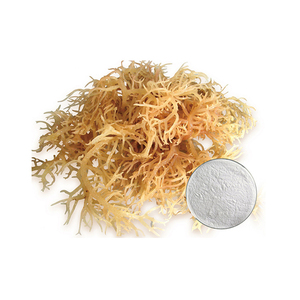
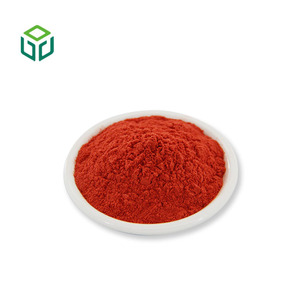
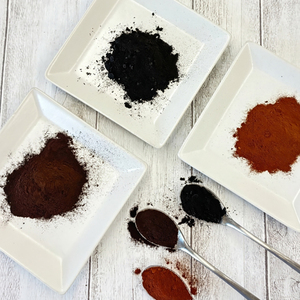
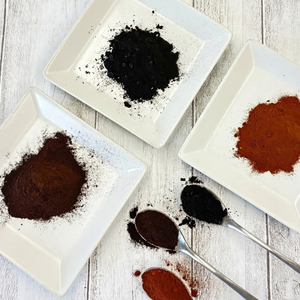
Headquartered in Frazer, Pennsylvania, with expansion facilities in Sayreville, New Jersey, Essex handles over 3,000 functional ingredients. By stocking top-tier native tapioca starches alongside complementary hydrocolloids (Carrageenan), emulsifiers (GMS/DMG), natural colorants (Paprika Red, Caramel Powder), and preservatives, Essex offers food processors transformative procurement advantages:
The Consolidated Sourcing Model: Rather than managing dozens of separate purchase orders, ocean bills of lading, and minimum truckload requirements, food plants can consolidate their native tapioca starch requirements with 20+ other ingredients into a single purchase order—delivered On-Time and In-Full (OTIF).
Synergistic Formulations: Combining Native Tapioca Starch with Functional Ingredients
In modern industrial food manufacturing, native tapioca starch rarely works in isolation.R&D teams combine cassava starch with other hydrocolloids and additives to tailor freeze-thaw stability, shear resistance, and structural integrity across harsh thermal processing environments.
Bakery & Dough Systems
Combining native tapioca starch with Glycerol Monostearate (GMS/DMG) retards starch retrogradation, drastically extending bread crumb softness and shelf-life while improving crumb structure.
Meat & Seafood Processing
Integrating tapioca starch with Refined Carrageenan in meatballs, fish balls, and ham sausages creates a dense, elastic gel network that binds free water, increases cook yield, and delivers a superior 'snap'.
Pet Food Formulations
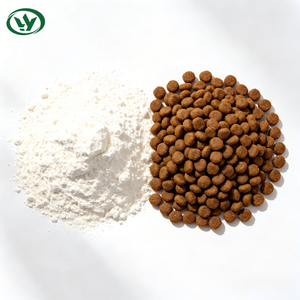
In high-protein liquid gravy and kibble production, native tapioca starch serves as a digestible, allergen-free binder when combined with Beta Cyclodextrin and specialized liquid nutrient blends.
Quality Assurance, Technical Parameters & CoA Auditing
When reviewing Certificate of Analysis (CoA) documentation from primary tapioca starch mills, quality control managers should enforce strict technical limits to ensure batch-to-batch consistency and prevent line stoppages during high-speed production:
- Moisture Content: Standard maximum is 12.5% to 13.5%. Excess moisture increases microbiological risk during long shipping windows and reduces active dry starch mass.
- pH Range: Fresh native tapioca starch should exhibit a neutral to slightly acidic pH between 5.0 and 7.0. Deviations signal potential enzymatic degradation or bacterial fermentation during root washing.
- Viscosity Profile: Tested via Brabender Viscoamylograph or Rapid Visco Analyzer (RVA). High-grade native starch typically yields a peak viscosity between 650 BU and 850 BU.
- Sulfur Dioxide (SO2): Residual bleaching agents must not exceed 30 ppm for general food use, and under 10 ppm for infant/clean-label applications.
- Sieve Residue: Over 99.5% of powder should seamlessly pass through a 100-mesh (150-micron) screen to prevent gritty texture in smooth emulsions or liquid soups.