As a premier supplier and exporter, our facility manufactures high-grade dehydrated onion powder alongside a specialized catalog of functional additives, flavor compounds, and savory base ingredients tailored for global food manufacturing.
In the global industrial food processing sector, dehydrated onion powder serves as a foundational organoleptic constituent, imparting pungency, savory aroma, and natural Maillard precursors to soups, snacks, meat marinades, sauce bases, and dry seasonings. China has solidified its position as the premier global hub for agricultural dehydration, producing high-yielding Allium cepa varieties cultivated under optimal climate conditions across Shandong, Gansu, Xinjiang, and Jiangsu provinces.
Our enterprise operates vertically integrated supply chains, connecting farming cooperatives with advanced continuous hot-air dehydration (AD) lines. By leveraging automated sorting, optical color selection, magnetic metal separation, and closed-loop pulverization, we deliver food-grade onion powder that consistently meets strict European Union (EC), US FDA, and Codex Alimentarius standards.
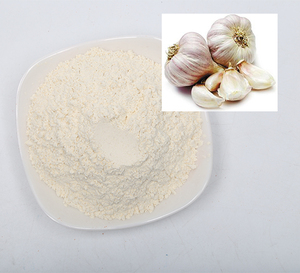
Direct factory sourcing eliminates broker markups. Our order consolidation programs allow buyers to combine dehydrated garlic, carrageenan, and savory flavor pastes under a single Purchase Order (PO).
All export batches undergo validated Steam Sterilization or ETO treatments, effectively lowering Total Plate Counts (TPC) to < 10,000 CFU/g while guaranteeing zero Salmonella and E. coli contamination.
Available in 80-mesh fine powder, 100-mesh, and micro-milled 120-mesh specifications packed in 20kg/25kg multi-wall kraft paper bags with heavy-duty thermal-sealed polyethylene inner liners.
To enable R&D scientists and procurement specialists to make data-driven sourcing decisions, the following matrix details the physical, chemical, and microbiological standards of our export-grade Dehydrated Yellow and White Onion Powder:
| Quality Parameter | Standard Export Specification | Testing Methodology | Industrial Impact |
|---|---|---|---|
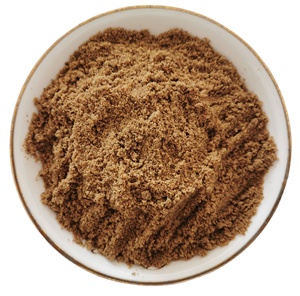
| Appearance | Creamy White to Light Yellow Fine Powder | Visual / Colorimeter (L*a*b*) | Ensures consistent batch-to-batch visual appearance in clear broths & light sauces |
| Moisture Content | ≤ 6.0% Max | Vacuum Oven Drying (105°C, 4 hrs) | Prevents clumping, caking, and moisture-induced enzymatic browning during storage |
| Particle Size (Mesh) | 80 Mesh - 120 Mesh (95% Pass Rate) | Standard Sieve Analysis (ISO 3310-1) | Determines solubility speed, dispersion uniformity, and mouthfeel in dry mixes |
| Pyruvic Acid Content | ≥ 15.0 μmol/g (High Pungency) | DNPH Colorimetric Assay | Direct indicator of authentic, pungent onion flavor impact upon reconstitution |
| Total Ash | ≤ 5.0% Max | Muffle Furnace Ashing (550°C) | Confirms absence of soil, sand, and inorganic mineral adulterants |
| Total Plate Count (TPC) | < 10,000 CFU/g (Steam Sterilized) | ISO 4833-1:2013 | Protects shelf life in non-retorted dry spice rubs and instant meal sachets |
| Sulphur Dioxide (SO2) | < 30 ppm / SO2 Free Options | Monier-Williams Distillation Method | Complies with global clean-label policies and allergen disclosure laws |
The dehydrated vegetable market is undergoing a structural transformation driven by consumer clean-label demands, geopolitical supply disruptions, and climate-induced yield variances. Food manufacturers transitioning from raw onion paste or fresh onions to dry onion powder realize up to 40% reduction in cold-chain logistics costs and eliminate storage rot losses entirely.
Historically, ethylene oxide (ETO) and methyl bromide were widely used for decontamination. However, stringent EU regulations (Regulation EC 396/2005) banning ETO residues have accelerated the adoption of continuous high-pressure saturated steam sterilization. Modern Chinese processing centers have invested in continuous steam towers that achieve a 5-log reduction in pathogens without altering volatile flavor oils or darkening product color.
Global enterprise buyers now demand total transparency regarding agrochemical applications. Leading Chinese exporters utilize contract farming models where seed strain, irrigation water purity, heavy metal soil screening (Lead, Cadmium, Arsenic), and pesticide application schedules are tracked via digital agronomy platforms. This ensures complete compliance with global Maximum Residue Limits (MRLs).
Navigating individual supply chains for dried garlic, onion powder, hydrocolloids (such as carrageenan), and phosphate texturizers creates unnecessary administrative overhead. Progressive buyers are shifting toward supply partners capable of consolidating multiple raw materials into single container shipments (FCL), drastically cutting port handling fees, customs clearing costs, and safety stock requirements.
Dehydrated onion powder does not operate in isolation within commercial formulations. In ready-to-eat (RTE) meals, extruded snacks, canned meats, and plant-based protein analogs, flavor building requires a harmonious interaction between savory ingredients and functional texturizers.
Combining Allium cepa (onion) with Allium sativum (garlic powder) forms the backbone of savory seasoning profiles. The organosulfur compounds—diallyl disulfide and allicin derivatives—interact synergistically to enhance umami perception without increasing sodium levels.
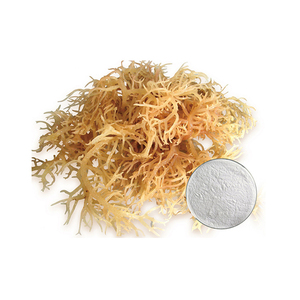
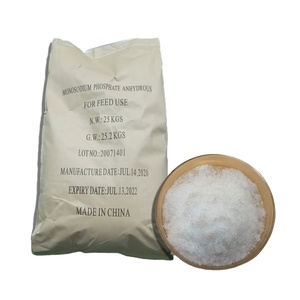
In processed meat and poultry formulations, onion powder provides flavor while hydrocolloids like Pure Refined Carrageenan and Monosodium Phosphate optimize moisture retention, emulsion stability, and cook yield.
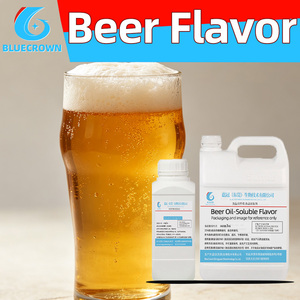
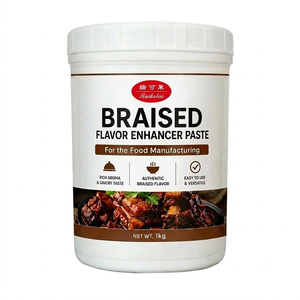
Formulators combining onion powder with oil-soluble flavor compounds or compound braised pastes achieve deep, slow-cooked caramelized onion notes in instant soup stocks and hot pot bases without lengthy reduction cycles.
Rooted in robust agricultural processing hubs and supported by global supply chain management models, our facility bridges the gap between high-volume manufacturing and localized client convenience. By integrating advanced processing technologies with flexible commercial terms, we empower multinational brands, regional co-packers, and emerging food businesses.
Unlike traditional direct mills requiring massive minimum order quantities, we maintain strategic inventory reserves to support right-sized orders, helping buyers optimize working capital and minimize warehouse foot-print.
Every shipment is backed by a comprehensive QA dossier: Certificate of Analysis (COA), Technical Data Sheet (TDS), Allergen Statement, Non-GMO Declaration, Heavy Metal Analysis, and Halal/Kosher Certifications.
Our food technologists assist application teams in resolving formulation challenges, such as flavor loss during high-temperature extrusion, clumping in humid environments, or clean-label ingredient replacement.
AD (Air Dehydrated) Onion Powder is manufactured using continuous hot-air drying towers. It delivers a robust, slightly warm, authentic roasted flavor ideal for heavy savory applications, soups, meats, and sauces at a highly cost-effective price point. FD (Freeze Dried) Onion Powder undergoes sublimation under vacuum, preserving the raw fresh onion bite and bright white color, but commands a significantly higher price. Over 95% of global food processors select AD onion powder for industrial applications.
Dehydrated onion powder is highly hygroscopic due to its natural low-molecular-weight sugars (fructans). We mitigate caking by: (1) Drying strictly to ≤ 6.0% moisture; (2) Packing immediately in climate-controlled cleanrooms into 25kg multi-layer paper bags with heavy-duty PE inner bags; (3) Offering optional food-grade anti-caking agents such as Silicon Dioxide (E551) or Calcium Silicate upon customer request.
For dry spice rubs and seasoning blends, an 80-mesh powder is recommended to match the particle grain size of table salt and granulated garlic, preventing particle segregation in the shaker bottle. For canned soups, instant noodles, and liquid sauces, a fine 100-mesh or 120-mesh powder ensures rapid hydration and complete dispersion without leaving gritty residues.
Yes. Order consolidation is one of our key strategic advantages. Customers can combine Dehydrated Onion Powder, Dehydrated Garlic Powder, Monosodium Phosphate, Refined Carrageenan, and Savory Flavor Pastes into a single 20ft or 40ft container (FCL), optimizing freight logistics and reducing landed costs.
We provide two primary decontamination methods: Steam Sterilization (pure thermal treatment, ideal for 100% natural and clean-label European markets) and Ethylene Oxide (ETO) Treatment (where permitted by regional regulations). Saturated steam sterilization achieves complete destruction of vegetative pathogens and spore-formers without leaving chemical residues.
When stored in its original unopened double-barrier packaging in a cool, dry warehouse (< 20°C / 68°F and < 60% relative humidity), our dehydrated onion powder maintains a guaranteed shelf life of 24 months from the date of manufacture.
Every raw crop batch is sampled and analyzed using LC-MS/MS and GC-MS/MS screening techniques covering over 500 pesticide active ingredients. Analytical test reports from accredited third-party laboratories (such as Eurofins or SGS) are available for every production lot.
Fresh yellow and white onion harvesting in China peaks between June and September. During this period, processing capacity is at its maximum. Standard production lead time for customized FCL orders is 10 to 15 business days from PO confirmation to port delivery (Qingdao / Tianjin port).
Request comprehensive technical specifications, custom factory pricing, sample kits, and supply chain consolidation options directly from our technical sales engineering team.
Get Catalog