
Direct factory supply from premier Chinese manufacturing facilities with comprehensive COA, ISO, Halal, Kosher, and USDA Organic certifications.
An in-depth technical analysis of processing technology, global supply chain dynamics, and regulatory compliance protocols for alternative protein procurement.
China's lead in industrial scale wet-fractionation utilizes sub-micron membrane separation technologies. This ultra-low-temperature physical processing preserves the native globular protein structure, guaranteeing a Nitrogen Solubility Index (NSI) exceeding 90% without chemical denaturation.
Modern Chinese exporters deploy real-time ICP-MS (Inductively Coupled Plasma Mass Spectrometry) testing alongside HPLC liquid chromatography to ensure zero pesticide residues, heavy metals below 0.1 ppm, and strict IP (Identity Preserved) Non-GMO verification.
Over the past decade, China has established itself as the indispensable epicenter of global plant-based protein manufacturing and export. By leveraging colossal agricultural processing infrastructure in provinces such as Shandong, Heilongjiang, and Henan, Chinese manufacturers control over 60% of the worldwide supply of Isolated Soy Protein (ISP) and dominate up to 80% of global Pea Protein Isolate production capacity. This supremacy is not merely a product of raw agricultural scale, but the result of sophisticated, capital-intensive investments in bioprocessing engineering, enzyme enzymatic modification, and waste-stream valorization.
For international procurement directors, R&D food scientists, and commercial purchasing leaders, partnering with top-tier Chinese exporters delivers unmatched cost efficiency, batch-to-batch consistency, and supply chain security. The synergy between massive raw material reserves (such as non-GMO soybeans from Heilongjiang's rich black soil) and state-of-the-art automated isolation facilities enables Chinese producers to offer highly specified protein powders tailored to demanding food applications—ranging from meat analogs and dairy alternatives to clinical nutraceuticals and athletic performance supplements.
| Protein Source | Protein Concentration (Dry Basis) | NSI (Solubility Index) | PDCAAS Score | Primary Functional Application |
|---|---|---|---|---|
| Isolated Soy Protein (ISP) | ≥ 90.0% | 85% - 92% | 1.00 | Emulsified meat products, nutrition bars, dairy alternatives |
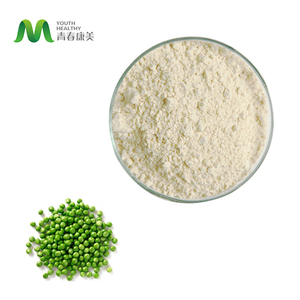
| Pea Protein Isolate (PPI) | 80.0% - 85.0% | 75% - 85% | 0.78 - 0.89 | Allergen-free meal replacements, vegan beverages, extruded snacks |
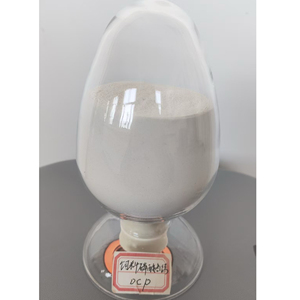
| Peanut Oligopeptide Powder | ≥ 98.0% (Peptides) | 98% - 100% | 0.95+ | Nutraceutical beverages, rapid-absorption sports recovery, eldercare nutrition |
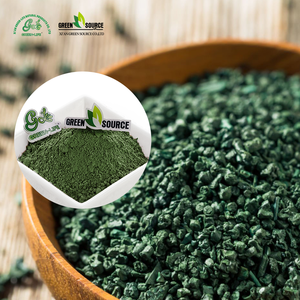
| Spirulina Microalgae Powder | 60.0% - 65.0% | 60% - 70% | 0.84 - 0.91 | Superfood formulations, dietary supplements, natural pigmentation |
The global demand for authentic plant-based meat substitutes has forced a paradigm shift in protein extraction technology. Leading Chinese exporters have integrated twin-screw High Moisture Extrusion Cooking (HMEC) directly into their post-isolation workflows. By applying precise thermomechanical shear forces at moisture levels between 50% to 70%, proteins undergo real-time molecular realignment, converting globular plant proteins into fibrous, anisotropic muscle-like structures.
Furthermore, for liquid beverage applications—where protein precipitation and gritty mouthfeel remain major formulation hurdles—Chinese bio-engineers utilize enzymatic modification (microbial transglutaminase and specialized endoproteases). This targeted hydrolysis reduces molecular weight while increasing carboxyl and amino groups, drastically improving heat stability during UHT (Ultra-High Temperature) processing and preventing phase separation in RTD (Ready-To-Drink) protein shakes.
Navigating regulatory evolution, sustainability mandates, and order consolidation strategies in international ingredient purchasing.
Rising global ocean freight costs and warehouse storage rates are driving buyers away from fragmented multi-vendor procurement. Enterprise distributors now prefer single-source consolidated shipments—combining plant proteins, hydrocolloids (like gums and starches), yeast extracts, and phosphates into unified container loads to maximize working capital efficiency.
Consumer aversion to major 9 allergens has accelerated the rapid transition from conventional soy to yellow pea, green pea, mung bean, and peanut oligopeptide proteins. Formulators actively seek clean-label ingredients produced via chemical-free solvent extraction, eliminating hexane residuals entirely.
To mitigate international transit friction, top export manufacturers are creating strategic North American and European warehousing networks. Maintaining inventory localized in regional centers (such as Pennsylvania and New Jersey hubs) guarantees short, reliable lead times and on-time, in-full (OTIF) delivery schedules.
Integrating world-class Chinese manufacturing capabilities with localized supply chain management and R&D support.
Access an expansive catalog ranging from isolated plant proteins and hydrocolloids to food-grade phosphates (MSP, DCP) and botanical extracts (Angelica Sinensis, Spirulina). Simplify accounting and sourcing into one single purchase order.
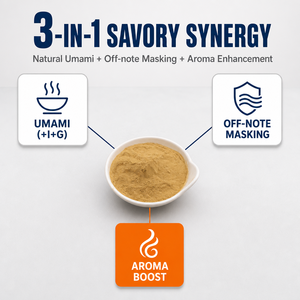
Our experienced food technologists provide bench-to-scale-up support. Whether optimizing gelling strength, masking plant off-notes, or engineering cost-reduced reformulations, we deliver complete technical solutions.
Eliminate excessive working capital lockup. By leveraging consolidated bulk purchasing and centralized domestic stock, enterprise buyers can purchase precise quantities tailored to real production runs.
Comprehensive answers for purchasing agents, quality control specialists, and product development managers.
Quality assurance for imported plant proteins centers on four critical pillars: Protein Content (Dry Basis), verified via Kjeldahl or Dumas combustion methods (≥90% for isolates, ≥80% for concentrates); Nitrogen Solubility Index (NSI) to confirm functional solubility; Microbiological Purity (Standard Plate Count <10,000 CFU/g, zero Salmonella/E. coli); and Heavy Metal Quantification via ICP-MS to ensure Lead <0.2 ppm and Arsenic <0.1 ppm. Reputable Chinese exporters provide batch-specific Certificates of Analysis (COA) audited by independent third-party laboratories such as SGS or Eurofins.
Beany off-flavors in legumes stem primarily from lipoxygenase-catalyzed oxidation of unsaturated fatty acids. Top-tier Chinese manufacturers employ a combination of ultrafiltration, flash evaporation vacuum de-aromatization, and proprietary enzymatic treatments. This physical and enzymatic process removes volatile hexanal and 1-octen-3-ol compounds, producing a neutral-tasting powder ideal for delicate dairy and beverage formulations.
When stored in original unopened multi-wall paper bags with inner polyethylene liners, high-purity isolated soy and pea proteins maintain a standard shelf-life of 24 months from the date of manufacture. Ambient storage conditions should be maintained below 25°C (77°F) and relative humidity under 65%. Prolonged exposure to heat or humidity accelerates Maillard browning reactions and compromises protein solubility.
Order consolidation allows global buyers to combine diverse product categories—such as Isolated Soy Protein, Monosodium Phosphate (MSP), Yeast Extract Powder, and Peanut Oligopeptides—into a single FCL (Full Container Load) or LCL shipment. This service dramatically reduces landed ocean freight rates, simplifies customs clearance under one set of shipping documents, and reduces accounting overhead by streamlining multiple vendor payables into a single invoice.
Yes. Leading Chinese manufacturing facilities feature advanced fluid-bed granulators and custom pin mills capable of tailoring physical powder specifications. Standard particle size options range from 80-mesh (for general food binding) to 100-mesh and 200-mesh ultra-fine powders (for instant beverage dissolution). Instantized lecithin-coated proteins are also available for cold-water dispersible applications.
Absolute Non-GMO integrity is enforced through rigorous IP (Identity Preserved) supply chain protocols. Raw agricultural crops are sourced from dedicated Non-GMO planting zones in Northeast China. Each grain batch undergoes strip testing at harvest, dedicated transportation in sealed containers, PCR genetic testing prior to processing, and final verification in certified testing facilities to ensure 100% compliance with international Non-GMO standards.
Request customized technical specification sheets, commercial pricing matrices, or laboratory samples directly from our global ingredient specialists.