Explore our integrated raw material offerings sourced from verified global manufacturing facilities, backed by single purchase-order consolidation and flexible minimum order quantities (MOQs).
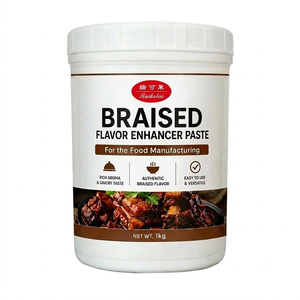
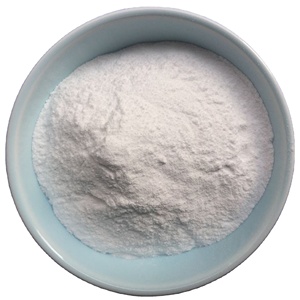
In modern industrial food manufacturing, pharmaceutical formulation, and papermaking processes, corn starch powder (maize starch) serves as one of the most versatile, high-demand polysaccharide polymers worldwide. Extracted from the endosperm of the corn kernel (Zea mays), purified starch powder consists of two primary carbohydrate fractions: linear amylose (typically 22%–28%) and highly branched amylopectin (72%–78%). This precise structural ratio dictates its specific paste clarity, gelatinization kinetics, shear resistance, and gel strength.
As international supply chains navigate climate-induced agricultural yield fluctuations, energy price shifts in wet-milling operations, and strict clean-label regulatory standards across North America, the EU, and Asia-Pacific, procurement directors face a dual challenge. Enterprise buyers must balance strict technical compliance (USP/FCC/EP/ISO standards) with operational agility. Working through qualified global starch manufacturers and integrated supply chain partners—such as Essex Food Ingredients / Sencillo Foods—allows food processors, bakery manufacturers, and industrial buyers to streamline sourcing via consolidated purchase orders, lower minimum order quantities (MOQs), and localized warehouse fulfillment.
Understanding the fundamental distinction between native and modified starch polymers is essential for R&D formulators and enterprise procurement managers seeking optimal functionality under specific processing parameters (e.g., high thermal shear, low pH, or freeze-thaw cycles).
Pure, ungelatinized carbohydrate extracted via aqueous wet-milling. Gelatinizes between 62°C and 72°C. Excellent as an economical binder, bodying agent, and moisture absorber in dry powder blends, baking mixes, and tablet formulations. Susceptible to retrogradation (syneresis) upon cooling.
Includes pre-gelatinized (cold-water soluble) and heat-moisture treated (HMT) starches. Physical modification physically disrupts the crystalline granule structure, enabling instant viscosity creation without cooking—ideal for instant puddings, bakery fillings, and cold-process sauces.
Treated with food-grade cross-linking agents (e.g., sodium trimetaphosphate or phosphorus oxychloride). Chemical cross-linking reinforces intermolecular bonds, imparting extreme stability against thermal breakdown, acidic pH, and high mechanical shear in retort or aseptic processing.
| Starch Category | Gelatinization Temp (°C) | Shear & Acid Resistance | Freeze-Thaw Stability | Primary Target Applications |
|---|---|---|---|---|
| Native Corn Starch | 62°C – 72°C | Low | Poor (High retrogradation) | Dry bakery mixes, extruded snacks, paper sizing, corrugated board adhesives |
| Pre-Gelatinized Starch | Cold water soluble (< 25°C) | Moderate | Moderate | Instant soups, cold bakery fillings, beverage stabilizers, pharmaceutical binders |
| Distarch Phosphate (Cross-Linked) | 75°C – 88°C | Very High | Moderate to High | Retort canned soups, high-acid fruit fillings, processed meat emulsions |
| Hydroxypropylated Starch | 58°C – 66°C | High | Exceptional (Minimal syneresis) | Frozen ready-meals, frozen doughs, refrigerated salad dressings, confectionery |
| Dextrin / Maltodextrin | Soluble | High | High | Flavor encapsulation, beverage carrier, bulk sweetener substitute |
As global manufacturing shifts toward sustainability, supply chain transparency, and clean labeling, starch procurement strategies are evolving rapidly. B2B purchasing executives must align their supply chain architecture with four key emerging market trends:
Consumer demand for simple, recognizable ingredients has prompted food manufacturers to replace chemically modified starches (E-numbers such as E1422, E1442) with functional native starches and thermal-physically treated clean-label starches. Leading exporters are expanding certified Non-GMO Project Verified and Organic maize supply lines to fulfill European and North American retail demands.
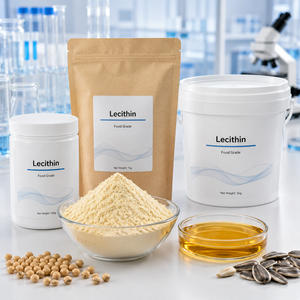
Formulators rarely utilize starch in isolation. Advanced texture management relies on co-formulating starch with hydrocolloids (xanthan gum, guar gum) and natural emulsifiers such as Soy Lecithin E322 or functional Food Phosphate Blends. For example, combining modified corn starch with soy lecithin in baked goods improves moisture retention, retards staling, and creates a silky mouthfeel while lowering overall fat content.
Traditional procurement directly from primary wet-mill giants often requires full truckload (FTL) or ocean container commitments (20–25 metric tons), tying up significant working capital. The industry is rapidly pivoting toward specialized distribution partners like Essex Food Ingredients, allowing companies to combine food starches, enzymes, phosphates, and flavor enhancers into a single consolidated purchase order with reduced minimum quantities.
Major international manufacturers (e.g., Cargill, Ingredion, Tate & Lyle, Grain Processing Corporation) are investing heavily in low-emission corn wet-milling plants. Milled corn fractionization efficiency, water recycling loops, and renewable energy integration are becoming core supplier scoring criteria in ESG-driven vendor evaluations.
Managing multiple supplier audits, ocean freight delays, complex customs paperwork, and erratic lead times can paralyze manufacturing operations. Essex Food Ingredients operates as a comprehensive ingredient sourcing and distribution partner handling 3,000+ functional ingredients from hundreds of verified manufacturers.
With headquarters in Frazer, PA, facilities in Sayreville, NJ, and strategic warehouse points across the U.S. (including Ohio, Wisconsin, Texas, and North Carolina), we ensure on-time, in-full delivery to keep production lines running without interruption.
Eliminate vendor clutter. Combine corn starch, phosphates, food-grade emulsifiers, botanical extracts, and flavor enhancers into one purchase order, reducing administrative overhead and landed freight costs.
All corn starch lots undergo rigorous documentation validation—including Certificates of Analysis (COA), heavy metal screening, microbiological testing, Allergen statements, Halal, Kosher, and GFSI (SQF/BRC) certification verification.
When auditing prospective corn starch powder manufacturers or bulk exporters, procurement and R&D teams should mandate compliance across these critical physical, chemical, and microbiological specifications:
Expert insights on technical functionality, storage guidelines, and bulk procurement logistics for food starch powder.
Under recommended storage conditions—cool, dry environments below 25°C (77°F) and relative humidity under 60%—food-grade native and modified corn starch powder maintains a minimum shelf life of 24 months from the manufacturing date. Packaging should remain tightly sealed on elevated pallets away from moisture sources and strong odors, as starch granules are hygroscopic and readily absorb ambient moisture and volatile compounds.
Corn starch contains ~25% amylose, giving it strong gelling properties upon cooling, creating opaque, firm gel structures ideal for puddings, pie fillings, and confectioneries. Tapioca starch has lower amylose (~17%), producing clearer, smoother gels with elastic texture and lower gelatinization temperature. Potato starch features larger granules, high peak viscosity, and high clarity, but is more shear-sensitive. Corn starch remains the most economically stable, high-availability choice for industrial binding and thickening.
Yes. Through our consolidated sourcing program at Essex Food Ingredients, manufacturers can purchase multi-bag pallets (e.g., 25 kg multi-wall paper bags or 1,000 kg super sacks) without satisfying traditional mill-direct multi-ton MOQs. We combine your starch requirement with other essential raw materials—such as hydrocolloids, lecithin, or phosphates—into a single shipment.
Every shipment is backed by complete regulatory and analytical documentation, including a batch-specific Certificate of Analysis (COA), Safety Data Sheet (SDS), Technical Data Sheet (TDS), Allergen Control Statement, Non-GMO Statement, and Kosher/Halal certification verification where applicable.
In oral solid dosage formulations (tablets and capsules), pharmaceutical-grade corn starch (USP/EP compliant) acts as both a binder and a disintegrant. During compression, it facilitates tablet hardness; upon ingestion, starch granules swell rapidly when exposed to gastric fluids, breaking the tablet apart to release the active pharmaceutical ingredient (API).
Partner with a trusted global food ingredient supplier. Access over 3,000 raw materials, lower your inventory MOQs, and streamline your supply chain with single purchase-order consolidation.
Get Catalog