Explore our core export catalog engineered for microbial control, extended shelf-life, texture enhancement, and nutritional fortification.
An in-depth evaluation of microbial stability, oxidation inhibition, hurdle technology, and regulatory harmonization across international food supply chains.
Targeted inhibition of Listeria monocytogenes, Clostridium botulinum, molds, and spoilage yeasts using precision acidulants, organic salts, and natural bio-preservatives.
Synergistic antioxidant combinations designed to prevent rancidity, preserve volatile aromatic compounds, and eliminate color degradation in lipid-dense matrices.
Combining thermal processing, reduced water activity ($a_w$), optimized pH buffering, and functional food preservatives to minimize chemical loading while maximizing safety.
In the contemporary food manufacturing ecosystem, securing high-purity, standardized, and internationally compliant food-grade preservatives is no longer merely a purchasing decision—it is a critical pillar of operational resilience, brand protection, and regulatory compliance. As global supply chains face heightened scrutiny under FDA FSMA (Food Safety Modernization Act), EFSA (European Food Safety Authority), and Codex Alimentarius guidelines, selecting a qualified food grade preservatives exporter demands technical precision, robust verification systems, and strategic logistics consolidation.
Food preservatives are broadly classified into Class I (Natural Preservatives)—such as salt, sugars, organic vinegar extracts, and fermented derivatives—and Class II (Synthetic & Chemical Preservatives), which include benzoates, sorbates, nitrites, sulfites, and proprietary food phosphate blends. Each functional group targets specific biochemical mechanisms within food matrices, ranging from cell membrane disruption in Gram-positive and Gram-negative bacteria to electron donation mechanisms that neutralize free radicals during lipid auto-oxidation.
To assist R&D technologists and procurement executives in specifying the optimal preservative systems, the following data visualization details the primary chemical classes, functional pH ranges, microbial target spectrums, and standard industrial applications:
| Preservative Category | Active Chemical Compounds | Optimal pH Spectrum | Target Inhibition Spectrum | Primary Industrial Applications |
|---|---|---|---|---|
| Organic Acid Salts | Potassium Sorbate, Sodium Benzoate, Calcium Propionate | pH 3.0 – 5.5 | Molds, Yeasts, Specific Bacteria | Bakery, Acidified Beverages, Sauces, Dressings, Dairy |
| Natural Bio-Preservatives | Nisin, Natamycin, Cultured Dextrose, Vinegar Powders | pH 3.5 – 6.5 | Gram-Positive Bacteria, Spore-Formers, Molds | Processed Meats, Cheese, Clean-Label Bakery, Ready-Meals |
| Food Grade Phosphates | STPP, TSPP, Sodium Acid Pyrophosphate (SAPP) | pH 5.0 – 8.0 | Moisture Binding, Metal Ion Chelation, Oxidation Inhib. | Sausage Processing, Poultry Brines, Seafood Retention |
| Antioxidant Preservatives | Ascorbic Acid, Tocopherols, Rosemary Extract, BHT/BHA | pH 3.0 – 7.5 | Lipid Auto-oxidation, Color Fading, Off-Flavor Dev. | Fats & Oils, Pet Foods, Rendered Proteins, Snack Foods |
| Inorganic Antimicrobials | Sodium Nitrite, Sodium Metabisulfite | pH 4.0 – 6.0 | Clostridium botulinum, Enzymatic Browning | Cured Meat Processing, Dried Fruit, Wine & Beverage |
Understanding the exact biochemical mode of action is crucial when formulating extended shelf-life products. For example, potassium sorbate operates by penetrating the microbial cell membrane in its undissociated organic acid state ($HS$). Once inside the neutral intracellular cytoplasm, the acid dissociates into ions ($H^+$ and $S^-$), altering the intracellular pH and disrupting essential metabolic enzymes such as alpha-ketoglutarate dehydrogenase.
Conversely, in meat and poultry processing, functional food phosphate blends (such as sodium tripolyphosphate and tetrasodium pyrophosphate) serve a dual purpose. They elevate ionic strength and shift protein pH away from the isoelectric point, expanding the myofibrillar protein matrix to retain bound water. Simultaneously, phosphates act as powerful chelating agents that sequester pro-oxidant metal ions ($Fe^{2+}$, $Cu^{2+}$), thereby suppressing lipid oxidation and maintaining pigment integrity in sausage formulations and restructured meat products.
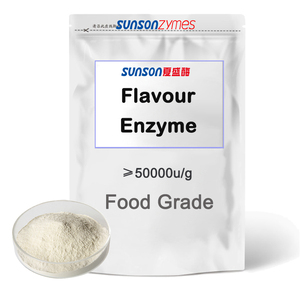
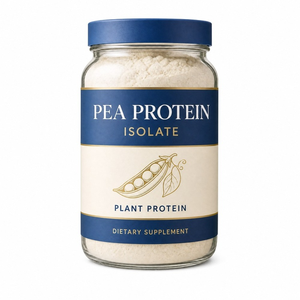
In high-protein and plant-based applications—including pea protein isolate systems and hydrolyzed proteins—preservative integration must account for flavor binding and solubility profiles. The inclusion of flavor-improving proteases and enzymes during processing allows for the selective hydrolysis of bitter peptides, yielding a clean sensory baseline that requires lower dosages of masking agents and stabilization additives.
Overcoming supply chain fragmentation through consolidated ingredient distribution, localized warehousing, and rigorous quality assurance.
Rather than managing contracts with dozens of independent global chemical plants, manufacturers consolidate their entire bill-of-materials—from starches and emulsifiers to natural food preservatives—into one PO, reducing landed freight costs and streamlining accounts payable.
Anchored by primary hubs in Frazer, PA and Sayreville, NJ, and supported by over 25 strategic enterprise distribution points nationwide, inventory is staged locally to ensure short lead times and eliminate line-stoppage risks for regional operations.
Every shipment is accompanied by lot-specific Certificates of Analysis (CoA), full regulatory dossiers (Kosher, Halal, Non-GMO, Organic compliance), allergen statements, and complete traceability back to primary production facilities.
The global food preservatives market is undergoing a structural paradigm shift driven by evolving consumer preferences, stringent regulatory limits on synthetic additives, and global supply disruption risks. Procurement directors and R&D engineers must navigate several key macro trends shaping the future of food preservation:
Consumer insistence on transparent ingredient labels has accelerated the phase-out of traditional artificial preservatives like sodium benzoate and BHT in favor of natural bio-preservatives. Advanced fermentation technology now enables the commercial production of cultured dextrose, cultured wheat, and concentrated vinegar powders rich in organic acid salts. These bio-fermentates provide identical shelf-life extension while allowing clean deck claims such as "Natural Flavor" or "Cultured Skim Milk."
The replacement of synthetic antioxidants (BHA, BHT, TBHQ) with standardized botanical extracts—specifically high-purity carnosic acid from rosemary extract and standardized green tea polyphenols—represents a major growth vector. Micro-encapsulation techniques now prevent herbal flavor carryover, allowing these natural antioxidants to be integrated into high-lipid animal feed, pet food, meat broths, and edible oils without altering sensory characteristics.
Recent international shipping bottlenecks have highlighted the vulnerabilities of relying on single-source offshore exporters. Leading food brands are transitioning toward dual-sourcing models paired with regional distribution partners who maintain buffer inventory locally. Flexible order minimums (MOQs) allow food processing plants to balance working capital while insulating production schedules against maritime transit delays.
As regulatory bodies such as the European Commission tighten limits on sulfites and specific chemical antimicrobials, food exporters must ensure that ingredients meet global cross-border standardizations. Working with established ingredient exporters who provide comprehensive global regulatory documentation ensures compliance across multi-jurisdictional target markets.
Clear, technical answers to common procurement, compliance, and application questions for industrial food buyers.
Evaluating an exporter requires reviewing their quality management certifications (FSSC 22000, ISO 22000, BRCGS), lot-to-lot consistency, availability of full technical specification sheets, CoA transparency, global regulatory compliance (FDA GRAS, EFSA), and their capability to provide consolidated shipping with flexible Minimum Order Quantities (MOQs).
Order consolidation allows food manufacturers to purchase multiple ingredient categories—such as preservatives, plant proteins, phosphates, and enzymes—on a single purchase order. This reduces administrative overhead, minimizes multi-vendor receiving friction, optimizes LTL/FTL freight rates, and eliminates extra customs clearance charges.
Yes. Utilizing "hurdle technology"—where natural bio-preservatives (e.g., nisin, natamycin, cultured dextrose) are combined with optimized pH control, reduced water activity ($a_w$), and cold-chain logistics—manufacturers can achieve equivalent microbial protection against pathogens like Listeria and mold without synthetic chemicals.
Standard export documentation includes a lot-specific Certificate of Analysis (CoA), Technical Data Sheet (TDS), Safety Data Sheet (SDS), Country of Origin Certificate, Allergen Statement, Non-GMO verification, and religious certifications (Kosher/Halal) where applicable.
Food phosphates (such as STPP and SAPP) stabilize meat products by increasing water-binding capacity, shifting pH levels, and chelating pro-oxidant metal ions. This prevents lipid oxidation, preserves natural cured color, and reduces moisture purge during thermal processing and storage.
Yes, our technical application specialists assist R&D teams with ingredient selection, dosage calculations, stability trials, and replacement of legacy synthetic ingredients with clean-label, bio-based alternatives tailored to specific food matrices.
Optimize your ingredient procurement, secure high-purity functional additives, and lower landed costs with our consolidated distribution network. Contact our technical sales team today.