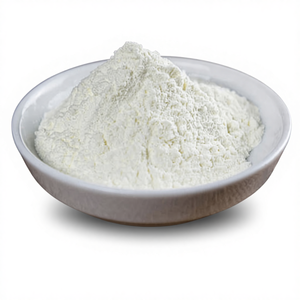
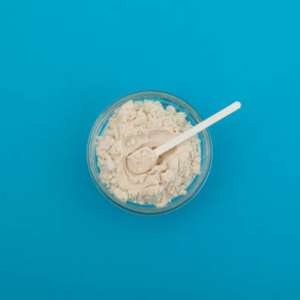
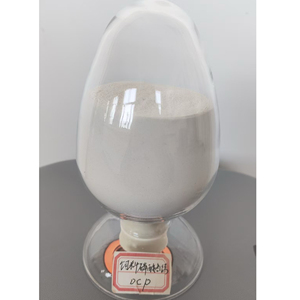
Explore our industrial-grade milk protein concentrates alongside essential hydrocolloids, organic enhancers, and processing aids engineered for modern food and beverage manufacturing.
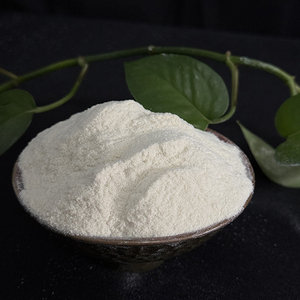
A deep technical analysis into membrane filtration dynamics, thermal stability, solubility kinetics, and structural protein integrity for enterprise R&D formulators.
Milk Protein Concentrate (MPC) is produced from fresh, pasteurized skim milk using state-of-the-art membrane isolation technologies. By employing low-temperature microfiltration and ultrafiltration, lactose and soluble minerals are selectively removed while preserving the native micellar structure of milk proteins.
Diafiltration steps further concentrate protein levels from MPC 42 up to MPC 85, allowing precise control over protein-to-lactose ratios without thermally damaging the delicate whey fractions.
Unlike isolated whey or sodium caseinate, standardized MPC maintains the natural ratio of dairy protein found in fluid milk: approximately 80% micellar casein and 20% whey protein. This balance delivers both slow-digesting, highly functional caseins and fast-absorbing, bioavailable whey proteins.
This double-action protein matrix makes MPC an optimal core ingredient for sports nutrition, clinical tube feeding, and meal replacement shakes.
High-protein MPC grades (MPC 80 and MPC 85) are engineered for superior heat stability during UHT (Ultra-High Temperature) and HTST (High-Temperature Short-Time) pasteurization. Advanced surface-modification drying techniques prevent hydrophobic protein aggregation.
This guarantees rapid rehydration kinetics, preventing sediment formation and ensuring smooth mouthfeel in Ready-to-Drink (RTD) beverages even at protein concentrations exceeding 8% w/v.
| Grade | Protein (Dry Basis) | Lactose Content | Fat Content | Primary Food Applications |
|---|---|---|---|---|
| MPC 42 | ≥ 42.0% | ≤ 46.0% | ≤ 1.5% | Processed cheese, ice cream, yogurt fortification, bakery matrices. |
| MPC 70 | ≥ 70.0% | ≤ 15.0% | ≤ 2.0% | High-protein dairy desserts, clinical nutrition, specialized cheeses. |
| MPC 80 | ≥ 80.0% | ≤ 4.0% | ≤ 2.5% | RTD protein beverages, meal replacement powders, nutrition bars. |
| MPC 85 / MPI | ≥ 85.0% | ≤ 1.5% | ≤ 2.5% | Low-lactose nutritional supplements, ultra-concentrated RTD drinks. |
Macroeconomic shifts, clean-label consumer mandates, and technical innovations reshaping global milk protein procurement strategies.
The global demand for high-density, low-volume nutritional beverages is expanding at an unprecedented CAGR. Aging demographics and expanding athletic participation are accelerating the adoption of MPC 80 and Milk Protein Isolates (MPI) due to their high calcium-to-protein ratios and minimal glycemic impact.
Formulators are actively replacing single-source whey or casein isolates with intact MPC to maintain lower osmotic pressure in liquid medical foods, reducing digestive distress while improving shelf stability.
Consumer pushback against synthetic emulsifiers, modified food starches, and artificial gums has forced processors to utilize dairy proteins as natural texturizing agents. MPC’s water-binding capacity enables manufacturers of low-fat yogurts, spreads, and cheeses to achieve rich, creamy mouthfeels without synthetic additions.
By leveraging native protein micelle gelation, food scientists are reducing ingredient deck complexity while earning coveted "clean-label" retail positioning.
Hybrid food formulations combining dairy proteins with plant-based isolates (pea, rice, mealworm protein) or specialized hydrocolloids (such as carrageenan and guar gum) represent a major growth vector. These hybrid matrices optimize amino acid scores while managing raw material costs.
Our factory technical teams work directly with R&D departments to fine-tune soluble protein blends that prevent phase separation and minimize astringency in plant-dairy hybrid beverages.
How enterprise purchasing managers and supply chain directors are navigating market volatility, sustainability mandates, and supply security.
Managing hundreds of standalone raw material vendors introduces unacceptable operational friction, bloated freight expenditures, and administrative overhead. Enterprise food manufacturers are shifting toward strategic distribution partners capable of consolidating complete product recipes.
Through our integrated model, buyers can purchase Milk Protein Concentrates along with companion thickeners (Guar, Carrageenan), acidulants (Phosphoric Acid), and specialty bio-nutritional ingredients under one single purchase order.
Carrying excess inventory ties up critical working capital and exposes dairy ingredients to degradation risks. Modern supply chains require smaller, highly reliable replenishment cycles rather than massive multi-container commitments.
By strategically warehousing inventory across key regional centers, we offer lower Minimum Order Quantities (MOQs), allowing mid-sized processors and rapid-growth start-ups to access factory-direct pricing without strain on capital reserves.
Regulatory compliance (FSMA, SQF, ISO) and corporate sustainability targets now dictate raw material selection. Buyers require fully traceable supply chains with comprehensive documentation including Certificate of Analysis (COA), non-GMO verifications, and Kosher/Halal certifications.
Our manufacturing facilities adhere to rigid animal welfare protocols and green production initiatives, ensuring every batch of MPC meets international standards for quality and sustainability.
Leveraging global processing capability paired with dedicated regional warehousing and technical support to eliminate production downtime.
Rooted in our primary distribution hubs in Frazer, Pennsylvania and Sayreville, New Jersey, our delivery infrastructure extends across nationwide partner centers. We provide rapid regional replenishment throughout Maine, Vermont, New Hampshire, Massachusetts, New York, Connecticut, Rhode Island, Pennsylvania, New Jersey, and Maryland.
Our localized stocking strategy protects your lines from global shipping delays and port congestion.
Every shipment of Milk Protein Concentrate undergoes strict laboratory validation prior to release. We rigorously test for protein purity, moisture content, microbiological standards, heavy metal contaminants, and reconstitution kinetics.
Our dedicated Quality Assurance team ensures that batch-to-batch consistency matches your exact R&D specification sheets, preserving product taste and texture integrity.
We are more than a bulk ingredient supplier; we act as an extension of your product development team. Our food technologists assist in solving complex formulation challenges such as heat-induced gelling, syneresis in cultured dairy, and viscosity buildup in high-protein liquids.
From pilot scale-up to full commercialization, our technical team supplies samples, starting formulas, and pilot batch guidance.
Expert answers to common technical, operational, and commercial questions regarding Milk Protein Concentrate sourcing.
Partner with a trusted global Milk Protein Concentrate factory supplier. Contact our technical sales and supply chain specialists today to discuss custom specifications, spot quotes, or long-term contract pricing.