Explore our top-tier catalog of food-grade plant proteins, natural dyes, functional enzymes, and hydrocolloids available for single-PO consolidated dispatch.
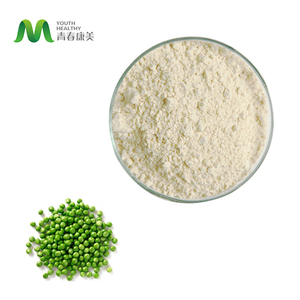
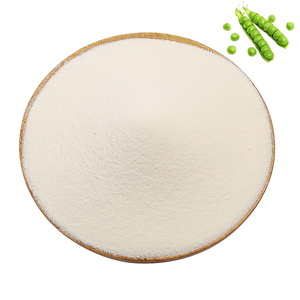
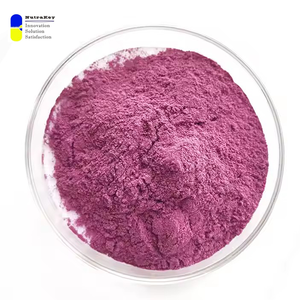
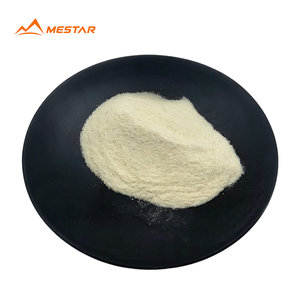
Soy Protein Isolate (SPI) represents the pinnacle of refined plant-based proteins, standardized to contain no less than 90% crude protein content on a dry basis. Derived from high-quality, non-GMO yellow soybeans via a multi-stage aqueous extraction and isoelectric precipitation process, SPI is an essential functional building block for modern global food manufacturing. As procurement directors and food technologists seek to optimize formulation costs while enhancing emulsification, gel strength, and water-holding capacity, partnering with top trusted Soy Protein Isolate suppliers and exporters becomes a pivotal strategic advantage.
From an industrial application perspective, Soy Protein Isolate is far more than a nutritional fortifier; it acts as a critical structural stabilizer in processed meat products, ready-to-drink (RTD) nutritional beverages, dairy alternatives, extruded meat analogs, and bakery systems. Understanding the chemical partitioning, nitrogen solubility index (NSI), and thermal gelation kinetics allows corporate buyers to specify exact grades tailored to their high-speed manufacturing lines.
The functional performance of industrial Soy Protein Isolate is governed by its major storage proteins: Glycinin (11S globulin) and Beta-Conglycinin (7S globulin). The ratio of 11S to 7S proteins directly determines the gelation temperature, gel elasticity, and emulsification stability of the final isolate:
| Specification Parameter | High-Emulsification Grade | High-Gelation Grade | Beverage / Hydrolyzed Grade |
|---|---|---|---|
| Crude Protein (Dry Basis) | ≥ 90.0% | ≥ 90.0% | ≥ 90.5% |
| Moisture Content | ≤ 6.5% | ≤ 6.5% | ≤ 6.0% |
| Fat Content (Ether Extract) | ≤ 0.8% | ≤ 0.8% | ≤ 0.5% |
| Ash Content | ≤ 5.5% | ≤ 5.5% | ≤ 5.0% |
| Nitrogen Solubility Index (NSI) | 75% - 85% | 60% - 75% | ≥ 90% |
| Particle Size (Mesh Pass) | 100 Mesh (98%) | 100 Mesh (98%) | 200 Mesh (99%) |
| Primary Application | Sausages & Emulsions | Meat Analogs & Tofu | RTD Shakes & Powders |
Global buyers must look beyond initial metric pricing to evaluate supply chain integrity, regulatory certifications, and manufacturing consistency.
Tier-1 exporters enforce strict PCR (Polymerase Chain Reaction) testing at grain elevators to guarantee Non-GMO IP integrity (< 0.9% adventitious presence) meeting strict EU and North American regulatory standards.
Leading export facilities operate under ISO 22000, FSSC 22000, BRCGS, Halal, Kosher Pareve, and US FDA registration, providing complete batch trace-back documentation and COAs with every shipping container.
Mitigate supply chain disruption by partnering with distributors offering regional warehouse stocking (PA, NJ hubs), lower MOQs, and consolidated single purchase order fulfillment across 3,000+ ingredients.
The global soy protein market is experiencing a profound transformation driven by consumer demand for clean labels, functional organoleptic improvements, and reduced carbon footprints. B2B buyers must align their procurement strategies with four macro-level industrial trends shaping the future of protein processing:
As plant-based meat substitutes evolve from ground-meat formats to whole-muscle meat analogs (such as chicken breast and steak alternatives), demands on Soy Protein Isolate functionality have shifted. Suppliers are developing customized SPI grades with engineered fiber-forming properties optimized for double-screw HMEC processing. High-sulfur amino acid preservation during extraction allows optimal cross-linking during thermal extrusion, delivering realistic fibrous textures without synthetic binders.
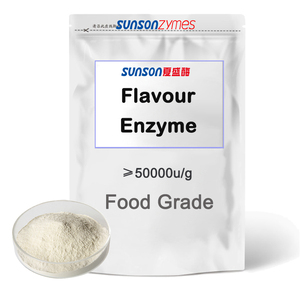
Off-flavors (beany, grassy notes caused by lipoxygenase enzyme activity) have historically presented challenges in beverage applications. Advanced enzymatic hydrolysis—utilizing high-activity targeted proteases—selectively cleaves hydrophobic peptide chains responsible for bitterness. Top exporters now supply pre-treated, neutral-tasting SPI hydrolysates that drastically reduce the reliance on masking agents and added sugars in clean-label formulations.
Enterprise procurement departments are increasingly tasked with meeting Scope 3 greenhouse gas reduction targets. Leading soy protein manufacturers are instituting satellite-monitored, deforestation-free soy supply chains and implementing zero-waste water recycling within wet-fractionation plants. Suppliers providing validated Life Cycle Assessments (LCAs) gain significant competitive advantage in multi-national tenders.
While Soy Protein Isolate remains the gold standard due to its complete PDCAAS score of 1.0 and cost efficiency, hybrid protein blends (Soy + Pea + Rice Peptides) are emerging rapidly. Combining Soy Protein Isolate with hydrolyzed pea protein (such as 80-95% pea peptides) optimizes viscosity profiles while achieving balanced amino acid delivery, enabling R&D teams to overcome solubility bottlenecks in ultra-high-temperature (UHT) processed RTD drinks.
Managing direct relationships with dozens of raw ingredient manufacturers creates operational friction, bloated administrative costs, and supply chain vulnerability. Partnering with a consolidated sourcing specialist like Essex Food Ingredients streamlines raw material procurement into a seamless operational workflow.
Consolidate Soy Protein Isolate, pea proteins, starches, hydrocolloids, and flavor enzymes into a single purchase order. Reduce receiving touches, freight overhead, and vendor setup complexity.
Avoid tying up working capital in full container loads. Take delivery of exact production run quantities backed by regional warehouse safety stock in Frazer, PA, and Sayreville, NJ.
Our food technologists assist procurement and R&D teams with specification matching, clean-label reformulations, and bench-to-scale up production testing to guarantee line performance.
Answers to common technical, logistics, and quality assurance questions asked by industrial food ingredient buyers.
Connect with our senior ingredient sourcing specialists to request product specifications, sample kits, or customized volume quotations for your production lines.
Contact Us