High-performance functional food additives, extracts, and technical compounds formulated for industrial bakery, savory food processing, and nutraceutical applications.
Chile represents one of the highest per-capita bread consumption markets globally, trailing closely behind Germany. With annual per capita bread consumption hovering around 86 to 90 kilograms, the Chilean baking industry demands uncompromising consistency in raw material functionality, dough rheology, starch retrogradation management, and moisture retention control. However, industrial bakeries, commercial artisanal chains, and savory snack manufacturers across Chile—from the Santiago Metropolitan Region to Valparaíso, Concepción, and Puerto Montt—face complex operational hurdles. Freight volatility, stringent import inspection by the Servicio Agrícola y Ganadero (SAG), strict compliance with the Chilean Food Sanitary Regulations (Decreto 977), and rigid Minimum Order Quantities (MOQs) from primary global manufacturers frequently paralyze plant throughput.
As a specialized global distributor and manufacturer serving the Chilean market, our consolidated ingredient ecosystem resolves these systemic friction points. By acting as a single technical partner, we allow food processing facilities to purchase over 3,000 active functional ingredients under a single purchase order (PO), combining hydrocolloids, modified starches, emulsifiers, dough conditioners, natural pigments, and specialized savory bases into fully consolidated shipments. This technical paper presents an in-depth operational analysis of ingredient distribution dynamics tailored to Chilean climatic zones, regulatory frameworks, and consumer preferences.
Our integrated distribution infrastructure bridges global ingredient synthesis with local plant delivery, helping operations directors and R&D managers overcome traditional supply chain constraints:
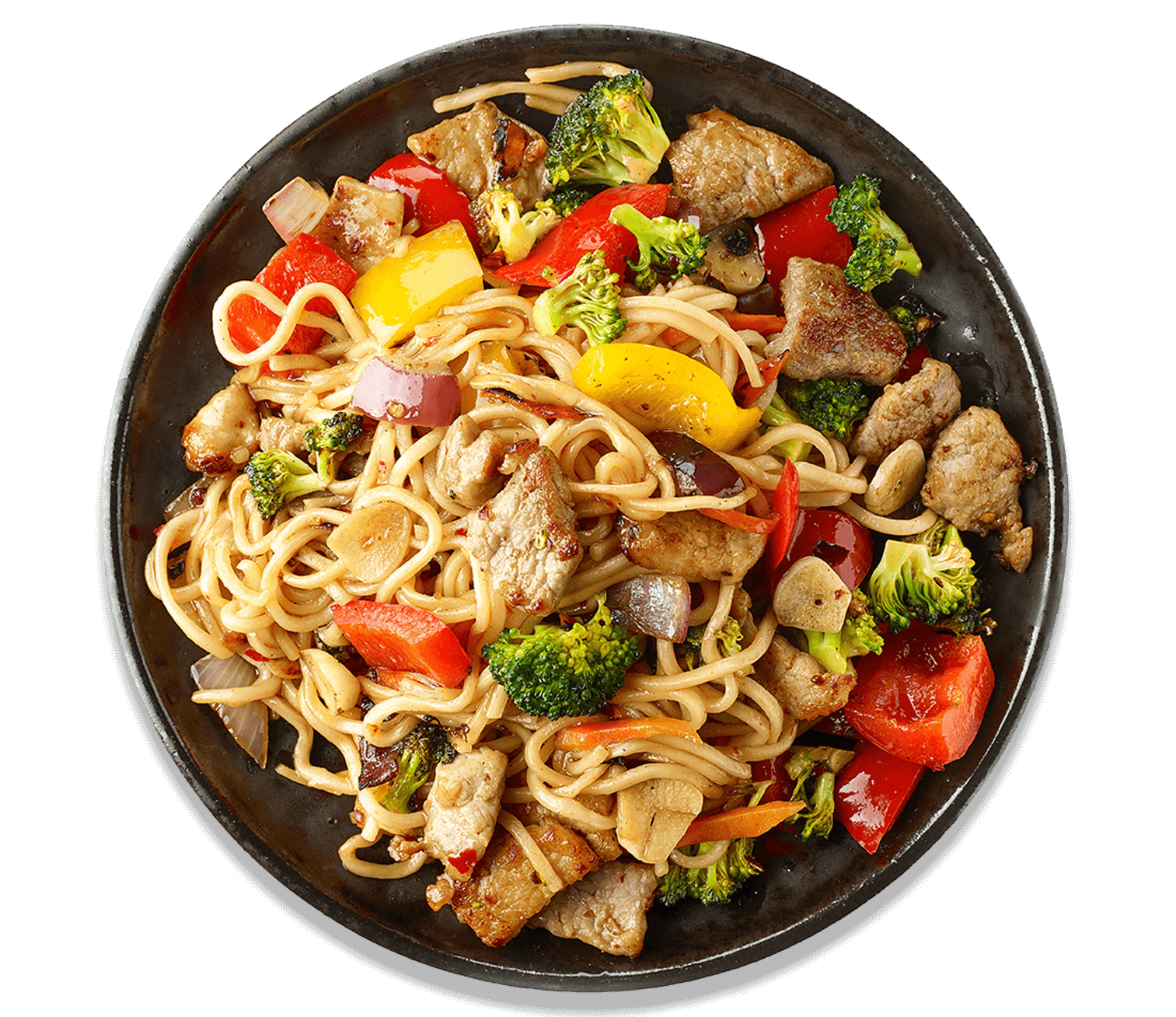
Translating food science into commercial baking success: How our ingredient matrix elevates traditional Chilean baked formats and industrial packaged baked goods.
The iconic Chilean Marraqueta demands a brittle, glossy outer crust combined with a light, airy, and highly porous crumb structure. Achieving this balance in high-throughput automated lines requires specific dough rheology controllers:
Unlike Marraqueta, Hallulla is a flat, dense, lard- or shortening-enriched bread requiring uniform thickness, tender bite, and resistance to rapid staling across Chile's dry northern and humid southern climates:
Chile's seasonal Pan de Pascua relies heavily on dark caramel colorants, high spice loads, and rich moisture profiles that must endure months of distribution without mold emergence:
The Chilean food sector is undergoing a profound structural evolution driven by regulatory mandates, consumer wellness awareness, and supply resilience requirements. Navigating this landscape requires high-gain technical expertise and adaptable raw material options.
Chile's landmark Law 20.606 on the Nutritional Composition of Food and Its Advertising mandates prominent front-of-package black octagonal warning labels for products high in sodium, saturated fats, sugars, and calories. Bakery producers are aggressively reformulating master recipes to eliminate these labels:
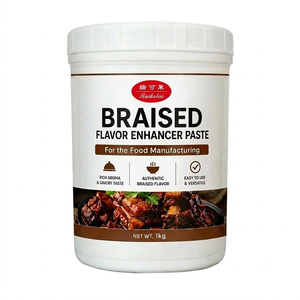
Sodium Reduction Strategies: Replacing standard sodium chloride with potassium chloride complexes, yeast extracts, and savory flavor enhancers (such as our OEM HACCP-certified braised flavor paste) allows up to a 35% sodium reduction in savory rolls, empanada doughs, and crackers without sacrificing sensory palatability.
Sugar & Fat Replacement: Utilizing functional fibers like soluble corn fiber, maltodextrins, and specialized hydrocolloids enables industrial bakers to maintain mouthfeel and structure while dropping sugar and lipid values below the warning threshold.
Chilean retail consumers are scrutinizing ingredient lists more closely than ever. Industrial lines are moving away from traditional chemical additives like potassium bromate and azodicarbonamide (ADA), replacing them with clean-label enzyme complexes. Lipases, glucose oxidases, and amyloglucosidases mimic chemical dough strengtheners by cross-linking gluten proteins naturally, generating clean consumer labels without sacrificing machine tolerance.
Recent global port congestions and shipping route disruptions have exposed vulnerabilities in long-distance raw material sourcing. Chilean industrial bakeries are moving away from single-source supplier models toward flexible, consolidated logistics partners. By stocking ingredients centrally and leveraging multi-origin sourcing portfolios, food producers shield themselves against sudden regional shortages, currency fluctuations, and localized crop failures.
Addressing the technical, legal, and operational questions asked by Chilean procurement managers, food technologists, and plant superintendents.
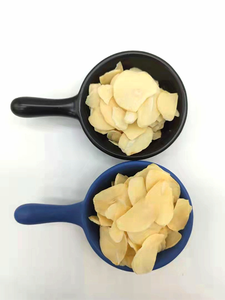
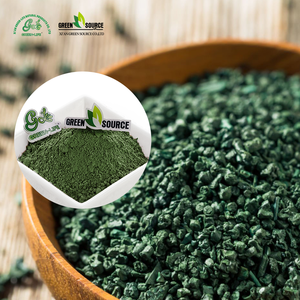
All ingredients distributed to Chile undergo rigorous compliance vetting. We provide complete documentation packets required by the Servicio Agrícola y Ganadero (SAG) and the Ministerio de Salud (MINSAL) under Decreto 977/96. Each shipment is accompanied by a batch-specific Certificate of Analysis (CoA), Allergen Statement, Heavy Metal & Pesticide Analysis, Non-GMO Certification, and Kosher/Halal validations where applicable. Additionally, plant origin certificates for botanical extracts (such as dehydrated garlic or spirulina) are fully authenticated to ensure swift customs release at Valparaíso and San Antonio ports.
Yes. Order consolidation is one of our primary core competencies. Rather than ordering full container loads (FCL) of individual additives directly from separate chemical factories—which locks up capital and risks product expiration—we consolidate your required starches, emulsifiers, caramel colors, savory flavor pastes, and hydrocolloids into unified LCL or FCL shipments under a single commercial invoice and purchase order. This vastly simplifies customs handling in Chile and lowers total landed cost.
Chile's geography ranges from the hyper-arid Atacama region in the north to cold, highly humid southern zones like Puerto Montt and Chiloé. Climate variation affects ambient water activity ($a_w$) and moisture migration in packaged baked goods. Our technical application team formulates custom hydrocolloid systems (combining xanthan gum, guar gum, and modified starches) that bind free moisture dynamically. This prevents moisture loss and crust softening in high-altitude/dry regions while preventing mold growth and gummy textures in humid southern zones.
We provide full R&D support from bench-scale pilot trials up to full commercial plant runs. Our staff of food technologists assists Chilean R&D teams with dosage calculation, enzyme activity adjustment (FAR/Farinograph matching), starch gelatinization mapping via Rapid Visco Analyzer (RVA), and sensory evaluation. We provide bench samples prior to commercial ordering to ensure seamless integration into existing processing equipment.
Standard maritime transit times from our primary distribution hubs to the major Chilean ports of San Antonio and Valparaíso range between 18 and 28 days depending on the shipping line. For urgent plant requirements or pilot trials, air freight dispatch is available for high-value micro-ingredients and specialized enzyme complexes, delivering to Comodoro Arturo Merino Benítez International Airport (SCL) within 3 to 5 business days.
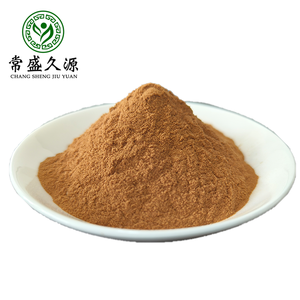
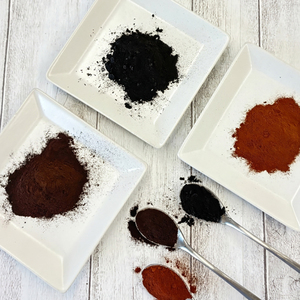
Our Japanese-grade Caramel Powder Colorant is specifically spray-dried and thermally stabilized to withstand baking temperatures exceeding 230°C without caramelizing further, scorching, or developing unappealing off-bitterness. It offers excellent solubility, uniform particle size distribution, and stable color intensity over extended shelf lives, making it ideal for cookies, biscuits, dark breads, and seasonal Pan de Pascua formulations.
Whether you are launching a clean-label bakery reformulation, seeking SAG-compliant food additives, or reducing raw material inventory costs through order consolidation, our global distribution team is ready to partner with your business.