Directly sourced, lab-verified raw materials designed to withstand high ambient bakery processing and extend product shelf-life across Egypt.
The Egyptian food processing and commercial baking sector represents one of the most dynamic and high-volume markets across the Middle East and North Africa (MENA) region. Driven by a growing population exceeding 105 million, expanding urban centers like Cairo, Alexandria, and Giza, and an accelerating shift toward packaged, shelf-stable baked goods, commercial bakeries face unique technical and supply chain pressures. Sourcing high-grade bakery raw materials is no longer merely a purchasing transaction—it is a critical engineering requirement that governs dough stability, retrogradation rates, line efficiency, and overall profit margins.
Egyptian bakeries operate under rigorous environmental and regulatory conditions. Summer ambient warehouse temperatures frequently exceed 40°C, accelerating lipid oxidation, enzymatic degradation, and moisture loss in finished products. Concurrently, strict compliance standards enforced by the National Food Safety Authority (NFSA) and the Egyptian Organization for Standardization and Quality (EOS) demand absolute traceability, Halal compliance, and strict adherence to heavy metal and microbiological thresholds. Operating as a premier supply partner, our global sourcing framework resolves these localized challenges by delivering standardized, high-performance functional ingredients from audited factories worldwide directly to Egyptian ports including Alexandria, Port Said, and Damietta.
Technical Insight for Egyptian R&D Directors: Subtropical storage conditions require precise water activity ($a_w$) control and specialized hydrocolloid-protein networks. Utilizing refined carrageenan and tailored phosphate buffer systems prevents moisture migration in packaged pita, flatbreads, wafers, and cakes, extending physical shelf-life by up to 35% without compromising clean-label mandates.
To maximize recipe cost-efficiency and product quality, raw materials must be selected based on their specific functionality within traditional and modern Egyptian bakery production lines:
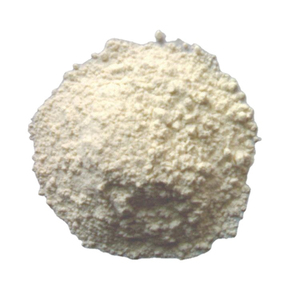
High-extraction wheat flours used in Egyptian Baladi and Shami bread require dough conditioners and functional soy proteins. Soy protein concentrate (70% protein) enhances water absorption capacity, reinforces gluten matrices, and maintains flexibility during high-temperature puffing (350°C–400°C), preventing cracking and premature staling.
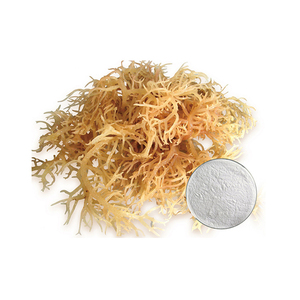
In packaged sponge cakes, Swiss rolls, and croissants, pure refined carrageenan acts as a synergy agent alongside emulsifiers. It stabilizes fat-in-water emulsions, ensures uniform crumb cell structure, and locks in moisture, mitigating starch retrogradation even under fluctuating retail temperatures in Upper and Lower Egypt.
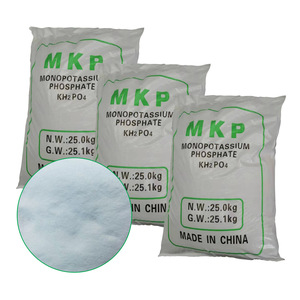
Food-grade Mono Potassium Phosphate (MKP) serves as a precision acidulant and mineral fortifier for baking powders. MKP offers controlled gas release during industrial dough mixing and baking, maintaining optimal pH levels necessary for Maillard browning while preventing undesirable alkaline off-flavors.
The following data visualization details the physical properties, functional roles, and recommended inclusion rates for primary bakery ingredients deployed in Egyptian commercial food manufacturing:
| Raw Material | Functional Classification | Target Egyptian Application | Technical Functionality | Status / Certification |
|---|---|---|---|---|
| Refined Carrageenan | Hydrocolloid / Stabilizer | Pastry Creams, Cake Batters, Doughs | Moisture binding, syneresis control, texture enhancement | Halal / ISO 22000 |
| Soy Protein Concentrate | Plant Protein / Emulsifier | Baladi Bread, Fortified Biscuits, Doughs | Gluten reinforcement, water retention, protein fortification | Non-GMO / Halal |
| Mono Potassium Phosphate | Leavening Agent / Buffer | Chemical Leavening, Instant Premixes | pH stabilization, controlled $CO_2$ generation, ion exchange | FCC Grade / Kosher |
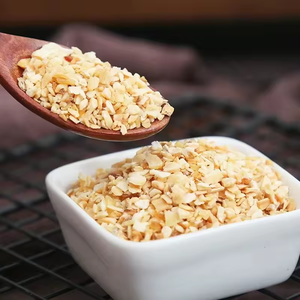
| Dehydrated Garlic Granules | Savory Seasoning / Flavor | Crackers, Breadsticks, Savory Baked Snacks | Consistent aromatic profile, zero microbial contamination | HACCP / BRC / Halal |
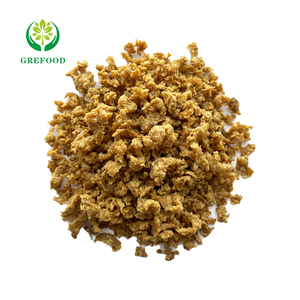
| Textured Pea Protein | Functional Protein Matrix | Meat Pies, Savory Fillings, Vegan Pastries | Fibrous structure building, fat absorption control | Non-GMO Plant-Based |
The Egyptian baking sector is undergoing structural transformations driven by both regulatory directives and shifting consumer purchasing power. Sourcing teams must navigate three decisive industry trends:
With global wheat price fluctuations impacting millers and bakers across Egypt, plant-based protein concentrates—such as Soy Protein Concentrate and Textured Pea Protein—have emerged as essential formulation tools. Incorporating 2% to 5% soy protein into commercial dough formulations allows bakeries to increase water absorption by up to 300% relative to dry protein weight. This significantly increases dough yield per bag of flour while maintaining compliance with national nutritional fortification initiatives.
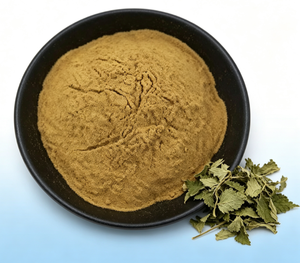
Egyptian consumers are increasingly scrutinizing product labels for artificial preservatives. Modern industrial bakeries are moving away from harsh synthetic anti-fungal chemicals toward natural botanical extracts (such as Stinging Nettle Extract rich in bio-silica) and precision pH buffers. These components provide natural antimicrobial protection while satisfying the clean-label demands of premium retail chains across Greater Cairo and Alexandria.
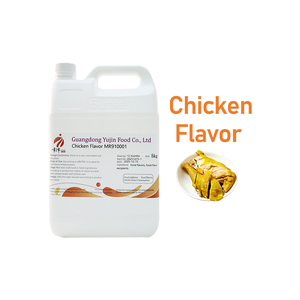
The Egyptian snack market—comprising savory biscuits, extruded corn chips, and toasted bread bites—is experiencing double-digit annual growth. High-potency flavor systems, such as concentrated Food Grade Low-Cost Chicken Flavor Essence and standardized Dehydrated Garlic Granules (available in precise mesh sizes from 8-16 to 40-80 mesh), allow manufacturers to achieve intense flavor impact with minimal dosage, directly lowering cost-in-use metrics.
Navigating global ingredient procurement requires a reliable, integrated supply chain partner. Based on our proven consolidation operational model, we provide Egyptian food manufacturers with unparalleled structural advantages:
Eliminate the hassle of managing dozens of international vendor invoices, shipping schedules, and customs filings. We consolidate raw materials—from hydrocolloids and phosphates to savory flavors and proteins—into one unified purchase order and container shipment.
Direct factory MOQs can tie up crucial working capital. We warehouse inventory strategically, allowing Egyptian manufacturers to order lower minimum quantities matched to actual production runs, optimizing cash flow and inventory turnover.
Our application technologists work directly with your R&D teams to assist in formulation matching, bench-scale testing, and factory scale-up. All products are supplied with complete COAs, heavy metal testing, micro-analyses, and NFSA-compliant documentation.
Clear solutions to common technical, regulatory, and logistics queries from Egyptian food procurement managers.
Streamline procurement, lower landed ingredient costs, and enhance finished product quality with our consolidated global sourcing framework.