Consolidated ingredient sourcing solutions for food manufacturers, pet nutrition formulators, and functional beverage processors in Seoul and across South Korea.
An authoritative analysis of molecular characteristics, fermentation technology, and compliance standards for South Korea’s industrial buyers.
Erythritol (1,2,3,4-butanetetrol, C4H10O4) represents a cornerstone in the global transition toward zero-sugar, low-glycemic, and clean-label food formulations. Manufactured via advanced bio-fermentation using non-GMO glucose substrates (typically derived from natural corn starch via enzymatic hydrolysis), erythritol offers a unique combination of thermodynamic stability, crystalline structural integrity, and physiological tolerance.
For research and development (R&D) teams, purchasing directors, and food technologist teams operating across the Seoul Metropolitan Area—including industrial clusters in Gyeonggi-do, Incheon logistics hubs, and corporate R&D headquarters in Gangnam and Pangyo Technovalley—securing a certified, reliable, and standardized source of bulk erythritol is critical to scaling commercial production.
Unlike sorbitol, xylitol, or maltitol, approximately 90% of ingested erythritol is rapidly absorbed in the small intestine via passive diffusion and excreted unchanged through urine within 24 hours. This unique metabolic path results in a caloric value near zero (0.2 kcal/g in South Korea and EU regulatory framework) and a Glycemic Index (GI) of 0, making it fully compliant with South Korea’s Ministry of Food and Drug Safety (MFDS) "Zero Sugar" labeling regulations.
Our bulk erythritol sweetener is manufactured under stringent ISO22000 and FSSC22000 management systems, carrying full CE compliance certification for European export alignment alongside rigorous validation for Asian maritime imports. Below are the verified technical parameters for commercial batch release:
| Analytical Parameter | Specification Limit | Test Standard / Methodology | Industrial Formulation Impact |
|---|---|---|---|
| Purity (Dry Basis) | 99.5% – 100.5% | HPLC (High-Performance Liquid Chromatography) | Ensures consistent sweetness potency (70% relative to sucrose). |
| Melting Point | 118°C – 123°C | Capillary Method / Thermal Analysis | High heat resistance; won't undergo Maillard browning. |
| Loss on Drying | ≤ 0.20% | Gravimetric Drying (105°C, 3 Hours) | Prevents caking during dry blending and extended storage. |
| Residue on Ignition (Ash) | ≤ 0.10% | Muffle Furnace Ashing (600°C) | Guarantees low mineral interference in clear beverage formulations. |
| Heavy Metals (as Pb) | ≤ 5.0 ppm | ICP-MS (Inductively Coupled Plasma Mass Spectrometry) | Exceeds KFDA / MFDS safety requirements for human consumption. |
| Arsenic (As) | ≤ 0.5 ppm | Atomic Absorption Spectroscopy | Strict compliance with global toxicological standard limits. |
| Particle Size Options | 18-60 Mesh (Standard Granular) 100 Mesh (Fine Powder) |
Sieve Analysis (US Standard Sieves) | Tailored dissolution rates for dry mixes, bakeries, or liquid beverages. |
Analyzing formulation challenges and functional sweetener requirements across South Korea's rapidly evolving food and beverage landscape.
The "Zero Sugar" movement in Seoul's nightlife precincts (such as Gangnam, Hongdae, and Itaewon) has transformed the beverage industry. Formulating zero-sugar Soju and Ready-To-Drink (RTD) highballs requires bulk erythritol to mask the harsh metallic notes of high-potency sweeteners (Stevia and Sucralose) while imparting body, mouthfeel, and clean sweetness without leaving sticky residue or sugar film.
Seoul is the global epicenter for functional beauty drinks. Formulators blending hydrolyzed collagen peptides, hyaluronic acid, and vitamin C require a zero-calorie carrier sweetener that remains completely clear in solution, has low hygroscopicity, and does not alter the molecular stability of sensitive active peptide chains during pasteurization.
From bakery chains in Seongsu-dong to large-scale automated baking plants in Gyeonggi, replacing sucrose with erythritol poses physical challenges. Erythritol provides bulk and structure, recrystallizes with a pleasing crisp texture in cookies, and manages water activity (aw) in cream fillings without promoting mold growth.
Convenience store retail networks (such as CU, GS25, and Seven-Eleven) in Seoul demand extended shelf-life low-calorie ice creams and prebiotic yogurt drinks. Erythritol lowers the freezing point effectively, preventing large ice crystal growth while providing a refreshing cooling effect on the palate.
Reformulating traditional Korean confectionery (such as Yanggang, Tteok, and sweetened red bean paste) for health-conscious consumers requires balancing sweetness with osmotic pressure. Erythritol maintains moisture balance and prevents syneresis in vacuum-packed rice cakes distributed through Seoul hypermarkets.
In stick-pack probiotic powders and chewable nutraceutical tablets manufactured across South Korean pharma facilities, 100-mesh fine powdered erythritol serves as an ideal direct compression binder and diluent due to its smooth mouthfeel and non-hygroscopic properties.
In recent years, the South Korean consumer landscape has undergone a dramatic cultural pivot towards "Healthy Pleasure" (즐거운 건강관리)—a lifestyle philosophy prioritizing health management without sacrificing taste or enjoyment. This cultural movement has reshaped corporate strategies for major food conglomerates in Seoul, including CJ CheilJedang, Lotte Wellfood, Nongshim, and Dong-A Otsuka.
Key drivers accelerating bulk erythritol adoption in South Korea include:
Because erythritol exhibits approximately 70% of sucrose's sweetening intensity, commercial food scientists in Seoul frequently combine it with intense sweeteners to achieve a 1:1 sugar replacement profile:
Erythritol rounds off Stevia's lingering liquorice aftertaste and provides physical bulk.
Erythritol + Sucralose:Delivers an immediate sweetness onset with sucrose-identical taste profiles in soft drinks.
Erythritol + Allulose:Optimizes cost structure while enabling browning reaction characteristics in baked goods.
Objective engineering parameters comparing natural polyols and bulk sugar substitutes for industrial application selection.
| Property / Characteristic | Erythritol | Xylitol | Maltitol | Allulose | Sucrose (Sugar) |
|---|---|---|---|---|---|
| Caloric Value (kcal/g) | 0.0 – 0.2 | 2.4 | 2.1 | 0.4 | 4.0 |
| Glycemic Index (GI) | 0 | 12 | 35 | 1 | 65 |
| Relative Sweetness | 70% | 100% | 90% | 70% | 100% |
| Digestive Tolerance Threshold | High (0.66g/kg) | Moderate (0.3g/kg) | Low (0.15g/kg) | Moderate (0.55g/kg) | N/A |
| Cooling Effect (Heat of Sol.) | Strong (-43 cal/g) | Strong (-36 cal/g) | Slight (-19 cal/g) | Minimal | Negligible |
| Hygroscopicity (Moisture Abs.) | Extremely Low | Moderate | High | High | Moderate |
| Dental Health Benefit | Non-Cariogenic | Anti-Cariogenic | Non-Cariogenic | Non-Cariogenic | Cariogenic |
Leveraging robust supply chain infrastructure, rigorous quality assurance, and streamlined B2B ordering for Korean manufacturers.
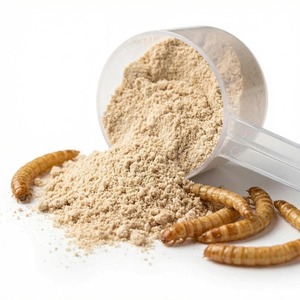
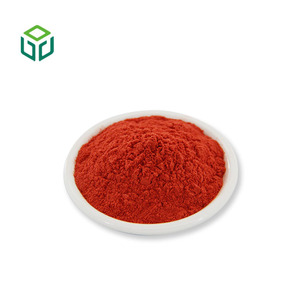
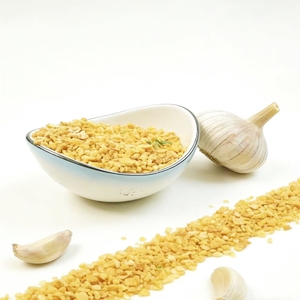
Simplify vendor management and accounting overhead. Korean buyers can consolidate bulk erythritol along with pea protein isolate, natural pigments, hydrocolloids, and dehydrated spices under a single purchase order (PO), streamlining customs documentation and landing freight costs.
Every production lot comes backed by rigorous Certificate of Analysis (COA) documentation, non-GMO statements, Allergen-free declarations, and full traceability. Our manufacturing lines meet CE standards, ISO22000, FSSC22000, Halal, and Kosher certifications.
With direct shipping channels servicing Incheon Port (closest to Seoul R&D centers) and Busan Port (South Korea's primary container gateway), we guarantee reliable inventory flow, short lead times, and predictable containerized delivery schedules.
We accommodate both emerging food-tech startups in Seoul and multi-facility industrial conglomerates. Available packaging includes multi-wall 25kg Kraft paper bags with inner polyethylene moisture barriers and 800kg super-sacks (jumbo totes) optimized for automated discharge systems.
Addressing technical, regulatory, and logistics queries for South Korean food and beverage manufacturers.
Shipments destined for the Seoul Metropolitan Area typically enter through Incheon Port or Busan Port. Maritime transit takes approximately 5 to 10 days depending on the point of origin in Asia, followed by 24 to 48 hours for customs release and MFDS (KFDA) inspection sampling. Our logistics team coordinates full documentation in advance to prevent port demurrage.
Yes. Our bulk erythritol complies strictly with the Korean Food Additive Code published by the Ministry of Food and Drug Safety (MFDS). Detailed heavy metal analysis, microbiological testing, and residual solvent testing are conducted for every production batch to guarantee seamless compliance upon entry into South Korea.
For liquid beverages, dairy applications, and syrups, our 18-60 mesh standard granular erythritol offers fast dissolution without dusting during bulk tank loading. For dry beverage mixes, chocolate manufacturing, confectionery coatings, and chewable tablets, we recommend our 100-mesh fine powder to ensure uniform blending and smooth mouthfeel without grittiness.
Erythritol has a lower solubility limit in room temperature water (approx. 37g/100ml at 25°C) compared to sucrose. To prevent unwanted crystallization in high-concentration zero-sugar syrups, R&D formulators in Seoul often blend erythritol with soluble corn fiber, allulose, or small quantities of hydrocolloids (such as xanthan gum) to act as crystallization inhibitors.
Absolutely. We provide evaluation sample kits (500g to 2kg) complete with batch-specific Certificates of Analysis (COA) directly to food tech laboratories and plant facilities in Seoul, Gyeonggi, and across South Korea. Click the inquiry button below to connect with our technical customer support team.
Streamline your supply chain, access tier-one raw ingredient pricing, and secure CE & MFDS certified bulk sweeteners for your Seoul manufacturing facilities today.
