Formulated for European Union Compliance (CE Standards), Technical Yield Optimization, and Shelf-Life Stabilization
Maximizing Succulence, Minimizing Drip-Loss, and Ensuring Regulatory Integrity across Peniche, Matosinhos, Setúbal, and Olhão Processing Hubs
Industry Insight: Portugal boasts one of the highest per-capita seafood consumption rates in the European Union (~56 kg per person annually). From traditional salted and desalted codfish (Bacalhau) to canned pelagic species (sardines, mackerel) and frozen cephalopods, maintaining structural myofibrillar protein integrity during chilling, freezing, and thawing is the ultimate technical objective for Portuguese industrial processors.
When fish tissue is subjected to freezing cycles, intracellular water crystallizes, causing irreversible mechanical damage to muscle fibers. This leads to severe drip loss during thawing, resulting in loss of soluble proteins, essential minerals, and characteristic savory umami notes.
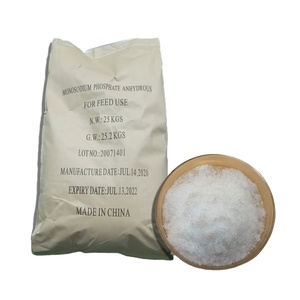
Our specialized phosphate salts (such as Monosodium Phosphate Anhydrous and STPP-free phosphate blends) shift the muscle pH away from the isoelectric point of actin and myosin. This increases negative electrostatic repulsion between myofibrils, opening structural spaces that entrap capillary water and retain flesh firmness.
All marine processing additives exported to Portugal must rigorously abide by Regulation (EC) No 1333/2008 on food additives and Regulation (EC) No 853/2004 laying down specific hygiene rules for food of animal origin.
As a premier CE-certified ingredient manufacturer, our production lines adhere strictly to ISO 22000, HACCP, and GMP standards. We guarantee full traceability, heavy metal compliance (Arsenic, Lead, Cadmium below EU limits), and zero unapproved antibiotic or chemical residues in every single batch delivered to Portuguese ports.
Comparative Evaluation of Functional Ingredients in Marine Muscle Preservation
| Ingredient Category | Primary Functional Additive | Target Species / Processing Sector | Technical Impact on Final Product | Dosage Benchmark (% w/w) |
|---|---|---|---|---|
| Food Phosphates | Monosodium Phosphate Anhydrous / Polyphosphates | Desalted Cod (Bacalhau), Frozen Hake Fillets, Shrimp | Increases water-holding capacity (WHC), reduces cook loss, preserves muscle elasticity. | 0.20% – 0.50% |
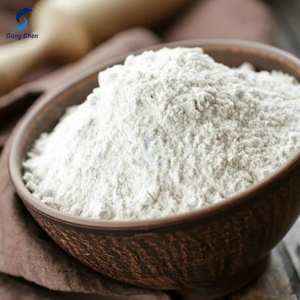
| Hydrocolloids | Food Grade Xanthan Gum (80/200 Mesh) | Glazes, Canned Fish Sauce Systems, Surimi Formulations | Stabilizes protective ice glazing, prevents freeze-thaw syneresis, enhances sauce viscosity. | 0.05% – 0.25% |
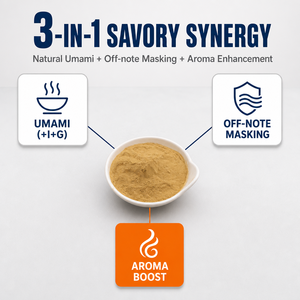
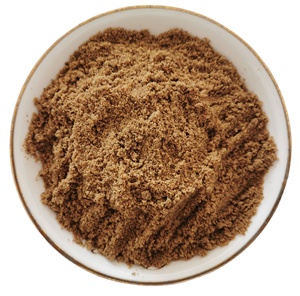
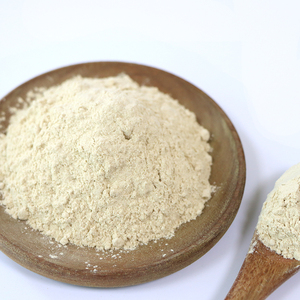
| Flavor Enhancers | Natural Yeast Extract Powder | Canned Sardines, Mackerel Pastes, Seafood Soups | Replaces MSG, masks metallic notes from tinplate, boosts natural seafood umami profile. | 0.10% – 0.80% |
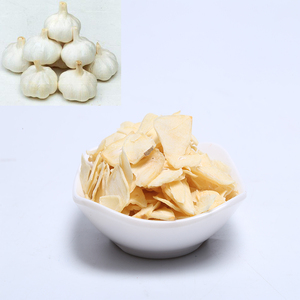
| Natural Antimicrobials | Dehydrated Garlic Flakes / AD Garlic Powder 100 Mesh | Marinated Seafood (Saladas de Polvo), Canning Brines | Provides clean-label antimicrobial barrier, prevents lipid auto-oxidation, adds signature aromatic profile. | 0.30% – 1.20% |
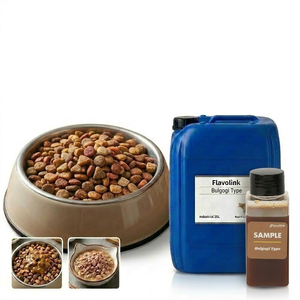
| Protein Upcycling | High Protein Hydrolyzed Mealworm Powder | Aquaculture Feed Pellets (Sea Bass/Bream), Marine Pet Food | Improves feed conversion ratios (FCR), provides highly digestible amino acid matrix. | 1.50% – 5.00% |
Solving Unique Regional Processing Challenges from Aveiro to the Algarve
Challenge: Industrial desalting of cod strips natural salts and moisture, leaving the fish prone to dry texture and rapid oxidation upon deep freezing.
Solution: Soaking or injecting fillets with a balanced Monosodium Phosphate and pH-controlled saline solution locks in moisture at the cellular level. When combined with a 0.1% Xanthan Gum protective glaze, the cod retains its iconic flake separation (lombos suculentos) without drip losses upon defrosting.
Challenge: Retort sterilization at high thermal values can break down delicate sardine muscle, leading to cloudiness in olive oil or tomato packing mediums.
Solution: Incorporating 100 Mesh Dehydrated Garlic Powder and Natural Yeast Extract Powder into the canning brine/sauce stabilizes the organoleptic profile. The natural nucleotide yeast system imparts rich umami while preventing thermal degradation of natural fish proteins.
Challenge: Octopus (Octopus vulgaris) muscle features dense collagen networks that can turn tough and rubbery during blast freezing.
Solution: Tumbling octopus with specialized, low-sodium functional phosphate buffers breaks down outer muscle tension and allows uniform water absorption. This guarantees a tender, juicy bite after boiling or grilling in commercial food service kitchens.
Strategic Drivers Shaping Supply Chain Decisions Across the Iberian Peninsula
Portuguese retailers and pan-European distributors (e.g., Continente, Pingo Doce, Auchan) are demanding clean-label declarations on processed marine products. Processors are increasingly transitioning from heavy polyphosphates to non-phosphate functional hydrocolloids, yeast extracts, and plant-derived fiber systems to achieve yield stability while fulfilling clean-label consumer preferences.
Busy European households are shifting from raw whole fish to pre-marinated, pre-portioned seafood meals. Ingredients like air-dried 100 Mesh Garlic Powder, natural emulsifiers, and stabilized flavor enhancers allow processors to create high-margin, shelf-stable marinades and meal kits that preserve sensory quality under refrigerated display conditions.
Global Sourcing Efficiency Combined with Uncompromising Technical Assurance
Managing dozens of standalone chemical suppliers inflates landed freight costs and strains purchasing teams. We offer single-purchase-order consolidation across thousands of ingredients. Combine your phosphates, hydrocolloids, garlic powders, and yeast extracts into a single palletized container shipping directly to Lisbon or Leixões ports.
Our quality management infrastructure includes comprehensive batch testing for microbiological purity, heavy metals, physical mesh distribution, and chemical assay concentration. Every delivery to Portugal arrives with a complete Certificate of Analysis (CoA), Allergen Statement, Non-GMO declaration, and EU Compliance documentation.
Our food technologists do not just ship bags; we optimize your factory line. Whether you need to formulate a non-phosphate brine for sensitive cod loin glazing or design a custom savory rub for grilled sardine preserves, our R&D staff collaborates directly with your plant management from benchtop trial to full industrial scale-up.
Direct Answers to Common Procurement, Technical, and Regulatory Inquiries
Yes. All products exported to Portugal strictly comply with Regulation (EC) No 1333/2008 and Regulation (EU) No 231/2012 laying down specifications for food additives. Certificates of Analysis (CoA) confirming food-grade status accompany every consignment.
Our Monosodium Phosphate Anhydrous and targeted polyphosphate blends adjust muscle pH, restoring the negative electrical charge on myofibrillar proteins. This increases structural spacing, trapping capillary water and reducing thaw-drip loss by up to 18%.
Absolutely. We offer customized hydrocolloid systems (combining 80/200 Mesh Xanthan Gum, food-grade alginates, and citrates) that provide excellent yield enhancement and glaze protection without declaring E-number phosphates on your finished retail packaging.
Through our consolidated procurement model, we offer flexible MOQs starting as low as 1 pallet (25kg bags, 500kg–1000kg standard pallets). You can combine multiple items—such as yeast extracts, garlic powder, and phosphates—into a single container load.
Natural Yeast Extract Powder provides rich natural glutamates and nucleotides (IMP/GMP) that accentuate the intrinsic umami of sardines, tuna, and mackerel. It smooths out sharp saline notes and counteracts metallic flavors caused by high-temperature canning retorts.
Adding 0.05% to 0.15% Xanthan Gum to the dipping water tank increases solution viscosity, creating a uniform, crack-resistant protective ice film over frozen fillets. This prevents sublimative freezer burn and lipid auto-oxidation during cold chain transport.
Yes. We provide sample packages (typically 500g to 2kg) complete with full technical specifications, MSDS/SDS sheets, and suggested starting formulation percentages for R&D trials in your facility.
Our AD 100 Mesh Garlic Powder has a guaranteed shelf life of 24 months from the manufacturing date when stored in unopened, multi-wall paper bags with PE liners under cool, dry conditions (<25°C, <65% relative humidity).
Standard sea freight delivery to major Portuguese ports (Leixões / Porto, Lisbon, Sines) typically ranges from 14 to 22 business days depending on port rotation. Express air freight options are available for urgent technical batches.
Our High Protein Mealworm Powder features a rich profile of digestible amino acids, essential fatty acids, and natural antimicrobial peptides. It serves as an exceptional functional protein source for sea bass, sea bream, and turbot aquaculture feeds, improving feed utilization and immune resistance.
Speak directly with our technical sourcing specialists today to request technical datasheets, regulatory dossiers, or customized volume quotations for your production facility.