

Navigating the China-to-Philippines Food Ingredient Supply Chain
The Philippine food and beverage manufacturing sector represents one of the most dynamic industrial growth markets in Southeast Asia. Driven by surging consumer demand for processed foods, bakery items, canned meats, ready-to-drink beverages, and snack items, domestic manufacturers face escalating pressures to secure resilient, cost-optimized, and high-quality raw material supply chains. Establishing direct, strategic relationships with premier China food ingredient sourcing suppliers has emerged as the definitive competitive advantage for Philippine procurement directors, product developers, and plant operations managers.
China’s position as a global epicenter for bio-refining, botanical dehydration, hydrocolloid synthesis, and organic acid production allows Philippine importers to unlock unparalleled economies of scale. However, navigating cross-border ingredient sourcing requires a deep technical understanding of regulatory compliance under the Philippine Food and Drug Administration (FDA), tariff optimization through the ASEAN-China Free Trade Area (ACFTA), and precise ingredient functionality designed to withstand tropical ambient storage conditions.
1. Regulatory Compliance & Philippine FDA Importing Framework
Commercial importing of raw food ingredients into the Philippines is regulated under FDA Administrative Order No. 2014-0029 and the Food Safety Act of 2013 (RA 10611). Any Philippine enterprise seeking to procure bulk ingredients directly from Chinese manufacturers must hold a valid License to Operate (LTO) as a Food Importer/Wholesaler issued by the Center for Food Regulation and Research (CFRR).
To ensure smooth customs clearance at major maritime ports—including Manila North Harbor (MICP), Manila South Harbor, Port of Cebu, and Port of Batangas—each shipment batch must be accompanied by a rigorous documentation package:
- Certificate of Analysis (COA): Issued per batch detailing physical, chemical, micro-biological, and heavy metal specifications matching pre-approved technical specifications.
- Halal Certification: Essential for broad retail acceptance, especially in Mindanao distribution channels. Recognized bodies like IDCP, JAKIM, or MUI cross-accredited certificates are supplied.
- Certificate of Origin (Form E): Critical for establishing origin under the ASEAN-China FTA, reducing statutory import tariffs from 3%–15% down to 0% on qualified tariff lines.
- Material Safety Data Sheet (MSDS / SDS): Detailing handling, thermal stability, and storage guidelines for liquid and powder additives like Refined Glycerine or Acidulants.
2. ASEAN-China Free Trade Agreement (ACFTA) Tariff Optimization
One of the greatest cost-reduction drivers for Philippine ingredient buyers is leveraging the ASEAN-China Free Trade Area (ACFTA) Framework. By procuring food ingredients manufactured in mainland China, Philippine buyers can dramatically lower landed cost thresholds compared to Western or European imports.
| Ingredient Category | HS Code | MFN Duty Rate | ACFTA Form E Duty | Technical Functionality |
|---|---|---|---|---|
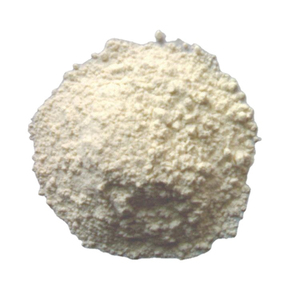
| Guar Gum Powder | 1302.32.00 | 3% - 7% | 0% Preferential | Viscosity, emulsion stability in tropical humidity |
| Soy Protein Concentrate | 2106.10.00 | 7% | 0% Preferential | Water binding, fat emulsification in meat products |
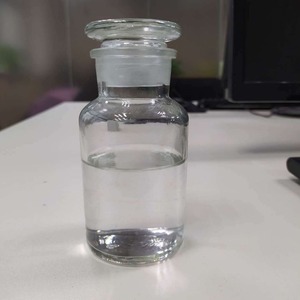
| Refined Food Glycerine | 2905.45.00 | 5% | 0% Preferential | Humectancy, shelf-life expansion in baked goods |
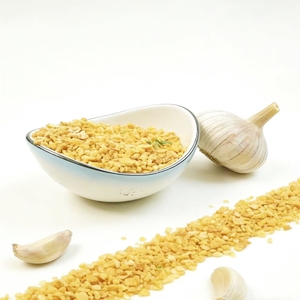
| Dried Dehydrated Garlic | 0712.90.10 | 10% - 15% | 0% - 5% Reduced | Crispy flavor top-note, instant noodle seasonings |
| Vanilla Powder Formulations | 3302.10.90 | 5% | 0% Preferential | Heat-stable vanilla aroma for industrial baking |
3. Localized Application Benchmarks for Philippine Food Processing
Formulating food products for the Philippine climate presents unique food engineering challenges. High ambient temperatures (averaging 28°C–34°C) and relative humidity often exceeding 85% accelerate retrogradation, fat oxidation, moisture migration, and microbial spoilage. Sourcing high-specification raw ingredients specifically tailored for these conditions is mandatory.
Meat Processing (Tocino, Longganisa, Canned Beef)
Soy Protein Concentrate (SPC) and Food Grade Guar Gum are crucial for Philippine meat processors. SPC binds free water and fat during thermal processing, preserving juiciness in cured longganisa and tocino while preventing fat separation in canned corned beef stored at ambient temperatures.
Industrial Bakery & Confectionery (Ensaymada, Chiffon)
High humidity quickly degrades crumb structure and promotes staling. Utilizing Plant-Derived Refined Glycerine (99.5% USP) acts as an advanced humectant that retains soft moisture balance. Paired with heat-stable Vanilla Powder, bakers achieve extended ambient shelf life without flavor degradation.
Seasoning, Culinary Mixes & Instant Noodles
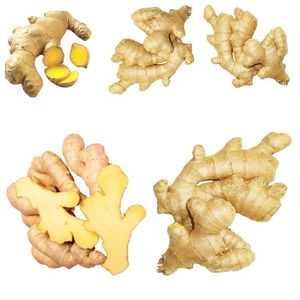
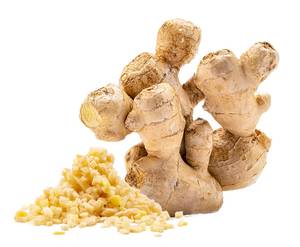
The Philippine noodle and savory snack market demands intense, authentic aromatics. Crispy Halal Fried Garlic Granules and Dehydrated Vietnamese/Chinese Ginger Raw Bulk Powder offer micro-biologically stable, low-moisture flavor impact that prevents caking in dry sachet mixes.
Beverages, Sauces & Condiments
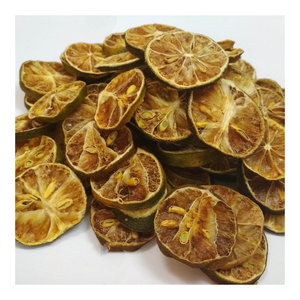
Acidified sauces and fruit-based beverage bases rely on Dried Lime Slices & Infusion Fractions for natural citrus notes. Combining controlled acidulants with Guar hydrocolloids ensures stable particle suspension in RTD beverages without syneresis or phase separation.