Direct manufacturer supply engineered for North American food processors, alternative protein developers, and beverage formulators in the Greater Seattle area.
The Pacific Northwest food processing ecosystem—anchored by Seattle’s food tech hubs, craft beverage innovators, and commercial seafood processors—demands precise structural control over moisture, texture, and shelf-life dynamics. As China's premier manufacturer and direct exporter of industrial-grade hydrocolloids and food texturizers, our technical capabilities bridge the gap between biopolymer molecular engineering and practical food architecture.
Hydrocolloids represent a diverse group of long-chain polymers (polysaccharides and proteins) characterized by their ability to yield viscous dispersions and/or gels when contact with water is established. In industrial formulations, selecting the ideal texturizer requires a deep understanding of molecular weight distribution, degree of esterification, ionic charge sensitivity, and shear-thinning behavior.
To assist R&D directors and procurement officers in selecting optimal texturizers, the matrix below details the primary physical and chemical operational parameters of our top hydrocolloid product lines:
| Hydrocolloid / Texturizer | Primary Functional Role | Viscosity Range (1% Sol) | Gel Characteristics | Thermal & pH Stability |
|---|---|---|---|---|
| Xanthan Gum (80/200 Mesh) | Pseudoplastic thickener, emulsion stabilizer | 1,200 – 1,800 cPs | Non-gelling alone; highly synergistic | Stable pH 2.0–12.0; resistant to high heat & salt |
| Kappa Carrageenan | Firm gelation, fat mimicry, water binding | 50 – 200 cPs | Rigid, brittle gel with $K^+$ ions | Gels formed melt >70°C; sensitive to acid pH <4.3 |
| Iota Carrageenan | Elastic gelation, freeze-thaw stability | 30 – 150 cPs | Flexible, elastic gel with $Ca^{2+}$ ions | Excellent freeze-thaw recovery; thixotropic |
| High Acyl Gellan Gum | Fluid gels, particle suspension | 300 – 1,000 cPs | Soft, elastic, non-brittle gel | High thermal stability; excellent acid stability |
| Sodium Alginate (Food Grade) | Irreversible cold gelling, film formation | 200 – 1,100 cPs | Thermally irreversible with $Ca^{2+}$ | Precipitates at pH <3.5; stable in neutral/alkaline |
| Modified Tapioca Starch | Viscosity builder, clarity, freeze-thaw retention | 800 – 2,500 cPs | Smooth, creamy paste structure | High shear & acid resistance; neutral taste profile |
By leveraging advanced China-based state-of-the-art fermentation, extraction, and spray-drying infrastructure, our hydrocolloids ensure batch-to-batch consistency with strict microbial standards (BRC, ISO22000, HACCP, Kosher, Halal). This level of quality control allows Seattle plants to maintain predictable throughput, reduce batch rejections, and optimize raw material costs by up to 28% compared to European-sourced alternatives.
How our food texturizers, proteins, and functional blends solve immediate manufacturing challenges across Washington State's specialized food production ecosystem.
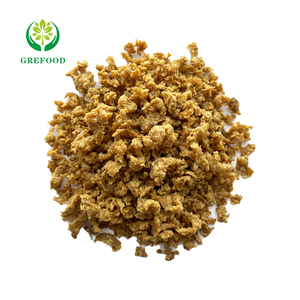
Seattle is a major global hub for alternative protein innovation. Achieving authentic bite, fibrous texture, and moisture retention in vegan salmon slices or plant-based burgers requires structured hydrocolloid networks. Our combination of High Protein Textured Pea Protein and Iota Carrageenan/Alginate gel systems forms precise cross-linked matrices that replicate muscle fiber resistance, holding intramuscular fats without oil bleeding during retail cooking.
In the birthplace of specialty coffee, oat milk and almond milk must perform under high thermal stress and extreme espresso acidity without feathering or curdling. Our Low-Acyl Gellan Gum and dipotassium phosphate hydrocolloid blends create stable fluid gels. They maintain insoluble calcium particle suspension, impart rich mouthfeel, and ensure dense, micro-foam steamability for Seattle's commercial espresso bar channels.
Removing gluten creates crumb collapse, dryness, and rapid staling. Commercial bakeries in Greater Seattle utilize our high-purity Xanthan Gum (200 mesh) paired with Modified Tapioca Starches to rebuild gas-retention networks. This hydrocolloid synergy mimics gluten elasticity, increases loaf volume, retains moisture, and extends shelf life by 40% in clean-label, gluten-free sandwich loaves and pastries.
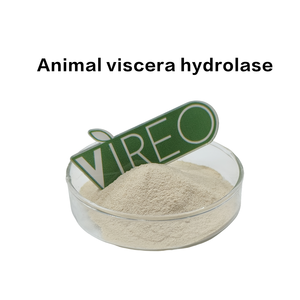
Operating through the Port of Seattle and Port of Tacoma, Pacific Northwest wild-caught cod, salmon, and shellfish processors require water-holding capacity (WHC) solutions to reduce drip-loss during ocean transit. Our Animal Viscera Hydrolase Powder and specialty functional phosphate-carrageenan glazes preserve muscle proteins, maintain cook yield, and retain natural sea juice integrity during blast freezing.
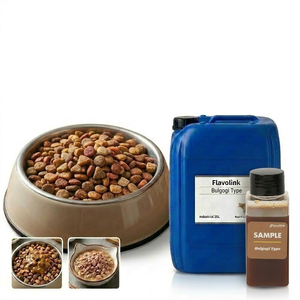
PNW consumers demand human-grade pet nutrition. Manufacturers blending freeze-dried dog foods and gravy-based wet cans incorporate our Flavolink Liquid Enhancers and texturizers to achieve rich gravy viscosity without phase separation. The result is optimized kibble durability, enhanced palatability, and uniform nutrient distribution in high-capacity extrusion lines.
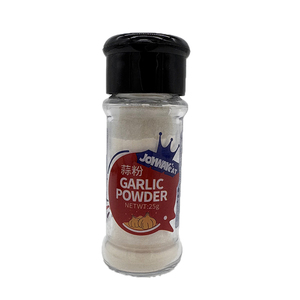
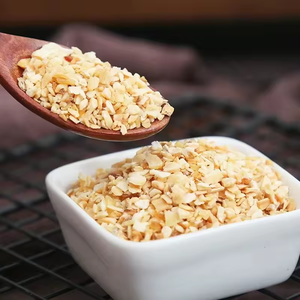
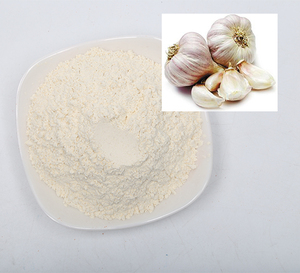
Pacific Northwest consumers actively scrutinize ingredient decks for synthetic additives. Our non-GMO dehydrated garlic granules combined with cold-soluble native and modified starches provide instant thickener performance in salad dressings and ready-to-eat meal sauces. They deliver heat-and-acid stability, full body, and clean flavor release without cloudiness or unwanted chemical aftertaste.
As consumer preferences in Washington, Oregon, and Northern California shift rapidly toward health, sustainability, and transparency, food manufacturers must adapt their raw material procurement strategies. Below are the dominant market forces driving hydrocolloid demand in the Seattle market:
Seattle consumers led the U.S. demand for "No Artificial Ingredients" clean-label products. Formulators are systematically replacing modified synthetic starches and chemical emulsifiers (such as polysorbates and DATEM) with natural, plant-derived hydrocolloids like pectin, acacia gum, and native pea proteins. Our direct-from-origin sourcing guarantees non-GMO, organic-compliant texturizer grades that support front-of-pack clean-label claims.
Driven by the PNW's environmental consciousness, sustainability in raw material sourcing is no longer optional. Hydrocolloids derived from red and brown seaweeds (carrageenan and alginates) along with upcycled agricultural sidestreams (such as citrus peel pectin) represent green, renewable biopolymer solutions. Our manufacturing operations utilize energy-efficient extraction processes that meet stringent ESG procurement metrics.
The fortification of snacks, ready-to-drink (RTD) beverages, and meal replacements with high doses of plant protein (pea, soy, rice) causes significant textural challenges, including chalkiness and sediment fallout. Stabilizing high-protein matrix systems requires specialized hydrocolloids like High-Acyl Gellan Gum and Microcrystalline Cellulose (MCC) to maintain smooth mouthfeel and physical suspension over a 12-month shelf life.
Geopolitical volatility and ocean freight bottlenecks have forced Seattle food plant buyers away from high-markup spot trading toward direct-factory supply agreements. Shipping directly from our manufacturing bases in China straight to the Port of Seattle / Tacoma saves 10-14 transit days compared to East Coast U.S. ports. Coupled with consolidated regional warehousing, plants eliminate line-stoppage risks entirely.
Integrating global raw material manufacturing power with regional U.S. warehousing and technical distribution gives food manufacturers an undeniable competitive edge. Drawing upon decades of food ingredient supply expertise (modeled after leading North American distribution practices like Essex Food Ingredients), we streamline your raw material supply chain from formulation to dockside delivery.
Instead of managing dozens of individual vendors for gums, starches, proteins, dehydrated vegetables, and specialized enzymes, your purchasing team places One Purchase Order. We consolidate all functional ingredients into a single ocean container or truckload, drastically lowering landed freight cost and simplifying accounts payable.
We understand that inventory ties up vital working capital. By warehousing inventory strategically across North America and utilizing consolidated shipping channels, we offer flexible MOQ structures. Buy the exact amounts your production run requires—from pallet-level trial runs to full FCL containers.
Our food technologist team assists your benchtop R&D scientists with rheological modeling, substitution trials, and cost-down reformulations. We provide exact analytical Certificates of Analysis (COA), gel-strength viscosity curves, and particle size specifications before shipping.
Detailed technical and logistical answers for plant managers, buyers, and food scientists in the Pacific Northwest.
Partner directly with China's leading hydrocolloid manufacturer. Request technical data sheets, benchtop sample kits, or custom FOB/DDP price quotations today.
Get a Quote