1. The China-to-Nigeria Nutraceutical Supply Chain: A Strategic Whitepaper Analysis
The West African healthcare, dietary supplement, and functional beverage landscape is undergoing an unprecedented structural expansion. Driven by a population exceeding 220 million in Nigeria, expanding urban centers across Lagos, Abuja, Port Harcourt, and Kano, and a heightened post-pandemic focus on preventive healthcare, domestic manufacturing demand for pharmaceutical-grade raw materials has reached historical peaks. For Nigerian brand owners, pharmaceutical formulators, and contract packaging enterprises, securing a resilient, high-purity supply chain from China’s leading industrial bio-manufacturing centers is no longer merely an option—it is a foundational business imperative.
China stands as the global anchor for chemical synthesis, botanical extraction, amino acid fermentation, and active pharmaceutical ingredient (API) production. However, exporting bulk raw materials into the Nigerian market requires navigating a distinct set of regulatory, environmental, and logistics hurdles. Sourcing successfully demands absolute alignment with the National Agency for Food and Drug Administration and Control (NAFDAC), compliance with Standards Organisation of Nigeria (SON) regulations, and logistics management across ocean corridors terminating at Apapa and Tin Can Island ports in Lagos.
Key Supply Chain Vulnerability: Tropical Environmental Degradation
Standard export packaging frequently compromises bio-active stability under West Africa's severe ambient conditions, where coastal humidity regularly exceeds 85% and warehouse temperatures reach 38°C. Our bulk supply architecture utilizes dual-layer pharmaceutical foil barrier liners paired with nitrogen flushing and active desiccant systems, preventing hygroscopic caking and potency loss during transit and local storage.
By integrating direct factory sourcing from cGMP-certified Chinese complexes with consolidated export logistics, Nigerian manufacturers can lower landed raw material costs by up to 28% while simultaneously ensuring 100% batch-to-batch consistency verified via high-performance liquid chromatography (HPLC) and atomic absorption spectroscopy (AAS).
2. Localized Application Scenarios Across Nigeria’s Health & Wellness Market
Formulating nutraceuticals for West African consumers requires translating global ingredient innovations into localized consumption formats, addressing specific dietary deficiencies, regional health challenges, and popular retail presentation styles.
1. Instant Energy & Electrolyte Sachets
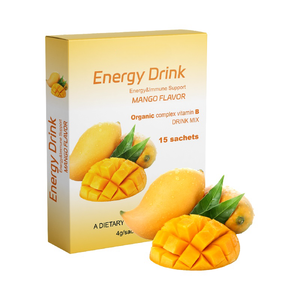
In high-density commercial trading hubs such as Onitsha, Aba, and Lagos Island, single-serve dry powder sachets out-sell large tubs by over 12:1. Utilizing Chumita Sport Multivitamin Powder and Peanut Oligopeptide Powder 98% enables manufacturers to produce rapid-dissolve, non-clumping sachet beverages that provide immediate cellular hydration, muscular anti-fatigue benefits, and sustained physical endurance without requiring cold-chain distribution.
2. Women's Reproductive & Hormonal Health
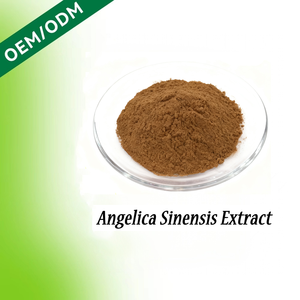
Sub-Saharan retail pharmacies report accelerating demand for non-hormonal, botanical solutions for feminine wellness. Formulating with standardized HDK Angelica Sinensis (Dong Quai) Extract and Nutraceutical Cranberry Extracts allows domestic brands to create targeted syrups and pectin gummies for menstrual balance, blood replenishment, and urinary tract antimicrobial defense tailored to local preferences.
3. Pediatric Immunity & Infant Fortification
Addressing early-childhood malnutrition and gastrointestinal vulnerability is a high priority for Nigerian healthcare formulators. Incorporating 3-FL HMOs (99% HPLC) produced via bio-fermentation into dry infant cereals and milk powders provides bio-identical human milk oligosaccharides that establish strong gut microbiome protection and suppress pathogenic adhesion.
3. Macro Market Trends Shaping Nigeria’s Nutraceutical Sector (2025–2030)
Market leadership in West Africa requires positioning formulations ahead of fast-evolving regulatory shifts, consumer habits, and macroeconomic realities. Our industry intelligence highlights four pivotal trends reshaping the market:
-
The Pectin Gummy Revolution: Traditional gelatin gummies frequently fail in tropical West Africa, melting into a cohesive mass during open-air logistics and retail display. High-performance pectin-based gummies—such as our OEM Nutraceutical Cranberry Gummies—remain thermally stable up to 45°C while maintaining Halal compliance, driving rapid adoption across urban pharmacies.
-
Micro-Dose Sachet Economy: Due to macroeconomic inflation and income sensitivity, consumer purchasing favors small, highly affordable packaging units (e.g., 5g to 15g single-use sachets) over expensive 500g tubs. Raw materials must exhibit superior free-flowing capabilities, instant water solubility, and anti-caking properties under high ambient humidity.
-
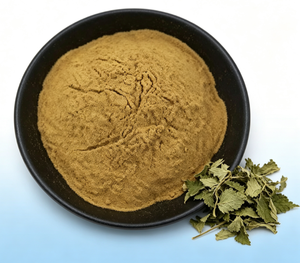
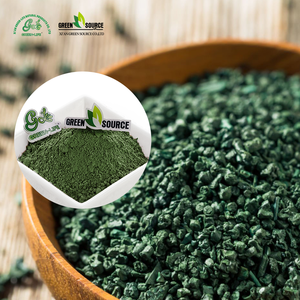
Clean-Label Botanical Authenticity: Consumers in Lagos, Abuja, and Port Harcourt are increasingly demanding natural, plant-based remedies supported by scientific testing. High-potency botanical extracts like Stinging Nettle 70% Silica and Spirulina Powder enable domestic brands to replace synthetic ingredients with validated bio-actives.
-
Supply Chain Consolidation & FX Optimization: Foreign exchange volatility makes managing fragmented overseas suppliers financially risky for Nigerian importers. Buying consolidated full container loads (FCL) or less-than-container loads (LCL) from a single Chinese manufacturer simplifies Form M generation, PAAR processing, and banking clearance.