Consolidated ingredient sourcing tailored for meat processing, dairy fermentation, bakery freshness, and beverage stability across Romania and the CEE region.
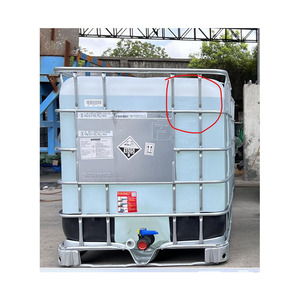
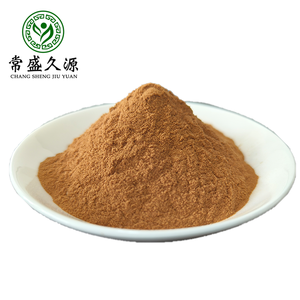
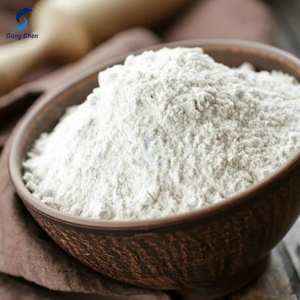
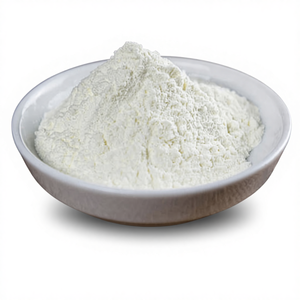
In the contemporary European food processing landscape, food safety, shelf-life extension, and organoleptic stability represent the core pillars of industrial profitability. As a leading China-based manufacturer and global supplier of food-grade Lactic Acid (E270), Sodium Lactate (E325), Potassium Lactate (E326), and customized lactate blends, our organization delivers enterprise-grade bio-preservation solutions engineered specifically for the stringent demands of the Romanian food industry.
Lactic acid is a naturally occurring organic acid produced via precision submerged carbohydrate fermentation using non-GMO corn glucose syrup. Its primary role in food preservation relies on two distinct biochemical mechanisms: intracellular acidification and water activity ($a_w$) depression. When added to food matrixes, the un-dissociated form of lactic acid freely permeates pathogenic and spoilage bacterial cell membranes. Once inside the neutral cytoplasm, the acid dissociates into hydrogen ions ($H^+$) and lactate anions ($L^-$), forcing the microorganism to expend cellular energy pumping out excess protons. This metabolic collapse disrupts cellular homeostasis, inhibits key enzyme pathways, and causes rapid bacterial death.
Information Gain Metric: Natural L-Lactic Acid exhibits a significantly higher metabolic efficiency and lower flavor threshold impact than racemic D/L-lactic acid mixtures. Our bio-fermentation infrastructure yields L-Lactic acid with an optical purity exceeding 99.5%, ensuring maximum antimicrobial efficacy against Listeria monocytogenes, Salmonella enterica, and Escherichia coli without imparting harsh acrid off-notes in delicate meat or dairy applications.
In complex food systems such as emulsified sausages, fresh cheese curds, and savory sauces, standalone antimicrobials often hit limits regarding sensory acceptability. By combining high-purity Lactic Acid with synergistic salts (Sodium/Potassium Lactates) and hydrocolloids (such as Xanthan Gum 80/200 mesh or FOODGEL Carrageenan M213), food technologists can achieve multi-hurdle stability. This approach lowers the Minimum Inhibitory Concentration (MIC) required for pathogen suppression while enhancing moisture retention, purge reduction, and sliceability.
| Compound / E-Number | Primary Bio-Function | Target Pathogens / Microbes | Typical Application Matrix |
|---|---|---|---|
| L-Lactic Acid 80% / 85% (E270) | pH Reduction, Acidulant, Pathogen Control | Listeria, Salmonella, Pseudomonas | Fresh Meat Carcass Rinses, Sauces, Bakery Sourdoughs |
| Sodium Lactate 60% (E325) | Humectant, Water Activity Control, Flavor Enhancer | Clostridium botulinum, Spoilage Bacteria | Cooked Hams, Salam de Sibiu, Ready-to-Eat Meats |
| Potassium Lactate 60% (E326) | Low-Sodium Preservation, Shelf-Life Extension | Listeria monocytogenes | Sodium-Reduced Meat Formulations, Poultry Products |
| Lactate-Diacetate Blends | Synergistic Hurdle Technology Preservation | Listeria, Spores, Yeast, Molds | Processed Meats, Mititei (Mici), Cold Cuts |
Romania boasts a rich culinary heritage paired with a rapidly modernizing industrial food sector centered around major economic hubs like Bucharest, Cluj-Napoca, Timișoara, Brașov, and Iași. Romanian consumers demand authentic taste profiles alongside extended shelf-life and clean-label transparency. Our specialized lactic acid preservative solutions are engineered to fit seamlessly into the following regional application scenarios:
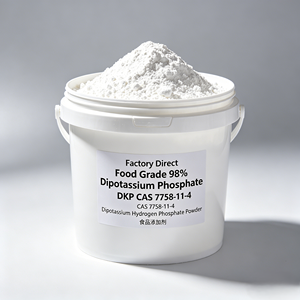
In dry-cured meats like Salam de Sibiu (PGI) and fresh minced meat preparations like Mititei (Mici), controlling moisture purge and microbial spoilage during cold-chain distribution is vital. Liquid Sodium Lactate combined with Dipotassium Phosphate (DKP) stabilizes fat emulsion, prevents oxidation, and keeps *Mititei* juicy while extending shelf-life in retail modified atmosphere packaging (MAP).
Romania's dairy sector relies heavily on brine-cured cheeses like Telemea and fermented milks (Sana, Tăpălog). Calcium Lactate and Lactic Acid provide rapid pH adjustment during coagulation, yielding firmer curd structure and consistent acidity, preventing secondary gas fermentation by wild yeasts during warm summer logistics.
In commercial bakeries across Romania, Lactic Acid acts as a natural bread improver. When paired with High Activity Neutral Protease (50,000 U/g), it softens gluten matrices, enhances dough extensibility, increases bread volume, and prevents rope spoilage caused by Bacillus subtilis in warm climates.
As a prominent European Union member state, Romania is subject to strict European Food Safety Authority (EFSA) mandates and evolving consumer expectations. Procurement officers and R&D heads face three major industry shifts:
1. Clean Label Transition & E-Number Optimization: Romanian consumers are increasingly scrutinizing food labels, rejecting artificial chemical preservatives such as sodium benzoate (E211) and potassium sorbate (E202). Fermentation-derived L-Lactic acid and sodium lactate are perceived as natural, consumer-friendly ingredients, enabling food brands to claim "Clean Label", "No Artificial Preservatives", or "Naturally Fermented".
2. Cost Inflation & Supply Chain Resilience: Facing rising energy costs and operational expenses within Eastern Europe, food producers require highly concentrated, high-yield raw materials. Sourcing direct from tier-one Chinese fermentation manufacturers gives Romanian importers a distinct price-to-performance advantage over domestic distributors, reducing raw material landed costs by 15% to 30%.
3. Expansion of Modern Retail Chains (Kaufland, Lidl, Carrefour Romania): The rapid growth of modern retail channels in Romania demands longer guaranteed shelf-life for packaged meats, ready-to-eat meals, and dairy products. Integrating robust bio-preservative systems ensures products pass rigorous retail store audits and retain sensory freshness throughout extended logistics windows.
Leveraging years of specialized B2B export expertise, our organization bridge the gap between world-class Chinese biomanufacturing plants and European buyers. We streamline food ingredient procurement through five core operational pillars:
All batches conform strictly to EU Regulation (EC) No 1333/2008 and Regulation (EU) No 231/2012 for food additives. Complete documentation packages—including Certificate of Analysis (COA), Allergen Statements, Non-GMO Declarations, Heavy Metal Audits, ISO 22000, FSSC 22000, HALAL, and KOSHER certifications—are supplied with every shipment.
Instead of managing dozens of isolated factory POs, Romanian food manufacturers can consolidate Lactic Acid with complementary functional ingredients—such as Soy Protein Concentrate, Xanthan Gum, Carrageenan, and Food-Grade Phosphates (DKP / Phosphoric Acid)—into a single container load (FCL), reducing ocean freight fees and customs handling fees.
We understand the cash flow constraints of growing food processing facilities. By stocking bulk inventory in centralized transit hubs, we offer lower Minimum Order Quantities (MOQs), allowing mid-sized Romanian plants to order exact production quantities without tying up working capital.
Below are technical answers to common questions raised by Romanian food buyers, quality assurance directors, and import managers during product evaluation: