High-purity functional additives, natural emulsifiers, hydrocolloids, and sensory solutions essential for commercial edible fat refining, bakery performance, and processed food formulations in Pakistan.
Pakistan stands as one of the world's top importers and consumers of vegetable lipids, with an annual commercial demand surpassing 4.5 million metric tons. The local manufacturing landscape is concentrated along the coastal refining hubs of Karachi (Port Qasim and Karachi Port Trust) as well as major industrial processing belts in Punjab (Faisalabad, Lahore, Multan, and Gujranwala). Because local domestic oilseed crushing—primarily mustard, rapeseed, cottonseed, and limited sunflower—covers less than 15% to 20% of total national requirements, commercial edible fat factories depend heavily on imported Crude Palm Oil (CPO), Palm Olein, and Crude Soybean Oil from Southeast Asia and South America.
For industrial food manufacturers, industrial bakeries, confectioners, and snack food processors, navigating Pakistan’s commercial edible oil market requires rigorous oversight of chemical parameters, thermal resistance, solid fat content (SFC) profiles, and strict compliance with national quality frameworks. The modern Pakistani factory must balance high ambient summer temperatures (often exceeding 45°C in inland industrial zones) with oxidation stability, trans-fatty acid (TFA) regulatory mandates, and fluctuating international market dynamics.
Banaspati Ghee remains a cornerstone culinary fat system across Pakistani commercial kitchens, institutional catering, and commercial food production. Historically produced via partial hydrogenation of vegetable oils (yielding high trans-fatty acid levels), modern progressive factories in Karachi and Lahore have transitioned toward enzymatic interesterification and chemical fractionation. By blending fully hydrogenated palm stearin with refined bleached deodorized (RBD) palm olein and soft oils (soybean or sunflower), manufacturers achieve the traditional grainy texture, high melting point (36°C – 38°C), and rich mouthfeel required for authentic South Asian savory items without exceeding modern trans-fat thresholds.
| Technical Parameter | Standard Banaspati Spec | Industrial Shortening Spec | High-Stability Frying Olein |
|---|---|---|---|
| Free Fatty Acid (as Palmitic % max) | 0.08% - 0.10% | 0.05% - 0.08% | 0.05% max |
| Peroxide Value (meq/kg max) | 1.0 meq/kg | 1.0 meq/kg | 0.8 meq/kg |
| Slip Melting Point (°C) | 36.0°C - 38.0°C | 39.0°C - 42.0°C | 20.0°C - 24.0°C |
| Iodine Value (g I₂/100g) | 50 - 54 | 42 - 48 | 56 - 60 |
| Induction Period (Rancimat @ 120°C) | 14 - 18 Hours | 18 - 25 Hours | 25+ Hours |
Commercial bakeries supplying Pakistan’s vast retail biscuit, rusk, puff pastry, and cake market require highly specialized fat matrices. Bakery shortenings must display controlled plasticity over broad ambient temperature ranges. In regional industrial hubs like Faisalabad and Gujranwala, bakery fats are engineered with customized Solid Fat Content (SFC) curves:
Pakistan’s rapid urban growth has fueled explosive demand for packaged fried snacks, potato chips, extruded corn curls, and instant fried noodles. Commercial frying lines operate continuously at oil temperatures ranging from 170°C to 190°C. Raw, unrefined vegetable oils degrade rapidly under these conditions due to hydrolysis, oxidation, and polymerization. Leading edible oil refiners in Karachi supply double-fractionated Super Olein (IV 60-64) and high-oleic oil blends fortified with natural antioxidant systems (TBHQ, Ascorbyl Palmitate, and Mixed Tocopherols) to ensure extended fryer turn-over times, minimal oil absorption into products, and crisp texture without greasy residues.
Beyond traditional culinary fats, commercial food processors increasingly utilize lipid-hydrocolloid interactions to create value-added foods:
In alignment with WHO directives, the Pakistan Standards and Quality Control Authority (PSQCA) alongside provincial food authorities (such as the Punjab Food Authority - PFA and Sindh Food Authority - SFA) have instituted strict mandatory limits capping Trans Fatty Acids (TFAs) to less than 2% of total fat content in all commercial edible oils, banaspati, and industrial shortenings. Refineries are heavily investing in physical refining and interesterification plants to replace old hydrogenation reactors.
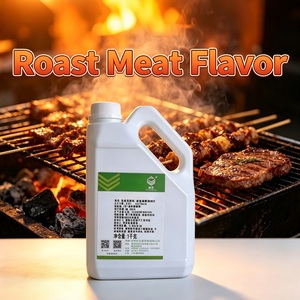
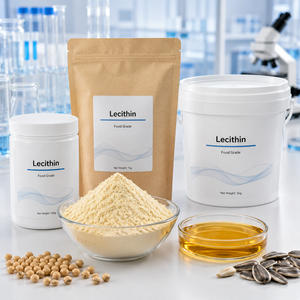
Every commercial fat batch, processing aid, emulsifier (e.g., E322 lecithin, E471 mono-diglycerides), and added flavor precursor imported into or processed within Pakistan must possess authentic Halal Certification accredited by PNAC (Pakistan National Accreditation Council) and recognized international bodies. Traceability from source plantation/slaughter facility to finished food container is non-negotiable for enterprise buyers.
Given currency fluctuations, import letter-of-credit (LC) constraints, and ocean freight delays at Port Qasim, commercial food factories are moving away from fragmented vendor sourcing. Operational directors are partnering with consolidated raw material distributors capable of stocking bulk functional ingredients, micro-ingredients, hydrocolloids, and specialty lipid blends in strategic inland bonded warehouses.
Managing a commercial food production facility requires precise timing, consistent ingredient purity, and predictable landed costs. Rather than dealing with fragmented suppliers for fats, colorants, emulsifiers, flavor extracts, and texturizers, our enterprise supply model provides a streamlined solution for food factories across Pakistan.
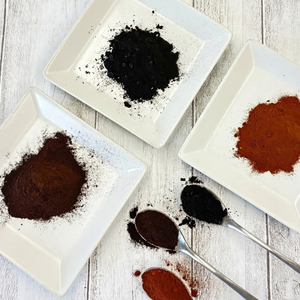
Consolidate bulk lipid systems, natural caramel colorants, carrageenan thickeners, soy lecithin, and dehydrated savory powders into a single freight delivery, lowering accounts payable complexity and port handling expenses.
Avoid tying up excessive capital in full container loads of specialty micro-ingredients. Order exact required volume batches matching your weekly production plan without sacrificing volume-tier pricing benefits.
Every shipment is backed by batch-specific Certificates of Analysis (COA) verifying Peroxide Value, Free Fatty Acid levels, Slip Melting Point, heavy metal screening, and full Halal compliance audit trails.
Speak with our technical R&D team and procurement specialists to request product specifications, batch COAs, sample kits, and customized consolidated quotes for your manufacturing facility in Pakistan.
Inquire Now