Premium functional raw materials, hydrocolloids, flavor systems, and proteins engineered for high-performance confectionery processing in Riyadh and the wider GCC region.
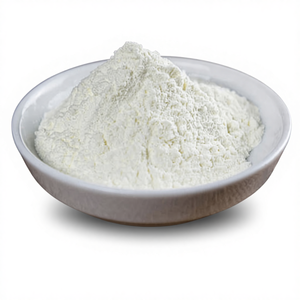
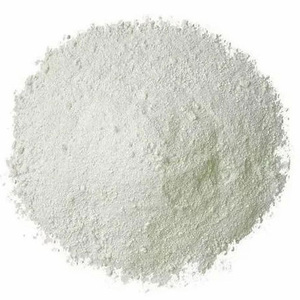
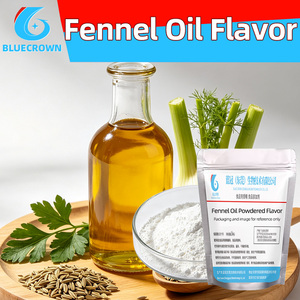
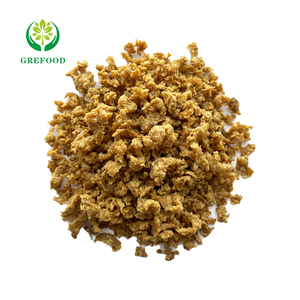
The confectionery manufacturing ecosystem in Riyadh is experiencing an unprecedented structural transformation. Driven by the ambitious goals of Saudi Vision 2030 and supported by the National Industrial Development and Logistics Program (NIDLP), the Kingdom is rapidly shifting from a net importer of packaged sweets to a regional manufacturing powerhouse. Industrial cities under MODON (Saudi Authority for Industrial Cities and Technology Zones) in Riyadh are expanding rapidly, hosting state-of-the-art facilities producing artisan chocolates, traditional Arabic confections (such as Ma'amoul, Halwa, and date-based sweets), commercial gummies, and baked goods.
Operating a confectionery production facility in Riyadh presents unique technical and logistical parameters. Industrial food processors must balance rigid quality standards enforced by the Saudi Food and Drug Authority (SFDA) with the thermal challenges of high ambient regional temperatures. Achieving melt-resistance in chocolate coatings, preventing syneresis in gelatin-free fruit jellies, and maintaining aromatic integrity in ambient storage require specialized food hydrocolloids, thermostable flavor carriers, and advanced emulsifier technology.
With Saudi Arabia implementing excise taxes on sugary beverages and promoting public health initiatives, Riyadh consumers are seeking low-sugar, keto-friendly, and fiber-fortified confections. Polyols, Soluble Corn Fiber, and Beta-Cyclodextrin masked formulations are replacing traditional sucrose bases.
Every imported confectionery ingredient must comply with GSO 2055-1 Halal requirements, heavy metal caps, pesticide residue limits, and batch-level Certificate of Analysis (COA) verification. Supplier transparency is non-negotiable for Riyadh quality control (QC) labs.
To reduce working capital tied up in sea freight inventories and port clearances at King Abdulaziz Port in Dammam or Dry Ports in Riyadh, local buyers favor single purchase order (PO) consolidation across multiple ingredient lines.
Formulating confectionery products for the Middle Eastern consumer demands a deep understanding of rheology, thermal resilience, and regional taste profiles. Below are key technical application scenarios engineered by our application support team for commercial manufacturers operating in Riyadh.
Traditional animal-derived gelatins degrade rapidly when exposed to heat spikes during transit and warehouse storage in the Arabian Peninsula. By incorporating Foodmate FOODGEL Carrageenan M213 alongside high-mesh Xanthan Gum (80/200 Mesh), food technicians create a resilient hydrocolloid network. This system delivers a clean, elastic bite, excellent flavor release, and a melting thermal threshold exceeding 65°C, ensuring gummies retain their shape without sticking inside packaging.
Date-based confectionery is a cornerstone of Saudi food heritage. Industrial date paste processing requires moisture control agents to prevent water migration from date fillings into outer pastry shells (which causes sogginess or microbial mold growth). Utilizing modified food starches combined with functional hydrocolloids locks in free water, stabilizes water activity (a_w < 0.65), and extends shelf-life under warm retail display conditions.
Fat bloom and sugar bloom are primary quality failure modes for chocolate manufacturers in KSA. High summertime temperatures alter fat crystal structures. Incorporating specialty emulsifiers and encapsulation matrices using Beta Cyclodextrin (CAS 7585-39-5) stabilizes fat systems, protects volatile aromatic compounds (like vanilla and cardamon oil powders), and preserves gloss and snap across ambient distribution networks.
The sports nutrition and wellness market in Riyadh is expanding rapidly among younger demographics. Incorporating Textured Pea Protein into chocolate-coated crispies or nougat bases provides a non-GMO, clean-label plant protein source without sacrificing crunch or introducing earthy off-notes. Flavor masking technologies guarantee sensory satisfaction in every bite.
Procuring raw food ingredients directly from dozens of disparate international chemical factories introduces supply chain risk, administrative overhead, and logistics bottlenecks. Our consolidated sourcing model bridges global manufacturing precision with Riyadh's local production demands.
From hydrocolloids, starches, and emulsifiers to spices, extracts, and plant proteins—access an extensive portfolio through a single trusted supply partner.
Consolidate multiple ingredient line items into one master Purchase Order. Streamline accounts payable, customs documentation, and landed cost management.
Protect working capital and optimize warehouse floor space. We offer right-sized LCL and FCL order sizes tailored to your actual manufacturing schedule.
Our experienced food technologist team assists with ingredient substitutions, clean-label reformulations, and bench-to-plant scale-up troubleshooting.
Every shipment comes equipped with complete documentation: Certificates of Analysis (COA), Halal certifications, SDS, heavy metal screenings, and allergen statements.
Strategic warehousing and logistics routing ensure predictable transit timelines to industrial zones in Riyadh, Jeddah, Dammam, and across the GCC.
Find authoritative answers regarding regulatory standards, shipping, Halal compliance, and technical ingredient performance for the Saudi market.