Toll-free: 1 (800) 441-1017 HQ: 9 Lee Blvd, Frazer, PA 19355
3,000+ ingredients · One purchase order · On time, in full

Fish Processing Ingredient Solutions: Factories & Exporter for the Tokyo Market

Technical White Paper & Global B2B Supply Chain Guide: Advanced Hydrocolloids, Enzymatic Hydrolysates, Food-Grade Phosphates, and Bio-Preservatives Tailored for Tokyo's High-Precision Seafood Industry.

Featured Industrial Ingredients & Processing Machinery

Direct supply solutions for Tokyo seafood processing factories, surimi manufacturers, commercial fisheries, and value-added marine product exporters.

3,000+
Global Ingredients Portfolio
99.4%
On-Time Tokyo Port Delivery
<0.5%
Thaw Drip Loss Rate Achieved
100%
MHLW & JAS Compliance

Executive Technical Report: The Tokyo Seafood Processing Landscape

Tokyo stands as the undisputed global nexus of premium seafood consumption and industrial marine processing. Driven by the legendary benchmarks of the Toyosu Market (formerly Tsukiji) and backed by stringently enforced standards from the Japanese Ministry of Health, Labour and Welfare (MHLW), Tokyo-based food processors, nerimono (fish paste product) factories, and ready-to-eat seafood manufacturers demand unparalleled consistency, functional efficacy, and regulatory clarity from their raw material suppliers.

Information Gain Insight: Modern seafood processing in the Greater Tokyo Area (covering Chiba, Kanagawa, and Tokyo Bay logistics hubs) has shifted toward non-thermal shelf-life extension, precise myofibrillar protein matrix gelation, and sodium-reduced texture optimization. Exporters must supply documented, batch-tested functional ingredients that integrate seamlessly into high-throughput automated Japanese processing lines.

To succeed in Tokyo's hyper-competitive retail and food service sectors, seafood processors encounter complex biochemical challenges during harvesting, cold-chain transport, filleting, washing, mincing, and freezing. The main technical failure points include myofibrillar protein denaturation, thaw drip loss, lipid oxidation leading to rancidity, and elasticity degradation (lack of Ashi in Surimi). Addressing these critical quality attributes requires engineered ingredient systems, including specialized food-grade acidulants like Phosphoric Acid (CAS 7664-38-2), bioactive water-soluble oligochitosan preservatives, precision enzymatic hydrolases, and advanced high-shear homogenizing machinery for lipid-water phase stabilization.

Localized Application Scenarios in Greater Tokyo Seafood Industrial Operations

Japanese consumer expectations for marine products are uncompromisingly high regarding texture, appearance, umami profile, and clean label transparency. Below, we break down four core processing workflows utilized across Tokyo's food production zones, outlining the precise functional chemical and physical interactions involved.

1. Surimi & Kamaboko Gel Matrix Optimization (Nerimono Industry)

In Tokyo's regional fish cake (Kamaboko, Chikuwa, and Hanpen) production plants, maintaining high gel strength (Jelly Strength measured in g·cm) while minimizing added sodium chloride is a primary R&D mandate. The myofibrillar proteins—specifically myosin and actin—must form a tight three-dimensional gel network during thermal processing.

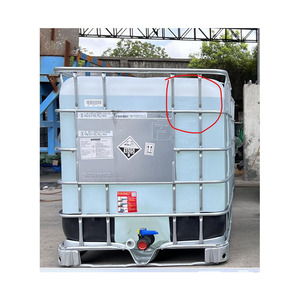
  • pH Adjustment & Water-Holding Capacity (WHC): Utilizing exact dosing of 75% & 85% Food Grade Phosphoric Acid (H3PO4) allows master formulators to adjust the slurry pH slightly away from the isoelectric point of fish muscle protein (pH 5.2–5.5). Shifting the pH toward 6.2–6.8 increases electrostatic repulsion between filaments, creating space for bound water and reducing thaw drip loss to under 0.5%.
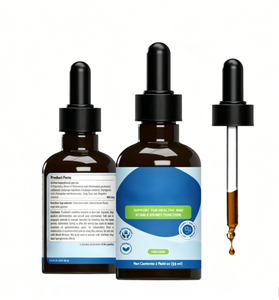
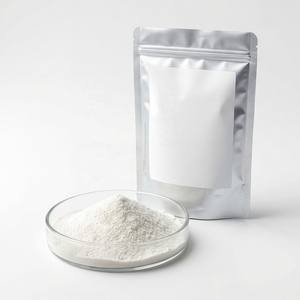
  • Natural Texturization & Bio-Preservation: Integrating Marine Genesis Bio-Tech Oligochitosan (Water-Soluble Chitosan Oligosaccharide Powder) delivers a dual benefit. Chemically, the positively charged amino groups (-NH3+) of oligochitosan interact electrostatically with protein chains to reinforce the gel network. Biologically, oligochitosan provides natural antimicrobial action against spoilage organisms such as Pseudomonas spp. and Lactobacillus without synthetic additives.

2. Premium Sashimi-Grade Frozen Fillet & Shellfish Drip-Loss Control

Tokyo's high-end sushi establishments and department store basement food halls (Depachika) require frozen tuna (Maguro), yellowtail (Buri), and scallops (Hotate) to maintain their radiant natural color, firm texture, and cell integrity upon thawing.

  • Cell Membrane Integrity Maintenance: When marine muscle freezes, ice crystals can rupture cell membranes, leading to severe drip loss and loss of soluble umami compounds (inosine monophosphate and glutamic acid). Pre-dip treatments formulated with food-grade phosphoric acid salts and low-molecular-weight chitosan oligosaccharides form a micro-thin protective barrier over the tissue, locking in natural moisture and cellular fluids.
  • Preventing Discoloration: Oxidative degradation of myoglobin into metmyoglobin causes unappealing browning in red fish. Controlled bio-preservative micro-coating shields surface lipids and iron-binding proteins from atmospheric oxygen.

3. Umami Enhancement & High-Value By-Product Upcycling

Waste reduction and maximum yield extraction are central to Tokyo's sustainable processing mandate. Fish heads, frames, viscera, and trimmings represent rich sources of high-quality marine protein and natural flavor pre-cursors.

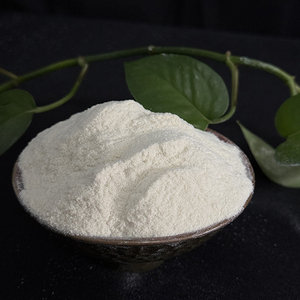
  • Enzymatic Hydrolysis for Natural Broths: Applying Animal Viscera Hydrolase Powder enables controlled enzymatic cleavage of complex marine proteins into short-chain umami peptides and free amino acids (glutamic acid, glycine, alanine). These bio-hydrolysates serve as natural flavor intensifiers for dashi bases, ramen broth concentrates, Tsukudani seasonings, and seafood gravies.
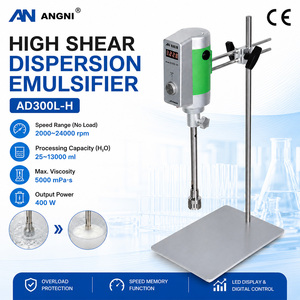
  • High-Shear Emulsification: Utilizing state-of-the-art processing hardware like the Angni AD300L-H High Shear Dispersing Emulsifying Machine guarantees sub-micron droplet breakdown during the creation of stable marine oil-in-water emulsions, fish sauce seasonings, and lipid-enriched pastes, eliminating phase separation during heat sterilization.

4. Pet Food & Companion Animal Nutrition Formulations

Tokyo represents one of Asia's most lucrative markets for premium human-grade pet food. Japanese pet owners increasingly treat pets as family members, favoring single-origin marine protein, clean labels, and functional wellness ingredients.

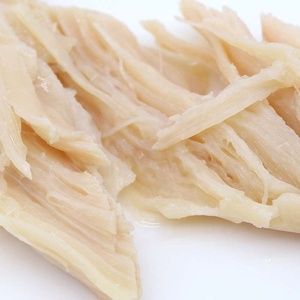
  • Functional Pet Hydration Formulas: Incorporating Pet High Protein Liquid Nutritional Formula (2.5kg OEM/ODM) and Steamed Chicken Breast Meat Ingredients allows Tokyo-based pet treat manufacturers to craft highly palatable, easily digestible lickable treats, toppers, and veterinary recovery formulas.
  • Gut & Immune Support Additives: The addition of 3-FL HMOs (Precision Fermentation Human Milk Oligosaccharides) and water-soluble oligochitosan into premium pet food formulations delivers scientifically proven prebiotic support, modulating the intestinal microbiota and enhancing systemic immunity in aging domestic dogs and cats.

Localized Market Trends Shaping Tokyo's Seafood Import Sector

Understanding regional procurement trends is essential for international ingredient manufacturers and export factories aiming to supply Japanese conglomerates like Nippon Suisan (Nissui), Maruha Nichiro, and Kyokuyo.

Trend 1: Accelerated Transition to Clean-Label Preservatives

Japanese consumers scrutinize backend chemical additive codes on packaged foods. Chemical preservatives like sodium benzoate, potassium sorbate, and synthetic antioxidants are actively being phased out. Natural bioactive substitutes—such as water-soluble Chitosan Oligosaccharides derived from crustacean shells—are capturing market share due to their natural origin, neutral taste profile, and high efficacy.

Trend 2: Ultra-Low Sodium Surimi Formulations

The Japanese Ministry of Health, Labour and Welfare (MHLW) continues to campaign for dietary sodium reduction to combat cardiovascular disease. Historically, high salt levels (2–3% NaCl) were mandatory to solubilize myosin for gelation. Today, precision pH adjusters (food-grade phosphoric acid blends) combined with natural hydrocolloids allow factories to cut sodium usage by 30–50% without compromising elastic texture.

Trend 3: Upcycled Marine Protein & Bioactive Peptides

Circular economy initiatives across Tokyo Bay processing plants have turned fish trimmings into valuable revenue streams. Advanced enzymatic hydrolysis using animal viscera hydrolase powders allows facilities to convert low-value processing by-products into high-value bioactive peptides, marine collagen, and natural umami seasonings for retail and industrial markets.

Trend 4: Precision Emulsification & Laboratory Scale-Up

As functional food innovation accelerates, R&D labs in Tokyo demand pilot-scale high-shear homogenizers (such as the Angni AD300L-H) capable of reproducing full-scale industrial dispersion parameters. Exact lab-to-factory scalability prevents costly reformulating on commercial lines.

Tokyo Procurement & Technical FAQ (Frequently Asked Questions)

Direct answers to common regulatory, logistical, and technical questions encountered by Japanese purchasing managers and factory operators importing seafood processing ingredients.

Q1: Are your food-grade Phosphoric Acid and Oligochitosan compliant with Japanese MHLW regulations?
Yes, absolutely. All raw material ingredients exported to the Tokyo market comply with the Japanese Food Sanitation Act (Shokuhin Eisei Hō) enforced by the Ministry of Health, Labour and Welfare (MHLW). We provide comprehensive Documentation Packages with every shipment, including Certificate of Analysis (CoA), Heavy Metal & Arsenic Test Reports, Residual Solvent Analyses, Non-GMO Certifications, and full supply-chain traceability.
Q2: How does Phosphoric Acid (CAS 7664-38-2) improve thaw drip loss in frozen tuna and whitefish?
Phosphoric acid acts as a precise pH buffering agent. Muscle protein denaturation occurs rapidly when post-mortem pH drops near the isoelectric point (pH ~5.3), causing severe cellular water expulsion during thawing. By micro-buffering the processing brine to pH 6.0–6.5, the negative surface charge of myofibrillar proteins is maintained, preserving the hydration shell around protein chains and reducing thaw drip loss by over 80%.
Q3: What logistics options and MOQs are available for factories operating in the Greater Tokyo Area?
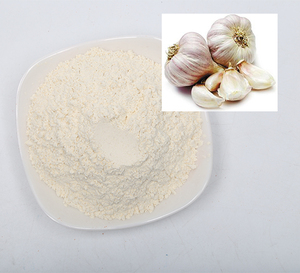
We offer flexible supply chain solutions tailored for both boutique Tokyo processors and large-scale industrial plants. By leveraging our streamlined ordering and order consolidation model, clients can combine functional hydrocolloids, enzymes, spice powders (such as dehydrated garlic), and machinery on a single purchase order (PO). Standard sea freight shipments dock at Tokyo Port or Yokohama Port within short lead times, with express air cargo options for urgent batch demands.
Q4: Can Water-Soluble Chitosan Oligosaccharide replace synthetic preservatives in Kamaboko?
Yes. Oligochitosan (Chitosan Oligosaccharide) features a low molecular weight and high water solubility, allowing uniform dispersion within the surimi paste. It penetrates bacterial cell membranes to inhibit growth while simultaneously forming a subtle protective matrix with fish proteins. Factory trials in Japan demonstrate a 30% to 50% extension in refrigerated shelf life without imparting off-flavors or affecting the classic white appearance of Kamaboko.
Q5: How does the Angni AD300L-H High Shear Machine assist in fish processing R&D?
The Angni AD300L-H is an industrial-grade laboratory homogenizer designed for precision dispersing, emulsifying, and particle size reduction (up to 28,000 RPM). R&D engineers use it to formulate stable fish oil emulsions, homogenize marine protein hydrolysates, and develop smooth paste matrices prior to committing to full-scale commercial manufacturing.

Enterprise Competitive Advantages & Global Supply Chain Strengths

As a global ingredient sourcing director and direct manufacturing exporter partner, our organization provides Tokyo seafood processors with strategic structural advantages designed to insulate operations against supply chain disruptions and margin pressures.

Order Consolidation

Procure over 3,000 functional food ingredients, specialized chemicals, and laboratory machinery under one Purchase Order. Consolidate ocean shipments to lower landed freight costs and streamline import clearing at Tokyo customs.

Strict Quality Assurance

Every batch shipped to Japan undergoes rigorous lab verification for purity, microbial counts, heavy metal limits, and functional performance. ISO, HACCP, FSSC 22000, and HALAL certified manufacturing facilities.

Technical R&D Support

Our food technologist team works directly with Japanese R&D personnel to assist in clean-label reformulations, sodium reduction strategies, gel strength optimization, and pilot-scale homogenizing trials.

Optimize Your Tokyo Seafood Processing Operations Today

Partner with an authoritative, globally certified ingredient manufacturer and exporter. Request technical data sheets, custom sample kits, or immediate factory pricing from our dedicated supply specialists.

Contact Us