High-purity food additives, microbial control agents, and functional carriers curated for food processors across Algiers, Oran, Constantine, and Annaba.
In modern industrial food manufacturing, Lactic Acid (2-hydroxypropanoic acid, C3H6O3, CAS 50-21-5) serves as a cornerstone organic acidulant, antimicrobial agent, and natural shelf-life extender. Produced primarily via the controlled carbohydrate fermentation of natural starches using refined strains such as Lactobacillus delbrueckii or Rhizopus oryzae, food-grade lactic acid provides a dual-action mechanism: effective hydrogen ion ($\text{H}^+$) depression and un-dissociated cell membrane permeation.
For Algerian food manufacturers navigating hot Mediterranean and Saharan climatic conditions, microbial control during distribution is a paramount challenge. High ambient temperatures accelerate the proliferation of spoilage organisms, including Listeria monocytogenes, Escherichia coli, Salmonella enterica, and spore-forming anaerobes such as Clostridium perfringens. Lactic acid achieves antimicrobial efficacy at lower concentration thresholds compared to citric or acetic acid, due to its pKa value of 3.86.
At a pH lower than the pKa, lactic acid remains predominantly in its un-dissociated molecular state. This neutral molecule easily passes through the hydrophobic lipopolysaccharide cell membrane of pathogenic bacteria. Once inside the neutral microbial cytoplasm, the acid dissociates into $\text{H}^+$ protons and lactate anions ($\text{C}_3\text{H}_5\text{O}_3^-$). The cell is forced to consume ATP to pump out excess protons, causing metabolic exhaustion, cell wall lysis, and rapid inactivation of pathogenic activity.
We export food-grade Lactic Acid in liquid concentrations (80%, 85%, and 88%) as well as encapsulated heat-stable powder variants (60% active content on calcium lactate/starch carriers). All shipments conform strictly to FCC (Food Chemicals Codex), European Union additive standard E270, and US FDA GRAS (Generally Recognized as Safe) criteria.
| Technical Parameter | Lactic Acid 80% Food Grade | Lactic Acid 85% Food Grade | Lactic Acid 88% Premium Heat-Stable |
|---|---|---|---|
| Assay (Purity) | 79.5% – 80.5% | 84.5% – 85.5% | 87.5% – 88.5% |
| Stereochemical Form | L-Lactic or D/L-Mix | High-Purity L-Lactic Acid | 100% Fermentation L-Lactic Acid |
| Color (APHA Unit) | ≤ 50 max | ≤ 30 max | ≤ 15 max (Water-White Clear) |
| Heavy Metals (as Pb) | ≤ 10 ppm | ≤ 5 ppm | ≤ 2 ppm |
| Arsenic (As) | ≤ 1 ppm | ≤ 1 ppm | ≤ 0.5 ppm |
| Sulfate Ash | ≤ 0.1% | ≤ 0.05% | ≤ 0.02% |
| Primary Application | Sauces, Pickles, Olives | Dairy Fermentation, Bakery | Halal Meat Sprays, Beverages |
Customized formulation strategies aligning with Algeria’s culinary heritage, regional supply chains, and industrial processing requirements.
Harissa is a staple in Algerian households. Industrial production of canned and jarred red chili paste requires strict pH regulation below 4.2 to prevent spores of Clostridium botulinum. Lactic acid offers a smoother, rounded tartness compared to harsh acetic acid, maintaining red carotenoid pigment stability and extending ambient shelf life across southern provinces like Ghardaïa and Biskra.
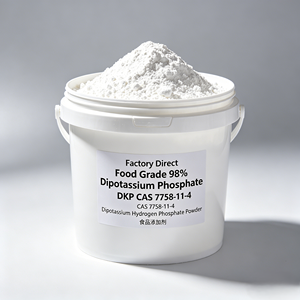
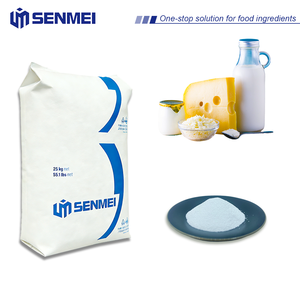
Algerian dairy processors manufacturing traditional fermented milks (Lben, Rayeb) and triangular processed cheese slices demand acidulants that harmonize with milk solids. Direct acidification using high-purity L-lactic acid speeds up coagulation, improves protein matrix gel strength, and acts synergistically with Dipotassium Phosphate (DKP) to ensure emulsification stability in spreadable cheeses.
In beef, mutton, and fresh Merguez sausage operations, surface spraying or carcass washing with a 2.0% – 2.5% lactic acid aqueous solution reduces aerobic plate counts by up to 3.5 logs. Paired with specialized Phosphate Blends for Meat, it enhances moisture retention, retains natural red color, and prevents lipid oxidation during cold-chain transport across Algeria.
Algeria's vast olive harvesting sector (Mascara, Tizi Ouzou) utilizes lactic acid in combination with brine solutions to accelerate fermentation of green and black table olives. It stabilizes texture by preventing enzymatic softening, inhibits wild yeast formation, and provides a pleasant acid profile preferred by North African consumers.
The Algerian food processing ecosystem is undergoing rapid modernization driven by government initiatives to reduce food waste, boost local food transformation, and enforce stringent import compliance. Key factors defining the market include:
Algerian Customs and the Ministry of Commerce mandate strict Halal compliance under Algerian Executive Decree regulations. All lactic acid provided is 100% plant-fermentation derived, free from animal by-products, and certified by internationally recognized Halal bodies.
Consumers in urban hubs like Algiers and Oran are shifting away from synthetic sodium benzoate and potassium sorbate. Fermentation-derived L-lactic acid provides a "Clean Label" natural preservative claim, satisfying modern retail expectations.
Navigating Algerian banking domiciliation (Bank of Algeria directives) and Certificate of Free Sale/Analysis requires flawless documentation. We supply full COA, MSDS, ISO 22000, HACCP, Allergen-Free, and Non-GMO dossiers with every sea container shipment.
Consolidating your food chemical requirements with an experienced global partner eliminates supply chain fragmentation, reduces landed logistics costs, and guarantees consistent chemical specifications.
To ensure chemical stability during transit across Mediterranean sea routes, we offer heavy-duty packaging solutions customized for industrial operations:
Clear technical and logistical answers for procurement managers, quality assurance leads, and R&D directors in Algeria.
Standard transit times from our primary export hubs to the Port of Algiers, Oran, or Bejaia range between 14 to 21 days. Including customs documentation processing and pre-shipment inspections, total door-to-port delivery typically completes within 3 to 4 weeks.
Yes. 100% of our Lactic Acid and food additive portfolio is certified Halal by accredited international bodies recognized by Algerian authorities. We supply official Halal certificates along with Certificate of Analysis (COA) for every batch.
Absolutely. Through our specialized order consolidation service, you can combine Lactic Acid with complementary functional additives such as Modified Food Starches, Dipotassium Phosphate (DKP), Food Phosphates, and Natural Colorants under a single Bill of Lading and Commercial Invoice.
We generally recommend Lactic Acid 80% or 85% food grade added at a dosage level of 0.15% to 0.40% by weight, depending on the target final pH (ideally between 3.8 and 4.1). Our technical R&D team can provide exact trial formulation guidance.
Unlike volatile organic acids, Lactic Acid features high thermal stability up to 180°C, making it ideal for thermal pasteurization, UHT processing, and high-temperature summer storage across Algeria without chemical breakdown or off-flavor generation.
We supply a complete export documentation bundle: Certificate of Analysis (COA) per batch, Health Certificate, Halal Certificate, ISO/HACCP documentation, Certificate of Origin, Packing List, and Commercial Invoice aligned with Bank of Algeria import requirements.
Partner with an enterprise supplier for high-purity Lactic Acid and consolidated functional additives tailored to Algerian manufacturing standards.