Consolidated Sourcing for Food, Beverage, and Animal Nutrition Manufacturers Operating in the Middle East Region.
Under the umbrella of Saudi Vision 2030 and the National Industrial Development and Logistics Program (NIDLP), the Kingdom of Saudi Arabia (KSA) has rapidly expanded its domestic food processing capacity. Major industrial cities across Riyadh, Jeddah, Dammam, and Al-Kharj are witnessing unprecedented investments in dairy, date transformation, beverage bottling, and commercial baking. However, operating within the Arabian Peninsula presents severe logistical and formulation challenges, specifically high ambient temperatures (frequently exceeding 45°C during summer months) and high relative humidity along coastal regions.
In this climate, microbial stability is the single critical determinant of shelf-life and brand equity. Potassium Sorbate (CAS No. 24634-61-5, E-Number E202) serves as the industry-standard polyunsaturated fatty acid salt preservative, suppressing mold growth, yeast propagation, and aerobic spoilage bacteria. While conventional powder formulations suffer from severe clumping, static electricity, worker inhalation hazards, and slow dissolution in high-viscosity matrices, Potassium Sorbate Granular engineered via continuous extrusion and fluidized-bed drying has become the preferred specification for tier-1 food manufacturers in Saudi Arabia.
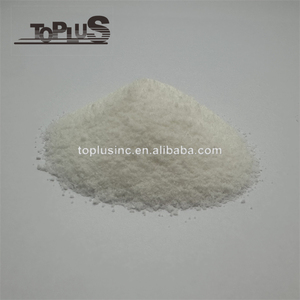
Our manufacturing facilities implement strict cleanroom synthesis protocols, converting sorbic acid and high-purity potassium hydroxide into spherical or columnar granules with uniform particle distribution (12–40 mesh). This structural density prevents compaction under multi-tier pallet stacking in temperature-controlled warehouses in Dammam Port or Riyadh Logistics Hubs, ensuring full compliance with Saudi Food and Drug Authority (SFDA) parameters.
Potassium Sorbate (C6H7KO2) exerts its antimicrobial effect primarily through its dissociated free sorbic acid form. When introduced into aqueous systems with an acidic to neutral pH (optimal pH range 3.0 to 6.5), sorbic acid permeates the microbial cell membrane. Once inside the neutral intracellular cytoplasm, the acid ionizes, altering internal pH, disrupting essential metabolic enzymes (such as dehydrogenase systems), and uncoupling oxidative phosphorylation.
| Chemical & Physical Parameter | Granular Specification Standard | Analytical Method (FCC / E202) |
|---|---|---|
| Assay (C6H7KO2 Dry Basis) | 99.0% – 101.0% | Potentiometric Titration |
| Physical Appearance | White to Off-White Spherical/Columnar Granules | Visual Inspection |
| Loss on Drying (Moisture) | ≤ 1.0% | 105°C Gravimetric Oven Method |
| Bulk Density | 650 g/L – 780 g/L | Tapped Bulk Density Tester |
| Solubility in Water (20°C) | ~67.6 g / 100 mL (Rapid Dissolution) | Gravimetric Dissolution Test |
| Free Alkalinity (as K2CO3) | ≤ 1.0% | Acid-Base Titration |
| Heavy Metals (as Lead, Pb) | ≤ 2.0 mg/kg | ICP-MS Spectrometry |
| Arsenic (As) Content | ≤ 3.0 mg/kg | Atomic Absorption Spectrometry |
| Halal & Kosher Status | 100% Certified, Ethanol-Free Synthesis | Third-Party Certified (SFDA Center) |
Compared to Sodium Benzoate, Potassium Sorbate exhibits a broader anti-fungal spectrum while delivering a cleaner sensory profile that does not impart the harsh, burning post-taste often associated with benzoate salts. Furthermore, sorbates do not pose carcinogenic risk when used in combination with ascorbic acid (Vitamin C), unlike sodium benzoate which can form trace benzene under oxidative heat stress—a vital consideration for high-temperature shelf stability testing required by the SFDA.
Formulating with Potassium Sorbate Granular requires precise understanding of regional matrix demands. Below are the primary application protocols optimized for industrial facilities operating in Saudi Arabia:
Saudi Arabia is one of the world's largest producers of premium dates (Sukkari, Ajwa, Khalas). During date paste production and concentrated date syrup (Dibs) processing, osmophilic yeasts such as Zygosaccharomyces rouxii threaten product stability. Dosing Granular Potassium Sorbate at 0.05% – 0.10% total batch weight inhibits secondary fermentation without altering Brix or natural caramel flavor notes.
In fresh Laban, processed cheese spreads, and brine-ripened white cheeses (Akawi, Halloumi), mold spores flourish at retail interface points if cold-chain integrity fluctuates. Granular sorbate, integrated into the milk salt-phase or applied via direct surface brine treatment (0.07% – 0.12%), effectively extends chilled shelf life to meet standard GSO requirements.
Commercial pita, Khubz, and packaged sliced breads face rapid moisture condensation inside plastic packaging during transport under Gulf heat. Adding 0.10% – 0.15% granular potassium sorbate directly to the dough batch prevents surface mold bloom (*Aspergillus* and *Penicillium* species) for up to 14 days post-baking.
High-temperature hot-fill and cold-aseptic bottling lines for reconstituted fruit juices rely on low-dose potassium sorbate (0.02% – 0.05%) in combination with citric acid. Granular form ensures rapid tank dissolution in cold liquid mixes without introducing air bubbles or insoluble dust particulates.
Emulsified poultry sausages, beef franks, and marinated kabab products utilize potassium sorbate surface sprays to control *Listeria monocytogenes* and spoilage lactobacilli during storage, ensuring full compliance with GSO meat hygiene standardizations.
High-fat mayonnaise, garlic sauces (Toum), fruit pastes, and bakery fillings maintain emulsion clarity and micro-stability without rancidity or phase separation under controlled sorbate dosing.
Importing raw materials into Saudi Arabia requires adherence to stringent regulatory frameworks managed by the Saudi Food and Drug Authority (SFDA). Under Gulf Standardization Organization rule **GSO 2500** ("Additives Permitted for Use in Foodstuffs"), food additives must be fully traceable, non-GMO, and accompanied by accredited batch Certificates of Analysis (CoA).
Key SFDA & Halal Compliance Highlights for Our Factory Supply:
Managing multiple overseas vendor channels for individual food additives creates operational friction, administrative overhead, and inventory risks. Leveraging decades of global distribution infrastructure, our supply model mirrors the high-efficiency framework of industry leaders like Essex Food Ingredients, providing unified, reliable sourcing across over 3,000 functional raw materials.
Our dedicated R&D technical support team works alongside your plant's Quality Control (QC) personnel to assist with reformulations, bench-top trials, scale-up optimizations, and ingredient substitution strategies. By maintaining localized strategic buffer stock and offering flexible LCL/FCL ocean freight options, we eliminate supply chain bottlenecks, ensuring your processing plant never faces expensive downtime.