Explore our top-tier functional ingredients custom-manufactured for food processing, bakery, beverage, and savory applications across Japan.



An authoritative technical analysis of phosphate salt functionality, pH buffering, ionic strength, and moisture retention mechanisms within strict Japanese quality control frameworks.
In the highly sophisticated Japanese food processing industry, specialty food grade phosphates represent the foundation of texture engineering, shelf-life extension, and protein stabilization. Japanese food manufacturers operating under the watchful eye of the Ministry of Health, Labour and Welfare (MHLW) demand ingredient purity standards that far exceed standard Codex Alimentarius guidelines. As leading global phosphate manufacturers and factories, we provide tailored orthophosphate and polyphosphate formulations engineered to meet Japan’s rigorous sensory and chemical criteria.
Phosphate salts—ranging from single orthophosphates like Monosodium Phosphate (MSP) and Disodium Phosphate (DSP) to complex condensed polyphosphates like Sodium Tripolyphosphate (STPP) and Sodium Acid Pyrophosphate (SAPP)—perform distinct biochemical roles. They regulate ionic strength, chelate divalent metal ions (Ca²⁺ and Mg²⁺), shift protein iso-electric points, and optimize water binding capacity (WBC) in myofibrillar and plant-based protein networks.
| Phosphate Type | Chemical Formula | Primary Functionality | Target Application in Japan | MHLW Positive List Status |
|---|---|---|---|---|
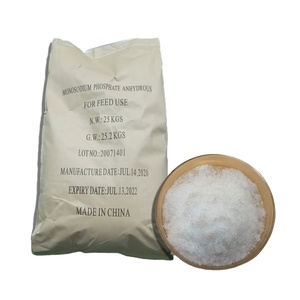
| Monosodium Phosphate (MSP Anhydrous) | NaH₂PO₄ | Acidic Buffer, pH Adjustment, Anti-caking | Powdered Beverages, Dairy, Baking Powders | Approved Food Additive |
| Disodium Phosphate (DSP Anhydrous/Dihydrate) | Na₂HPO₄ | Alkaline Buffer, Protein Emulsification, Sequestration | Processed Cheese, Retort Soup Bases, Milk Powders | Approved Food Additive |
| Sodium Tripolyphosphate (STPP) | Na₅P₃O₁₀ | Moisture Retention, Protein Extraction, Color Stability | Surimi (Kamaboko), Seafood Glazing, Processed Meats | Approved Food Additive |
| Sodium Acid Pyrophosphate (SAPP) | Na₂H₂P₂O₇ | Controlled Leavening, Discoloration Prevention | Tempura Batter Mixtures, Frozen Pastries, Potato Processing | Approved Food Additive |
| Tetrasodium Pyrophosphate (TSPP) | Na₄P₂O₇ | Gelation Acceleration, Pyrophosphate-Protein Crosslinking | Sausage Emulsions, Instant Puddings, Noodle Texture | Approved Food Additive |
The biochemical efficiency of phosphates relies on their ability to dissociate actin-myosin complexes in meat and seafood matrices. In Japanese surimi manufacturing, for instance, adding targeted ratios of STPP and TSPP solubilizes myosin, allowing the formation of a dense, elastic heat-induced gel network. This gel structure creates the prized traditional Japanese mouthfeel known as Ashi. Without ultra-pure, tight-granulation phosphates, achieving this delicate textural balance under cold-chain conditions is virtually impossible.
From Hokkaido seafood processors to Kansai noodle factories, our specialty phosphates resolve unique manufacturing challenges across Japan's regional supply chains.
Seafood processing plants along the coasts of Yaizu, Hokkaido, and Sakaiminato require specialized phosphate blends that prevent protein denaturation during blast freezing (-40°C). Our low-heavy-metal STPP and Tetrasodium Pyrophosphate blends bind free water, eliminate thaw-drip loss, and retain structural moisture during high-pressure retorting. This guarantees maximum gel elasticity (Ashi) in Kamaboko fish cakes while maintaining compliance with Japan’s strict arsenic limit specifications.
In Japanese noodle factories, achieving the desired firmness (Koshi) and surface smooth gloss demands precise pH management. Our disodium phosphate and potassium polyphosphate blends interact synergistically with traditional Kansui (alkaline salts). They inhibit starch retrogradation, stabilize gluten structures, prevent noodle turbidity in boiling broths, and extend the refrigerated shelf-life of fresh packaged Ramen noodles sold in Japanese convenience store networks.
Japan’s massive 7-Eleven, Lawson, and FamilyMart supply networks rely heavily on ready-to-eat (RTE) bento boxes, fried chicken (Karaage), and deli salads. Phosphates act as crucial moisture barriers in cooked poultry and pork cuts, preventing fat oxidation, warmed-over flavor (WOF), and microwave dehydration. Sodium Acid Pyrophosphate (SAPP) integrated into tempura pre-dusts ensures long-lasting crunchiness even under heated display humidifiers.
Japanese dairy processors in Gunma and Hokkaido utilize our anhydrous Disodium Phosphate (DSP) and Sodium Hexametaphosphate (SHMP) as calcium sequestrants in processed cheese slices and RTD canned coffee beverages. By tying up free calcium ions, our phosphates prevent protein precipitation (feathering) during high-temperature short-time (HTST) pasteurization and thermal sterilization in vending machines.
Key shifts shaping ingredient purchasing decisions among Japanese procurement managers and food tech R&D teams in 2025 and beyond.
With Japan’s Ministry of Health advocating for reduced daily sodium intake (targeting under 7g per day for adults), Japanese food formulators are actively replacing traditional sodium phosphates with Monopotassium Phosphate (MKP) and Dipotassium Phosphate (DKP). Factory suppliers offering low-sodium polyphosphate blends gain a substantial competitive edge in health-oriented retail segments.
Japan's transition to a comprehensive Positive List System for food additives demands 100% full-chain traceability from raw material mining to final chemical synthesis. Foreign suppliers must provide verified certificates of analysis (COA) specifying exact trace heavy metals (Lead < 2ppm, Arsenic < 1ppm, Cadmium < 0.1ppm), micro-granulation sizes, and non-GMO declaration dossiers.
While phosphates remain indispensable for industrial yields, Japanese consumers increasingly favor clean-label messaging on packaging. R&D directors are utilizing highly effective micro-blended phosphates combined with native hydrocolloids, enzymes (like Neutral Protease), and natural functional starches to reduce overall phosphate inclusion rates while maintaining texture integrity.
Streamlining international ingredient sourcing through order consolidation, low minimum order quantities, and enterprise supply chain reliability.
Managing multiple foreign ingredient vendors creates immense administrative overhead. Mirroring the proven Essex Food Ingredients consolidation model, we allow Japanese buyers to bundle specialty phosphates, natural dyes, hydrocolloids (Guar Gum), and enzymes into a single ocean container under one unified Purchase Order.
High minimum order quantities tie up working capital and risk product expiration. We offer flexible MOQ structures for specialized phosphate grades, stocking bulk inventory in regional logistics centers to support rapid maritime shipping directly to Japanese ports including Tokyo, Yokohama, Kobe, and Osaka.
Our dedicated application technologists work directly with Japanese food scientists to match exact chemical specifications—adjusting mesh size, bulk density, dissolution rate, and P₂O₅ concentration to seamlessly fit automated Japanese manufacturing lines.
Addressing key legal, logistical, and technical inquiries from Japanese food manufacturers and import agents.
Request technical specifications, sample kits, or customized price quotes for your food processing operations in Japan today. Our technical sales teams are ready to assist with your formulation needs.
