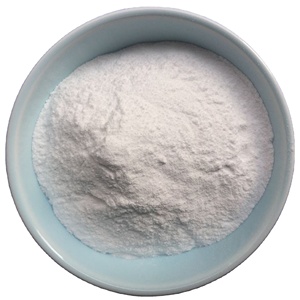
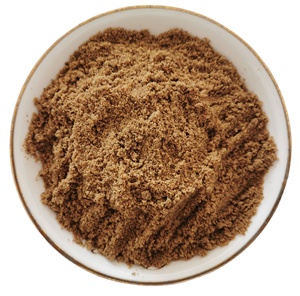
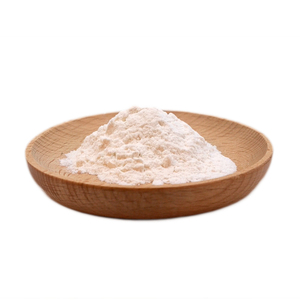
Explore our top-tier export items supplied directly from verified tier-1 manufacturing hubs in China to the Polish and Central European markets.
Industry White Paper: Citric Acid Anhydrous (E330) Sourcing in Poland
An authoritative breakdown for R&D specialists, QA directors, and procurement managers in the Polish food processing, beverage, pharmaceutical, and chemical synthesis sectors.
Information Gain Insight: Citric Acid Anhydrous ($C_6H_8O_7$, CAS: 77-92-9) is an indispensable acidulant and organic chelating agent. In the Polish market, demand has surged due to Poland’s position as Eastern Europe's largest food manufacturing center (processing over 30% of Central Europe’s soft drinks, dairy products, and processed meats). Sourcing direct from China’s Shandong and Jiangsu manufacturing clusters allows Polish enterprises to optimize raw material landed costs by 18-27% compared to regional spot trading distributors.
1. Technical Specification & Standards Benchmark
When importing Citric Acid Anhydrous from Chinese factories into Poland, strict compliance with European Union food additive regulation EU No 231/2012 and the European Pharmacopoeia (Ph. Eur.) is non-negotiable. Chinese top-tier suppliers produce water-free citric acid through submerged fermentation of corn stover or tapioca starch using non-GMO Aspergillus niger strains.
| Parameter Standard |
Citric Acid Anhydrous (E330) Spec |
Citric Acid Monohydrate Spec |
Polish Market Application Target |
| CAS Registry Number |
77-92-9 |
5949-29-1 |
Universal / Food & Technical |
| Assay (Purity) |
99.5% – 100.5% (Dry Basis) |
99.5% – 100.5% |
Pharma, Beverage, Confectionery |
| Water / Moisture Content |
≤ 0.50% Max (Karl Fischer) |
7.5% – 8.8% |
Dry Blends, Effervescent Tablets |
| Mesh Sizes Available |
12-40 mesh, 30-100 mesh, fine powder |
8-40 mesh |
Customized Dissolution Rates |
| Heavy Metals (as Pb) |
≤ 5 ppm / Lead ≤ 0.5 ppm |
≤ 5 ppm |
EU Regulation Compliance |
| Sulfated Ash |
≤ 0.05% |
≤ 0.05% |
High Purity Detergents & Tech Grade |
2. Localized Application Scenarios in Poland
Poland's manufacturing ecosystem exhibits localized functional demands for anhydrous citric acid across several core economic sectors:
Beverage & Craft Cider Hubs
In regions like Mazowieckie and Lubelskie, beverage manufacturers utilize 30-100 mesh Citric Acid Anhydrous for precise pH adjustment in carbonated soft drinks, RTD teas, and traditional Polish craft ciders. Anhydrous grade prevents moisture aggregation during dry premix dosing.
Dairy & Twaróg Cheese Production
Poland’s renowned dairy sector relies on food-grade E330 as a coagulant and acidification catalyst during the pasteurization of traditional cottage cheeses (Twaróg) and processed cheese spreads, ensuring consistent curd yield and microbiological stability.
Confectionery & Functional Gummies
Working in tandem with hydrocolloids such as Kappa Food Grade Carrageenan (200 Mesh) and gelatin, anhydrous citric acid imparts sharpness to fruit flavor profiles while regulating pectin gelation temperatures in Polish confectionery factories.
3. Poland Market Development Trends (2025–2030)
As Polish food exporters increase market share within the EU single market, procurement strategies are shifting rapidly. Three macro trends dictate raw material sourcing:
- Clean Label & Non-GMO Demands: European buyers mandate full traceability from feedstock to final crystal. Leading Chinese factories provide complete corn supply chain audits, Kosher, Halal, BRCGS, and ISO22000 validations.
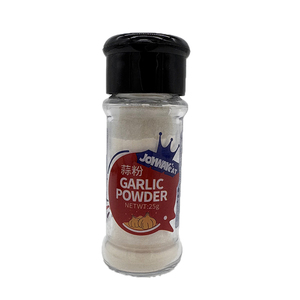
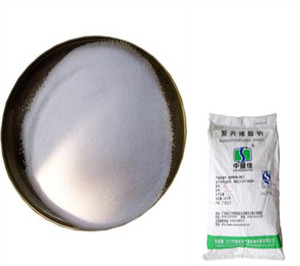
- Transition to Consolidated Purchasing: Rather than issuing dozens of separate purchase orders for micro-ingredients, Polish procurement teams prefer single-shipment order consolidation—combining Citric Acid Anhydrous with complementary additives like Dehydrated Garlic Powder, Beta Cyclodextrin, and Food Grade Phosphates.
- Supply Chain Resilience via Direct Factory Agreements: To hedge against freight rate spikes on Asian-European shipping routes, Polish importers are locking in annual volume contracts with top Chinese producers, utilizing bonded warehouses near Gdańsk and Malaszewicze rail terminals.
4. Corporate Supply Chain Advantages & Quality Assurance
Aligning with our unified sourcing network gives Polish enterprise clients clear competitive advantages, drawing on deep industry experience and strict E-E-A-T operational protocols:
Order Consolidation & Lower MOQs
We eliminate working capital bloat by consolidating 3,000+ available food ingredients into single container shipments. Receive exact formulation quantities without reaching rigid manufacturer-direct minimums.
Rigorous Batch-to-Batch Quality Control
Every export lot of Citric Acid Anhydrous undergoes HPLC assay checking, heavy metal analysis, and mesh screening before shipment. Full Certificate of Analysis (COA) and safety data sheets (MSDS) are provided per shipment.
Technical & Formulative Assistance
Our specialized food technologist team assists Polish R&D departments in optimizing buffer capacity, shelf-life performance, and ingredient substitution without compromising taste or texture.
Frequently Asked Questions by Polish Procurement & R&D Teams
Clear, direct answers regarding customs, quality compliance, logistics, and order parameters for Polish buyers importing from China.
Why choose Citric Acid Anhydrous over Citric Acid Monohydrate for dry formulation?
Citric Acid Anhydrous contains no water of crystallization (≤0.5% moisture), whereas Monohydrate contains 7.5%–8.8% bound water. In dry powder mixes, effervescent products, and moisture-sensitive packaging, using Anhydrous prevents clumping, premature acid-base reactions, and extends overall product shelf-life.
What are the REACH compliance requirements for importing into Poland?
All chemical substances imported into the European Union in quantities over 1 metric ton per year must be registered under EU REACH regulations. Our Chinese manufacturing partners hold full EU REACH registrations for Citric Acid Anhydrous, allowing seamless customs clearance at Polish ports such as Gdańsk and Gdynia, or border checkpoints like Małaszewicze.
What mesh sizes are recommended for Polish food and industrial applications?
We provide custom mesh cuts tailored to application needs:
- 12-40 Mesh (Coarse Granular): Ideal for dry beverage mixes, tableting, and detergent formulations where free-flowing properties are essential.
- 30-100 Mesh (Fine Granular): The standard choice for food processing, bakery, beverage dissolution, and confectionery.
- Fine Powder (>100 Mesh): Used in specialized dry seasonings, snack coatings, and pharmaceutical powders requiring rapid dispersion.
How does order consolidation benefit Polish food manufacturers?
Order consolidation allows you to combine high-volume raw materials like Citric Acid Anhydrous with specialty ingredients (e.g., Carrageenan, Beta Cyclodextrin, Dehydrated Garlic Powder, or Phosphate Blends) into a single container load. This drastically reduces ocean freight expenses, customs clearance fees, receiving dock labor, and working capital tied up in inventory.
What lead times can Polish buyers expect from top Chinese factories?
Standard production and loading times at Chinese factory gates take 7–10 days. Ocean transit from Qingdao/Tianjin port to Gdańsk takes approximately 30–38 days via direct shipping lines. Rail freight via the Silk Road connection to Małaszewicze offers a faster 14–18 day door-to-door transit option for urgent factory production schedules.
What packaging formats are supplied to European clients?
Standard packaging includes 25 kg multi-wall kraft paper bags with inner PE moisture-barrier liners, shrink-wrapped on ISPM-15 compliant heat-treated wooden or plastic pallets (1000 kg / 1200 kg per pallet). 500 kg and 1000 kg PP Jumbo bags (FIBC) are also available for automated bulk handling systems.