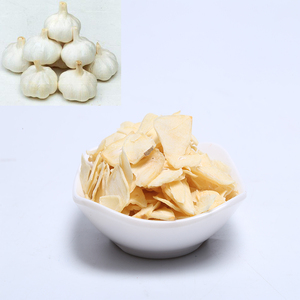
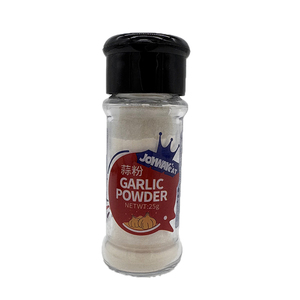
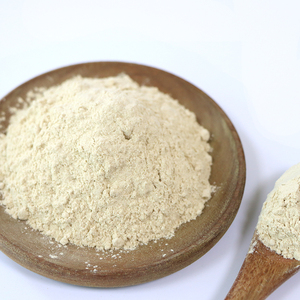
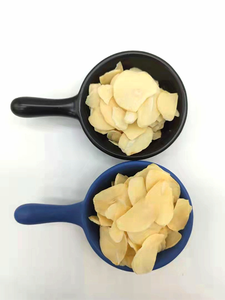
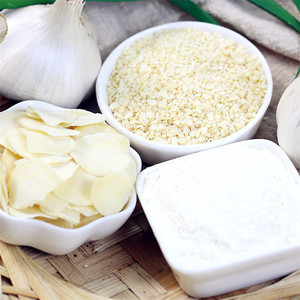
Direct factory-grade garlic derivatives engineered for high-volume food manufacturers in Ho Chi Minh City, Hanoi, Bình Dương, and Đồng Nai.
An in-depth analysis of supply chain optimization, micro-encapsulation stability, allicin preservation, and regional compliance under the ASEAN-China Free Trade Agreement (ACFTA).
Vietnam’s food processing industry is undergoing an unprecedented expansion driven by domestic urbanization, robust consumer demand for convenience foods, and accelerating exports of processed agricultural goods. From instant noodle seasoning packets (Gói Gia Vị Mì Ăn Liền) to traditional cured meat processing (Chả Lụa, Nem Chua) and commercial sauce production (Nước Chấm, Tương Ớt), dehydrated garlic powder serves as a fundamental aromatic anchor. However, industrial procurement teams in Vietnam face persistent challenges: seasonal volatility in fresh garlic prices, high storage degradation of fresh cloves, inconsistent allicin levels, and strict microbiological requirements from international co-packing clients.
As the world’s premier dehydrated garlic production superpower, China—specifically the core agricultural zones of Jinxiang (Shandong) and Qi County (Henan)—supplies over 85% of global dehydrated garlic demand. For Vietnamese food manufacturers, sourcing directly from audited Chinese manufacturers provides a decisive advantage in cost structure, technical standardization, and raw material availability. This technical guide outlines the physical, chemical, and logistical considerations required to establish a resilient garlic powder supply chain between China and Vietnam.
| Quality Parameter | Premium Industry Standard (Grade A) | Commercial Standard (Grade B) | Analytical Test Method |
|---|---|---|---|
| Appearance | Creamy yellow to light amber uniform powder | Natural light yellow to yellow powder | Visual / Colorimeter |
| Mesh Size Options | 100-120 mesh (Fine), 40-80 mesh (Granules) | 8-16 mesh, 16-26 mesh, 26-40 mesh | U.S. Standard Sieve |
| Moisture Content | ≤ 5.8% max | ≤ 6.5% max | Vacuum Oven (105°C, 4 hrs) |
| Allicin Potential | ≥ 0.35% (3500 ppm) | ≥ 0.20% (2000 ppm) | HPLC Analysis |
| Sulfur Dioxide (SO2) | Low SO2 (< 30 ppm) / SO2 Free Options | < 50 ppm standard export grade | Monier-Williams Method |
| Total Ash / Acid Insoluble | ≤ 4.5% / Acid Insoluble ≤ 0.4% | ≤ 5.5% / Acid Insoluble ≤ 0.6% | Muffle Furnace (550°C) |
| Total Plate Count (TPC) | < 100,000 cfu/g (Low Bioburden < 10,000) | < 300,000 cfu/g | ISO 4833-1 |
| Pathogens (Salmonella / E.coli) | Absent in 25g / Negative in 1g | Absent in 25g / Negative in 1g | ISO 6579 / ISO 16649 |
Engineered formulations tailored to regional taste profiles, climatic humidities, and manufacturing protocols across Vietnamese food plants.
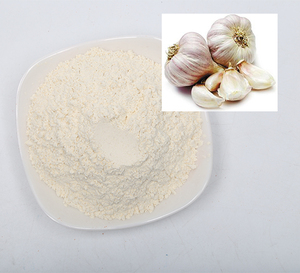
Vietnamese instant noodles require rapid flavor release in hot water. Our 100-mesh fine garlic powder provides immediate dispersibility in soup bases and sa tế oil blends without settling at the bottom of bowls.
Request Formula SpecIn traditional Vietnamese sausage and fermented pork production, raw garlic can cause discoloration and uncontrolled bacterial action. Our steam-sterilized 40-80 mesh garlic granules deliver clean, predictable antimicrobial punch without off-flavors.
Request Formula SpecIn high-viscosity chili sauces, sweet garlic dipping sauces (Nước Chấm), and commercial fish sauce marinades, moisture control is crucial. Our low-moisture garlic powder prevents clumping, preserving shear viscosity in automated lines.
Request Formula SpecElectrostatic dusting on puffed snacks and garlic peanuts requires uniform particle size distribution. Our 26-40 mesh granules adhere tightly to lipid coatings, preventing seasoning fallout in retail packaging.
Request Formula SpecSeafood exporters in Cần Thơ and Cà Mau utilize specialized low-microbe garlic powder in fish ball and shrimp marinade mixes to neutralize trimethylamine (fishy odor) while complying with EU/US export micro-limits.
Request Formula Spec
Replacing raw garlic bulbs with standardized Air-Dried (AD) dehydrated garlic powder enables food processors to eliminate labor-intensive peeling, eliminate bio-waste disposal, and achieve consistent pungency year-round regardless of raw crop seasonality.
Our manufacturing complex in Shandong, China utilizes end-to-end automated dehydration processing designed to protect natural organoleptic qualities while enforcing strict food safety protocols. The process begins with raw garlic selection from contract farming bases, where pesticide residues are screened prior to harvest.
1. Washing and Slicing: Selected garlic bulbs undergo multi-stage hydraulic washing to remove soil and foreign organic material. Cloves are mechanically separated, peeled, and sliced into precise 1.5mm–2.0mm slices using stainless steel rotary cutters.
2. Air Dehydration (AD Process): Garlic slices pass through multi-zone continuous tunnel dryers. Temperature ramps are carefully calibrated between 55°C and 75°C to preserve heat-sensitive enzymes—specifically alliinase—which is required to synthesize allicin upon hydration in food formulations.
3. Optical Sorting & Metal Detection: Dried garlic flakes pass through high-resolution Buhler optical color sorters to eliminate skin fragments, discolored flakes, and foreign debris. Quadruple-stage neodymium magnetic separators and X-ray inspection systems ensure zero metallic or high-density contamination.
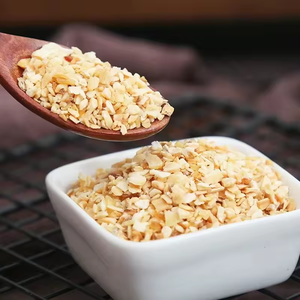
4. Milling, Sieving & Custom Blending: Flakes are milled in climate-controlled cleanrooms (Class 100,000 air filtration) to achieve specific granulometries, ranging from coarse granules (8-16 mesh) down to fine dusting powders (100-120 mesh). Vacuum sealing in aluminum foil bags or 25kg double-PE lined kraft cartons prevents ambient moisture re-absorption during sea transit to Vietnam.
Direct sea shipping routes from Qingdao / Lianyungang ports to Cát Lái (Ho Chi Minh City) take only 5 to 7 days transit time, while routes to Hải Phòng (Hanoi Gateway) take 3 to 5 days. We optimize container space to maximize payload efficiency:
12.0 - 14.0 Metric Tons (Cartons with Pallets)
16.0 Metric Tons (Floor Loaded Cartons)
24.0 - 26.0 Metric Tons (Palletized Bulk Cartons)
27.0 Metric Tons (Max Cargo Weight Limit)
25kg Kraft Cartons, 20kg Foil Bags, 50lb Fiber Drums, or 1000kg Super Sacks for Automated Silos.
Detailed solutions to common compliance, technical, and customs queries encountered by importers in Vietnam.
Direct factory pricing, strict microbiological guarantees, 0% tariff clearance support, and dedicated technical assistance for your product R&D team in Vietnam.